Comparative Experiment Conducted by Sending Contaminated Water Samples to Korea, the US, etc.
Report States "Tokyo Electric Power Company Demonstrates High Level of Technical Competence"
The International Atomic Energy Agency (IAEA), which is conducting the final safety verification ahead of the discharge of contaminated water from Japan's Fukushima Daiichi Nuclear Power Plant, has released an interim report stating that Japan's methods for measuring and analyzing radioactive substances in the contaminated water are appropriate. No additional radioactive nuclides of concern were detected, and the IAEA expressed trust in Tokyo Electric Power Company's (TEPCO) detection and analysis capabilities. The IAEA plans to issue a final report later this month, and based on the current atmosphere, it is expected that there will be no strong opposition to the discharge of the contaminated water.
According to NHK on the 1st, the IAEA released an interim report comparing TEPCO's analysis results of samples taken from contaminated water tanks treated by the Advanced Liquid Processing System (ALPS) with analyses conducted by overseas research institutions.
In the report, the IAEA stated that the contaminated water samples treated by ALPS were collected in March last year and analyzed separately in overseas laboratories in countries including South Korea, the United States, France, and Switzerland. When these results were compared with TEPCO's analysis, the IAEA judged TEPCO's measurement precision to be high, and the sample collection order and analysis methods to be appropriate.
The report evaluated, "TEPCO demonstrated a high level of measurement accuracy and technical capability," and "the analysis methods for various nuclides were appropriate and met the objectives." It also stated, "Neither the IAEA nor the participating third-party laboratories detected any additional significant radioactive nuclides."
Gustavo Caruso, Coordinator of the IAEA's Nuclear Safety and Security Department, said, "This report and the analysis results contained herein represent an important milestone in the IAEA's safety review," emphasizing, "These data demonstrate TEPCO's analytical performance through a transparent and rigorous scientific process."
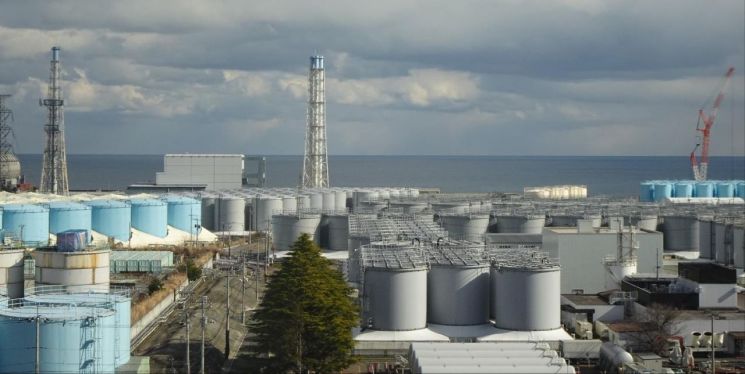
The Japanese government is storing contaminated water generated from the 2011 Fukushima nuclear accident in about 1,000 tanks. According to TEPCO, most radioactive nuclides except tritium have been removed through processes such as ALPS.
The concentration of the remaining tritium is diluted to less than 1,500 becquerels (Bq) per liter (ℓ), which is 1/40th of Japan's regulatory standard, and the government plans to begin discharging it starting this year. The IAEA has formed a task force (TF) to verify this process.
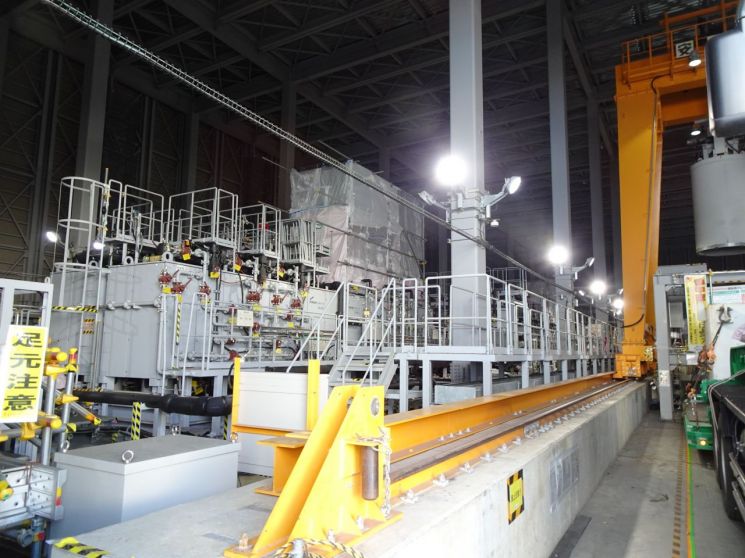
Previously, the IAEA released five reports related to the contaminated water. The IAEA will proceed with sample analysis to assess the impact on fish and seawater around the Fukushima Daiichi Nuclear Power Plant and will evaluate monitoring capabilities related to internal and external radiation exposure assessments of workers at the plant.
Meanwhile, the IAEA investigation team began its final inspection by visiting the Fukushima Daiichi Nuclear Power Plant on the 29th of last month. They plan to release the final report around next month, before Japan begins discharging the contaminated water. If the IAEA concludes in the report that there are no issues with the discharge, Japan is expected to start the discharge based on this.
© The Asia Business Daily(www.asiae.co.kr). All rights reserved.


















