Ueda Recognizes YCC Side Effects
Gradual Preparation of Policy Revision Grounds Expected
Significant Monetary Policy Changes Possible in Second Half of Year
The Bank of Japan (BOJ), which has been maintaining a large-scale monetary easing policy, is expected to significantly revise its monetary policy in the second half of next year.
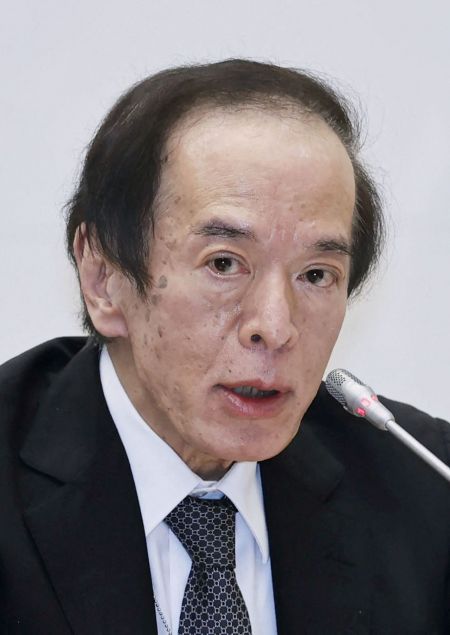
On the 30th, Bloomberg News cited a report by Taro Kimura, a Bloomberg Economics analyst, stating that BOJ Governor Kazuo Ueda is aware of the market side effects caused by the Yield Curve Control (YCC) policy. The YCC policy refers to the central bank's unlimited purchase of government bonds to keep long-term interest rates at a certain level. Currently, the BOJ is adjusting long-term interest rates to move within ±0.5%.
According to the report, Governor Ueda recognizes issues such as massive government bond purchases due to the YCC policy, price distortions, and the depreciation of the yen in the foreign exchange market.
However, the report noted Ueda’s past decisions regarding interest rate hikes and predicted that he is unlikely to revise the monetary easing policy in the short term. As a former BOJ policy board member, Ueda voted against lifting the zero interest rate at the 2000 monetary policy meeting. The report forecasts that based on that experience, he will gradually prepare grounds for policy revision by the second half of next year rather than changing monetary policy abruptly.
Furthermore, analyst Kimura stated that if Governor Ueda revises the monetary policy, scenarios such as raising the allowable fluctuation range of long-term interest rates or changing the benchmark for long-term interest rates from 10-year government bonds to 5-year government bonds are expected. Currently, Japan uses the 10-year government bond yield as the benchmark for long-term interest rates.
The market expects the timing of the monetary policy change to be in the second half of next year. According to a Bloomberg survey of economists, two-thirds of experts predict that the BOJ will strengthen its monetary easing policy until July. Previously, the market expected the BOJ to revise its monetary easing policy at the monetary policy meeting scheduled for the 15th of next month. However, after Governor Ueda repeatedly stated his intention to continue easing, the outlook appears to have been revised.
Meanwhile, the yen's value against the dollar turned stronger in December last year when the BOJ raised the allowable fluctuation range of long-term interest rates, settling in the 120-yen range for the first time in six months in January this year. Since then, the yen exchange rate has fluctuated slightly, staying in the 130-yen range, but after Governor Ueda’s repeated remarks on continuing easing, it surpassed the 140-yen range on the 26th. As of the 30th, the dollar-yen rate in the Tokyo foreign exchange market stood at 140.15 yen.
© The Asia Business Daily(www.asiae.co.kr). All rights reserved.

















