Erdogan Secures Re-election
Lira Falls to Historic Low
Concerns Over Foreign Exchange Crisis and Default Amid Sharp Decline in Reserves
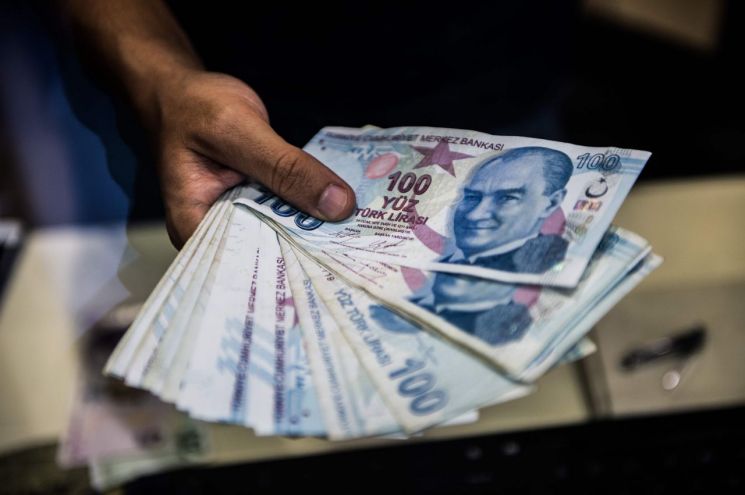
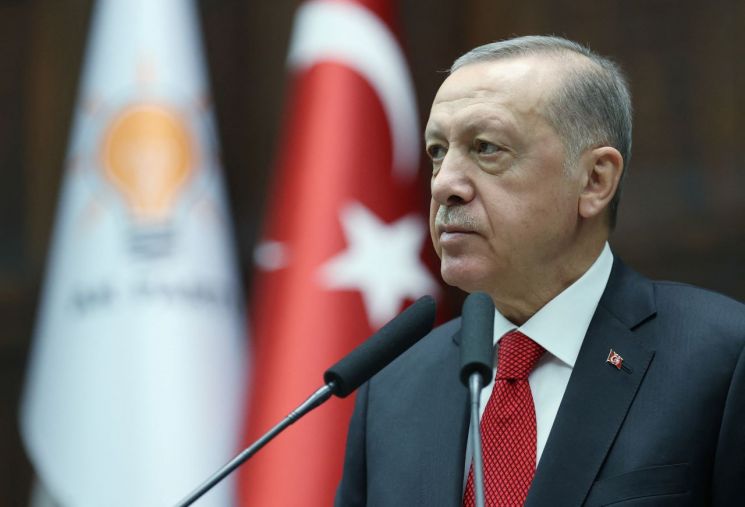
The value of the Turkish lira has fallen to an all-time low following the re-election of President Recep Tayyip Erdo?an, who is often referred to as the 'Sultan of the 21st century.' Warnings of a currency crisis-level aftershock and growing concerns about a sovereign default are emerging. Despite winning by promoting populism and expansionism amid economic collapse, if President Erdo?an does not amend his unorthodox economic policies, the Turkish economy is expected to continue on a path of decline.
On the 29th (local time), the lira traded at 20.1050 per US dollar, surpassing the previous record low of 20.06 set on the 26th.
The prospect of further deterioration in Turkey's economic situation following Erdo?an's return to power has led to continued selling pressure on the lira. Erdo?an has driven the economy to the brink of collapse through unconventional economic policies, including low interest rates and interference with the central bank. Inflation reached 85% as of last October. However, after Erdo?an announced his intention to maintain the low interest rate policy following his re-election, the lira weakened further. The lira has already depreciated over 7% against the dollar since the beginning of the year and more than 90% over the past decade, with a high likelihood of further declines. Morgan Stanley, a US investment bank, forecasts that the lira could plunge to 28 per dollar by the end of the year.
The selling of the lira is analyzed to be led by Turkish investors. Mark Chandler, Chief Market Strategist at Vanocburn Global Forex, stated, "The pressure to sell the lira is not triggered by foreign asset managers," adding, "There is more domestic capital trying to leave Turkey than foreigners." In the stock market, the proportion of foreign investors has already dropped from 65% in 2020 to 28.7% currently, with many foreigners having exited the Turkish market.
Minna Kuusisto, Chief Analyst at Danske Bank, a Danish commercial bank, warned, "Without a U-turn in economic policy, there is a risk of a severe currency crisis."
Turkey's foreign exchange reserves currently total approximately $101 billion, including foreign currency and gold. However, net foreign exchange reserves, excluding debt, are estimated to be at 'zero dollars,' and when excluding hundreds of billions borrowed from local banks, the figure is negative, according to JP Morgan's estimates. Clemens Graepf, an economist at Goldman Sachs, explained, "Turkey's current foreign exchange reserves are close to the levels seen during previous periods of sharp lira volatility."
The sharp decline in foreign exchange reserves has also heightened concerns about sovereign default. Turkey's 5-year credit default swap (CDS) premium rose to 697.10 basis points, up from 673.03 basis points the previous trading day. Compared to 531.18 at the beginning of this month, it has surged by 165.92 basis points in less than a month.
On the same day, Turkey's stock market 'BIST-100 Index' rose 4.1% compared to the previous trading day as election uncertainties were resolved. However, experts believe this rally is likely to be short-lived. Instead, the continued decline in the lira's value and the selling of Turkish government bonds are expected to severely impact government finances.
Jeff Grills, Head of Emerging Market Bonds at Aegon Asset Management, analyzed, "The election results suggest that the policy stance of Erdo?an, which has led to a decline in national fundamentals, will be maintained," adding, "Pressure from lira depreciation and low foreign exchange reserves is increasing concerns among bond investors."
© The Asia Business Daily(www.asiae.co.kr). All rights reserved.


















