40s Only Increased by 43% in 10 Years
Assemblywoman Shin Hyun-young: "Medical Infrastructure and Support Are Important"
As the birth rate continues to decline, the number of deliveries by mothers in their 40s has increased.
According to the 'Delivery Status from 2013 to 2022' released on the 29th by Shin Hyun-young, a member of the National Assembly's Health and Welfare Committee from the Democratic Party of Korea, the total number of deliveries over the past decade sharply dropped from 424,717 to 244,580. The data was calculated based on delivery procedure codes from medical institutions, and multiple births such as twins were counted as a single case.
According to Statistics Korea, the total fertility rate, which is the expected number of children a woman of childbearing age will have in her lifetime, was 0.78 last year. This is the lowest ever recorded. With the total fertility rate for the first quarter of this year already hitting a record low of 0.81 for a first quarter, the annual total fertility rate is expected to fall even further compared to last year.
By age group, deliveries by women in their 40s increased by 43.3%, from 13,697 to 19,636 during the same period. The proportion of mothers in their 40s among all deliveries also rose by 4.8 percentage points, from 3.2% to 8.0%.
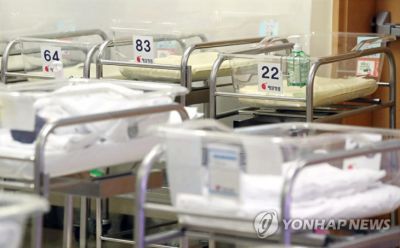
On the other hand, deliveries in other age groups showed a declining trend. Deliveries by women in their 30s decreased from 300,385 to 185,945. However, their share of total deliveries increased by 4.6 percentage points, from 71.4% to 76.0%.
Deliveries by women in their 20s sharply dropped by 63.5%, from 105,931 to 38,685. Their share of total deliveries also fell by 9.1 percentage points, from 24.9% to 15.8%. Representative Shin stated, “A comprehensive approach is needed to understand and support the younger generation in relation to the decline in childbirth.”
As the trend of advanced maternal age becomes more pronounced, experts point out the need for special attention to the health of both mothers and fetuses during pregnancy and childbirth. In fact, in February, academic research revealed that older pregnant women have a higher risk of developing venous thromboembolism, a condition where blood clots block part or all of the pulmonary artery, potentially causing shock and cardiac arrest. A joint research team led by Professor Bang Soo-mi of the Hematology and Oncology Department at Bundang Seoul National University Hospital and Professor Hwang Heon-gyu of the Respiratory Allergy Department at Soonchunhyang University Gumi Hospital reported in the international journal Thrombosis and Hemostasis that “an analysis of 510 cases of venous thromboembolism in pregnant women from 2014 to 2018 showed this correlation.”
Professor Bang emphasized, “Blood coagulation intensifies during pregnancy, making pregnancy itself a major cause of venous thrombosis. As the average age of childbirth rises and deliveries by older mothers increase, special caution regarding venous thrombosis during pregnancy and childbirth is necessary.” Representative Shin added, “In response to the trend of advanced maternal age, it is essential to firmly establish medical infrastructure and support, including obstetrics, pediatrics, and adolescent medicine, to maintain the health of mothers and fetuses.”
© The Asia Business Daily(www.asiae.co.kr). All rights reserved.
![User Who Sold Erroneously Deposited Bitcoins to Repay Debt and Fund Entertainment... What Did the Supreme Court Decide in 2021? [Legal Issue Check]](https://cwcontent.asiae.co.kr/asiaresize/183/2026020910431234020_1770601391.png)
















