Exchange Rate Surpasses 140.06 Yen Intraday
Impact of Widening US-Japan Interest Rate Gap
Ueda Emphasizes Continued Easing
Expectations for Monetary Policy Adjustment Dashed
The value of the yen against the dollar surpassed the 140-yen mark for the first time in six months since November last year, shifting to a weaker trend. This is analyzed to be due to the widening interest rate gap between the U.S. and Japan, combined with expectations that the Bank of Japan (BOJ) will continue its monetary easing policy, which has intensified yen selling.
According to Bloomberg on the 26th, the yen-dollar exchange rate in the Tokyo foreign exchange market temporarily reached 140.06 yen. The yen, which had risen to the 127-yen level per dollar in January, shifted to a weaker trend after February, fluctuating slightly around the 130-yen level.
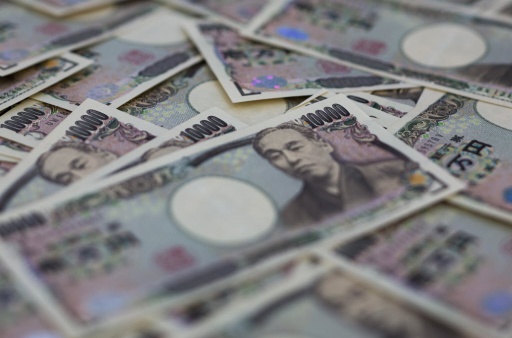
The Nihon Keizai Shimbun explained that the widening interest rate gap between the U.S. and Japan has strengthened the movement of selling yen and buying dollars, influencing the rise in the yen-dollar exchange rate. Currently, the U.S. benchmark interest rate is 5.00?5.25%, whereas Japan maintains a negative interest rate policy with a short-term rate of -0.1% and a 10-year government bond yield (long-term interest rate indicator) around ±0.5%.
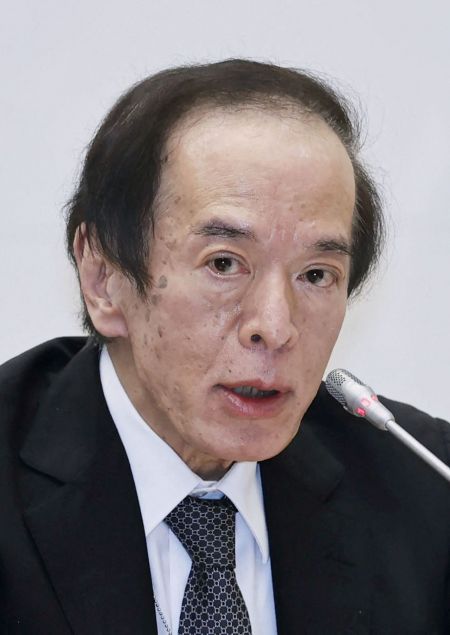
Furthermore, it is analyzed that the yen selling was further encouraged by BOJ Governor Kazuo Ueda’s statement the previous day expressing his intention to continue the monetary easing policy. In an interview with Nihon Keizai on the same day, Governor Ueda emphasized the necessity of the monetary easing policy, stating that Japan’s inflation will decline in the future.
He explained, "Currently, the price increase is a significant burden on all citizens," but added that the rise in prices is a temporary phenomenon due to energy price increases and will follow a downward trend again. Japan’s Consumer Price Index (CPI) peaked at 4.3% in January, then declined to 3.3% in February and 3.2% in March, before slightly rising to 3.5% in April. Although this exceeds the BOJ’s target of 2%, Governor Ueda believes that only a decline in inflation remains until the end of the year.
The Nihon Keizai stated, "As Governor Ueda continues to make positive remarks about the current monetary easing policy, investors have once again recognized the U.S.-Japan interest rate gap," and added, "Market expectations that the current governor would abolish the monetary easing policy soon after taking office have collapsed."
Meanwhile, the yen’s value against the dollar fell below the 150-yen level in October last year, reaching its lowest point in 32 years. Since then, due to government intervention in the foreign exchange market and BOJ’s monetary policy adjustments equivalent to interest rate hikes, the yen shifted to a stronger trend from the end of last year. In January, it even recorded the 120-yen level for the first time in six months.
© The Asia Business Daily(www.asiae.co.kr). All rights reserved.


















