Eastar Air suffers 43.9 billion won loss... Luxury shopping with company funds
Court: "Privatization of company by owner... Neglected responsibility and role as manager"
Former lawmaker Lee Sang-jik, who was indicted on charges of breach of trust and embezzlement related to Eastar Jet, has been sentenced to six years in prison.
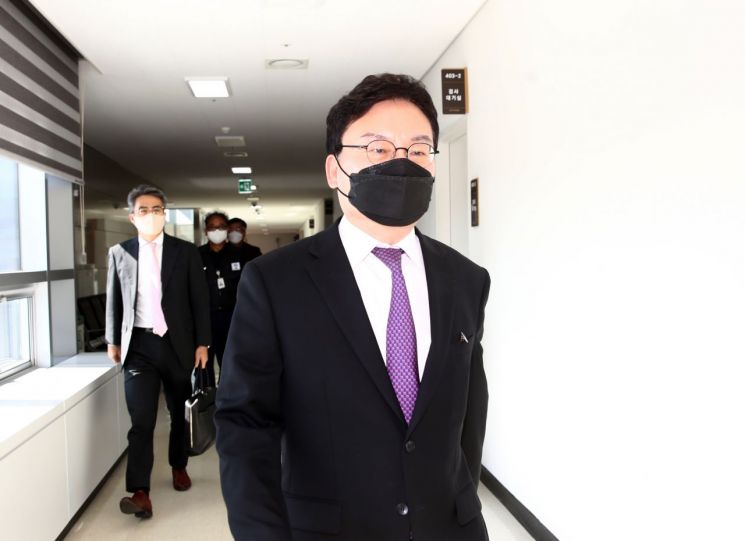
The Supreme Court's 2nd Division (Presiding Justice Cho Jae-yeon) on the 27th upheld the lower court's ruling sentencing Lee to six years in prison in the final appeal trial on charges of violating the Act on the Aggravated Punishment of Specific Economic Crimes.
Lee was indicted for selling 5,242,000 shares of Eastar Jet stock worth approximately 54.4 billion KRW at a low price of about 10.5 billion KRW to Eastar Holdings, owned by his children, from November to December 2015, causing a loss of 43.9 billion KRW to Eastar Jet.
He is also accused of embezzling 5.36 billion KRW from Eastar Jet and its affiliates, which he effectively owned from July 2013 to May 2019, and using the funds for his daughter's luxury car deposit, rental fees, insurance premiums, and overseas luxury shopping.
In addition, from April 2016 to June 2019, he is charged with arbitrarily adjusting the value of bonds held by Eastar Jet affiliates and causing a loss of 5.6 billion KRW to the affiliates by repaying debts early.
The first trial court sentenced him to six years in prison, pointing out, "As the head who effectively controlled Eastar Jet and its affiliates, he privatized the company but denied the crimes and shifted the responsibility to subordinate employees."
The second trial court also sentenced him to six years in prison, stating, "As the CEO of Eastar Jet, he abandoned basic responsibilities and roles and used his strong power within the group for personal gain, requiring severe punishment commensurate with his guilt," consistent with the first trial.
The Supreme Court also agreed with the lower courts' judgments. The court stated, "The lower courts did not err in their understanding of the intent of embezzlement, breach of trust, embezzlement in the course of business, and breach of trust in the course of business, nor in the principles of business judgment."
© The Asia Business Daily(www.asiae.co.kr). All rights reserved.

















