5 Countries Suspend Imports of Ukrainian Agricultural Products
EU Member States Condemn as "Selfish Measures"
Refuse to Accept Safeguard Measures
Recently, some Eastern European countries, including Poland, decided to halt imports of Ukrainian grain, prompting sharp criticism from European Union (EU) member states. As member countries oppose the EU's decision citing their own economic difficulties, concerns are rising about fractures within the Western alliance supporting Ukraine.
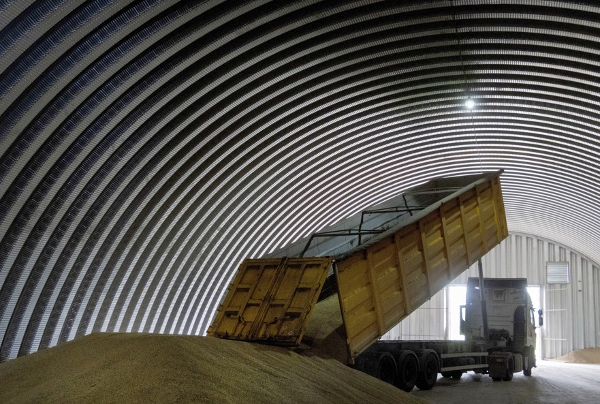
Major foreign media reported that on the 25th (local time), agriculture ministers from EU member states attending the EU Agriculture Council meeting in Luxembourg unleashed criticism against five Eastern European countries. The reason was that these countries unilaterally suspended imports of Ukrainian agricultural products, violating the EU's trade policies.
Miroslav Skibanek, Deputy Minister of Agriculture of Czechoslovakia, criticized Poland and Hungary, saying, "These countries have slammed the door on neighbors in distress. The Czech side believes such measures are not a good solution."
He went on to mention the accession of ten Eastern European countries, including Czechoslovakia, to the EU in 2004 after leaving the socialist system, explaining that at that time, existing EU members showed consideration to the new members. Minister Miroslav emphasized, "The old member states did not hesitate to allow us to enter their markets. Now, others (Ukraine) are knocking on our markets and need our help."
Mykola, Ukraine's Minister of Agriculture, also explained that the sharp drop in agricultural prices in Poland was not due to Ukraine but was caused by a bumper crop in Brazil. Hungary and Poland, unable to resolve the problem of excessive inflow of Ukrainian agricultural products, imposed import bans starting from the 16th. Slovakia and Bulgaria took similar measures, while Romania strengthened transportation supervision.
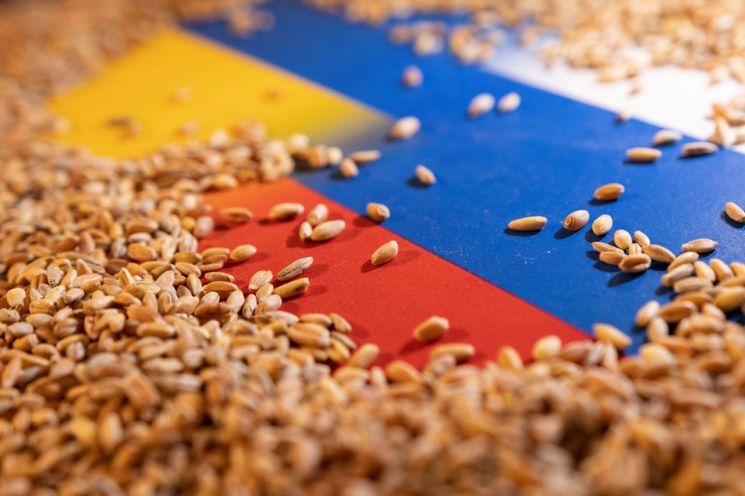
The large influx of Ukrainian agricultural products into Eastern European markets began last year when the EU exempted Ukrainian grain from tariffs. Additionally, the EU allowed grain rerouting exports through Eastern Europe to help Ukraine's economy recover from the war and to curb soaring global food prices.
Eastern European countries opposed these measures, arguing that the large volume of Ukrainian agricultural products flooding their domestic markets severely impacted their farmers. However, when the EU announced it would extend the tariff exemption, originally set to expire on June 30 this year, for another year, the five Eastern European countries responded by suspending imports as a self-help measure.
To urgently resolve the situation, the EU proposed a financial support package worth 100 million euros (approximately 145.7 billion KRW) to the affected countries. It also proposed an 'exceptional safeguard measure' that would allow these countries to temporarily suspend imports under certain conditions to lift their unilateral import bans.
However, it remains uncertain whether the five Eastern European countries will accept the proposal. Major foreign media explained that these countries want the import suspension measures to expand beyond wheat, corn, and rapeseed to include eggs, meat, and dairy products.
An EU official told major foreign media, "Several member state ministers intervened to criticize the unilateral actions of the five countries," adding, "We are seeking ways to avoid placing burdens on Ukraine."
© The Asia Business Daily(www.asiae.co.kr). All rights reserved.
!["The Woman Who Threw Herself into the Water Clutching a Stolen Dior Bag"...A Grotesque Success Story That Shakes the Korean Psyche [Slate]](https://cwcontent.asiae.co.kr/asiaresize/183/2026021902243444107_1771435474.jpg)

















