Abandoned 'Akiya' Due to Japan's Bubble Collapse and Rapid Population Decline
Increasing Number of Foreigners Buying Cheaply Saying "It's Cheap"
"There are countless vacant houses in Japan. Would you buy one for $25,000 (about 33 million KRW)?"
On the 17th (local time), The New York Times (NYT) highlighted cases of foreigners purchasing Japan's vacant houses at bargain prices, stating that "Japan is connecting its rapidly declining population and millions of abandoned homes to curious foreign buyers."
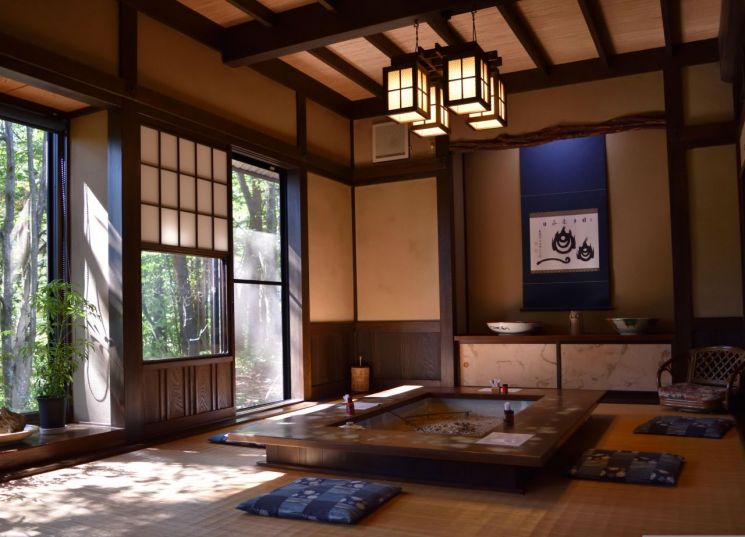
Jaya Surzfield, a software developer from Australia, decided to move in 2017 after being persuaded by his Japanese wife. Two years later, he bought a traditional Japanese house in Ibaraki Prefecture, about a 45-minute ride by public transportation to central Tokyo, for $23,000 (about 30 million KRW).
This house, built with Japanese cedar, has a floor area of 250㎡ (75 pyeong) and a land area of 330㎡ (100 pyeong). It was a vacant house, or ‘akiya,’ that passed into the ownership of Ibaraki Prefecture after the owner died and the family abandoned it.
Akiya refers to vacant houses abandoned across Japan starting in the mid-to-late 1990s when the country’s ‘bubble economy’ burst and the population began to decline rapidly. According to the 2018 Housing and Land Survey by the Japanese government, about 14% of all real estate nationwide, totaling 8.5 million houses, are akiya.
However, Nomura Securities Research Institute forecasts that if current trends continue, an additional 11 million vacant houses will appear by 2033, making up more than 30% of all real estate, indicating a serious vacant house problem.
In response, local governments in Japan have even established ‘akiya banks’ to facilitate the sale of vacant houses. This desperate measure was taken as they could no longer collect property taxes on vacant houses, leading to financial collapse.
Nevertheless, it is reported that even when auction prices are reduced by 30-40% through joint auctions, there are hardly any domestic buyers interested in moving in.
On the other hand, the akiya sales business targeting foreigners seems to be gaining momentum. Surzfield recently started a real estate sales business aimed at foreigners who have moved to Japan or plan to do so. He buys about 10 akiya cheaply, remodels them, and earns a 20% profit.
Similarly, Matthew Ketchum, an American who moved to Japan through vacant houses, founded a real estate consulting company called ‘Akiya and Inaka’ that sells vacant houses to foreigners. He buys traditional Japanese houses that are 100 to 300 years old, remodels them to suit Western lifestyles, and sells them with added profit.
Ketchum said, "At first, inquiries came from residents in Japan, Australians, and Singaporeans, but now most of our international clients are from the United States," adding that the number of clients has increased more than fivefold since opening in 2020.
An American couple who moved into a vacant house in this way told the NYT, “We won a house listed at $88,000 on the akiya bank auction for $30,000,” expressing satisfaction by saying, “Buying a house with this size garden and scale near a major U.S. city would cost at least $300,000.”
The NYT explained, “The decline in Japanese housing prices is partly due to the bursting of the ‘bubble economy’ in the early 2000s, but the biggest cause is the rapid population decline due to falling birth rates.”
© The Asia Business Daily(www.asiae.co.kr). All rights reserved.