Moderna and Merck Report Successful Interim Clinical Results
Effective Treatment and Recurrence Prevention in Melanoma Patients
Technology Borrowed from COVID-19 Vaccine Manufacturing
Humanity has taken a step closer to conquering the long-standing challenge of 'cancer eradication.'
The neoantigen cancer vaccine mRNA-4157, developed by Merck & Company and Moderna Therapeutics, has been shown to aid in the treatment and prevention of recurrence of melanoma.
According to a report by the US media outlet The Wall Street Journal (WSJ) on the 16th (local time), a mid-stage clinical trial of the jointly developed cancer vaccine was conducted on 157 high-risk melanoma patients by Merck and Moderna. The results showed that 79% of patients who received both the vaccine and Merck's immuno-oncology drug 'Keytruda' had no detectable cancer cells 18 months later.
Among patients who received only Keytruda, 62% were cured of cancer.
The results of this clinical trial were announced at the annual meeting of the American Association for Cancer Research, which began on the 14th. All 157 patients participating in the trial had undergone cancer removal surgery; among them, 50 received only Keytruda, while 107 received both the vaccine and Keytruda.
The new vaccine also proved effective in preventing cancer recurrence. When recurrence was checked two years after the trial, the group that received both the vaccine and Keytruda had about an 18% lower rate of recurrence and mortality compared to the group that received only Keytruda.
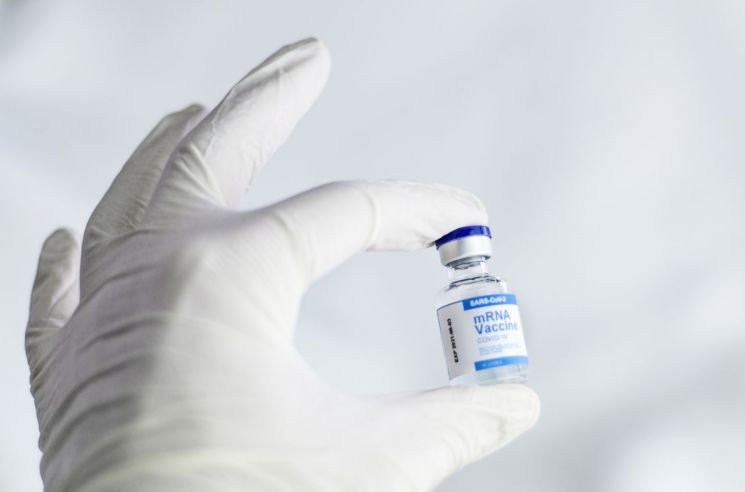
The new vaccine developed by Merck and Moderna was personalized for each patient. The development period for each individual vaccine was approximately 6-7 weeks, and it also utilized messenger RNA (mRNA) technology, which Moderna used to create its COVID-19 vaccine.
This vaccine has the potential to be applied not only to melanoma but also to other types of cancer. The research team explained to WSJ that the vaccine was effective regardless of the number of mutations in melanoma tumors. In other words, it means the vaccine is effective even for cancer types with fewer mutations.
The research team plans to begin large-scale studies by the end of this year to verify the results of the mid-stage clinical trial and to seek regulatory approval for the vaccine.
© The Asia Business Daily(www.asiae.co.kr). All rights reserved.

















