ANA·JAL Introduce 'No In-flight Meal Option'
Focus on Lounge Service to Differentiate from LCCs
Major Japanese airlines such as All Nippon Airways (ANA) are drawing attention by introducing a 'no in-flight meal option' aimed at reducing costs and carbon dioxide emissions. While paid in-flight meal services have typically been limited to low-cost carriers (LCCs), major airlines are now starting to follow suit.
According to the Japanese online media Merkmal on the 17th, ANA and Japan Airlines (JAL) have introduced a service that allows passengers to cancel in-flight meals in advance.
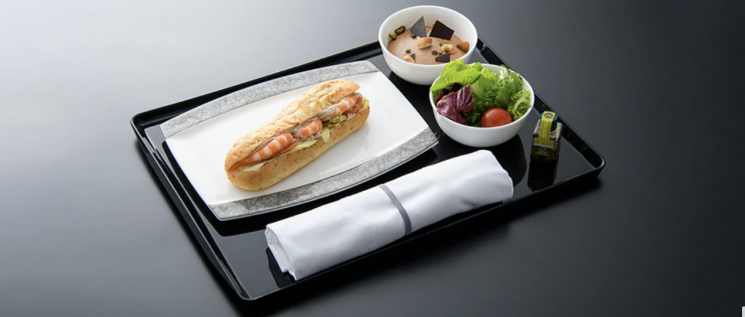
Since the 31st of last month, ANA has started offering a 'no in-flight meal option' and a 'Quick and light meal' service that provides lighter meals. The no in-flight meal option skips meals on flights that take off or land at night, and it is available on all routes and classes.
The Quick and light meal service replaces the course meals?appetizer, main dish, and dessert?offered to business and first-class customers with a simple meal. Instead of eating and clearing courses, salad, sandwiches, and soup are served together on one tray.
In the case of JAL, since December last year, the 'Meal skip option' has been implemented on all international routes and classes. Short-haul routes with short flight times are also following this trend. For example, on JAL’s Haneda-Gimpo route, the 'Sky Deli' service offers sandwiches and potato chips in a shopping bag instead of drinks and meals.

Major airlines say that in addition to cost savings, eliminating unnecessary food waste also helps reduce carbon dioxide emissions and protect the environment. According to ANA, the waste generated from preparing in-flight meals on domestic and international flights departing from Japan amounts to about 248 tons annually, with about 28 tons of waste cooking oil produced. For this reason, ANA has announced plans to reduce food waste from in-flight meals and lounge food by half by 2050.
While in-flight meals are considered one of the pleasures of flying, passengers on flights arriving late at night or on short international routes often choose sleep over meals, resulting in a higher rate of meal waste compared to other routes. Business and first-class passengers also use lounges before boarding, so meal waste continues to occur. The media reported that JAL and ANA are focusing more on lounge services by developing signature menus and offering sushi services.
An industry insider analyzed, "While it is necessary to reduce waste and carbon dioxide emissions, it is difficult for major airlines to differentiate themselves with paid in-flight meals implemented by LCCs, so they have sought this kind of new approach."
© The Asia Business Daily(www.asiae.co.kr). All rights reserved.


















