Safety Evaluation Research Institute Confirms Cadmium Toxicity Mechanism and Reduction Methods
Domestic researchers have confirmed the toxicity of the heavy metal cadmium in fine dust and revealed that melatonin reduces this toxicity.
The Korea Institute of Toxicology (KIT) announced on the 10th that it has identified the toxicological effects of cadmium, one of the hazardous heavy metals in fine dust, on the human prostate and confirmed that melatonin reduces these effects.
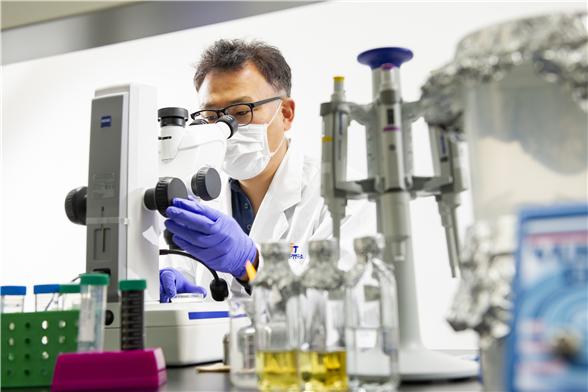
Cadmium is used in various applications such as batteries, metal coatings, pigments, and plastic stabilizers due to its resistance to corrosion. However, it is one of the representative carcinogens, and when exposed to the human body, it accumulates in the lungs, liver, and kidneys, causing lung cancer, kidney cancer, and other diseases.
As fine dust worsens every year, the research team conducted a study to accurately understand how cadmium in fine dust affects the human body and to discover substances that can reduce its impact. First, cadmium was exposed at a concentration of 200㎍/kg, which is within the possible human exposure range, to cell lines (cell populations with identical genetic characteristics) and mice. For the cell line experiments, cadmium was exposed to human-derived prostate cell lines and mouse cell lines. As a result, it was confirmed that oxidative stress increased reactive oxygen species, inducing cell death. Reactive oxygen species (ROS) are waste products generated during the activity of organs or cells in the body that damage cell membranes. Cadmium was found to penetrate mitochondria, organelles that play important roles in cellular metabolic homeostasis and apoptosis, reducing the mitochondrial membrane potential and causing cytotoxicity.
In particular, the study revealed that STAT3 (Signal Transducer and Activator of Transcription 3), which has recently been reported to play an important role in mitochondrial homeostasis, is impaired by cadmium exposure. STAT3 is known to mediate the expression of various genes in response to cellular stimuli such as immune suppression, inflammatory diseases, and autoimmune diseases. When mice were exposed to cadmium, the mitochondrial STAT3 protein decreased similarly to the cell experiments. This confirmed that cadmium damages prostate tissue. In other words, cadmium exposure reduces the function of STAT3 and disrupts mitochondrial homeostasis, affecting the size and function of prostate tissue and suggesting the potential to cause prostate damage. Melatonin is a biological hormone secreted by the brain that regulates sleep rhythms and is well known as a drug used to treat insomnia.
Pre-treatment with melatonin for one hour was found to regulate mitochondrial STAT3 function, improve mitochondrial homeostasis, and inhibit cell death, thereby reducing the toxic effects on prostate function.
The research team stated, "This study suggests the possibility that human resistance to toxicity may be influenced by sleep habits and other factors, indicating the need for follow-up research," and added, "Continuous research on the harmfulness of heavy metals in ultrafine dust is necessary. We plan to conduct studies not only to identify harmful effects but also to find alternatives to reduce them."
The results of this study were published in the international biological journal 'Communications Biology' in February.
© The Asia Business Daily(www.asiae.co.kr). All rights reserved.

















