Production Cut of 1.16 Million Barrels Per Day Starting Next Month
The Organization of the Petroleum Exporting Countries (OPEC) and the coalition of major non-OPEC oil-producing countries including Russia, known as OPEC+ (Plus), will begin a voluntary additional production cut of 1.16 million barrels per day starting next month. This voluntary cut is separate from the large-scale production cut policy decided at the OPEC+ meeting in October last year, and the total reduction amounts to about 3.7% of global demand. As oil-producing countries have maintained their production cut stance since the end of last year, Western countries including the United States have warned that the sharp rise in international oil prices could push the global economy into a recession.
On the 2nd (local time), major foreign media reported that Saudi Arabia's crude oil production will decrease by 500,000 barrels per day (bpd) starting next month. The Saudi Ministry of Energy explained that the production cuts, expected to continue until the end of the year, were implemented proactively to stabilize the international oil market. On the same day, the United Arab Emirates (UAE) also announced it would begin cutting production by 144,000 bpd from May until the end of the year.
The state-run WAM news agency reported that this voluntary production cut is a measure to reduce market volatility. Amrita Sen, head of research at Energy Aspects, described the additional cut as a "preemptive measure in anticipation of a potential demand decline."
Iraq also announced plans to cut production by 211,000 bpd on the same day, and Kuwait (128,000 bpd), Oman (40,000 bpd), Algeria (48,000 bpd), and Kazakhstan (78,000 bpd) joined the voluntary cuts. Member countries that are already producing below their quotas due to equipment shortages reportedly did not participate in this voluntary cut.
Russia, which had announced a 500,000 bpd cut from March to June this year, decided to extend the cut period until the end of the year. Russian Deputy Prime Minister Aleksandr Novak issued a statement saying, "As a responsible participant in the oil market, Russia will implement a voluntary production cut of 500,000 bpd until the end of this year."
This voluntary production cut is an additional measure executed separately from the large-scale production cut policy decided at the OPEC+ meeting in October last year.
Since OPEC+ has maintained its production cut stance since the end of last year, concerns have arisen in Western countries including the United States that the sharp rise in international oil prices could lead the global economy into a recession. Experts predict that this measure will cause an immediate increase in oil prices. Investment firm Pickering Energy Partners analyzed that the production cut could raise oil prices by about $10 per barrel, and oil brokerage PVM forecasted that prices would surge immediately once trading resumes after the weekend.
The series of production cut announcements by major oil-producing countries came ahead of the OPEC+ Ministerial Monitoring Committee (JMMC) meeting scheduled for the 3rd. Earlier, in February, the OPEC+ monitoring committee recommended that oil-producing countries maintain the production cut policy of 2 million barrels per day.
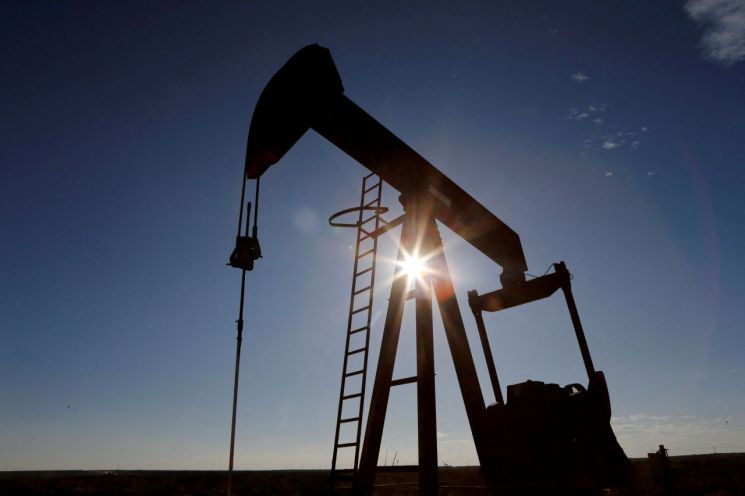
This decision, led by the dual leaders of OPEC+, Saudi Arabia and Russia, is expected to heighten tensions between the United States and Saudi Arabia. Bloomberg News expressed concerns that OPEC+'s additional production cuts could escalate tensions between the Biden administration and Saudi Arabia. Analysts suggest that Saudi Arabia, once a U.S. ally, siding with Russia through consecutive production cuts will make the new Cold War dynamics more pronounced. OPEC+ had announced a large-scale production cut plan of 2 million bpd last October ahead of the U.S. midterm elections.
Previously, the U.S. government pressured Saudi Arabia not to cut production before the OPEC+ meeting. Increasing production was deemed inevitable to ease inflation and limit revenue from Russian oil sales following Russia's invasion of Ukraine. President Biden met directly with Saudi Crown Prince Mohammed bin Salman in July to request increased production but achieved little success.
© The Asia Business Daily(www.asiae.co.kr). All rights reserved.

















