More than 240,000 Domestic Reclusive Youths Accounting for Over 2% of the Population Aged 15-64
A government survey estimated that there are 1.46 million hikikomori (social recluses) among Japan's population aged 15 to 64.
According to reports from local Japanese media such as Asahi Shimbun and Yomiuri Shimbun on the 1st, the Japanese government conducted a survey last November which found that 2.05% of respondents aged 15 to 39 and 2.02% of respondents aged 40 to 64 were identified as hikikomori. The number of respondents in the survey was approximately 11,300. Based on this, the Japanese government estimated the total number of hikikomori in Japan to be 1.46 million.
The Japanese government classifies individuals as hikikomori if they have experienced states such as "rarely leaving their room," "leaving their room but not the house," "going out only to nearby convenience stores," or "going out only when related to hobbies" for more than six months.
One notable point from this survey is that about 20% of hikikomori cited COVID-19 as the cause.
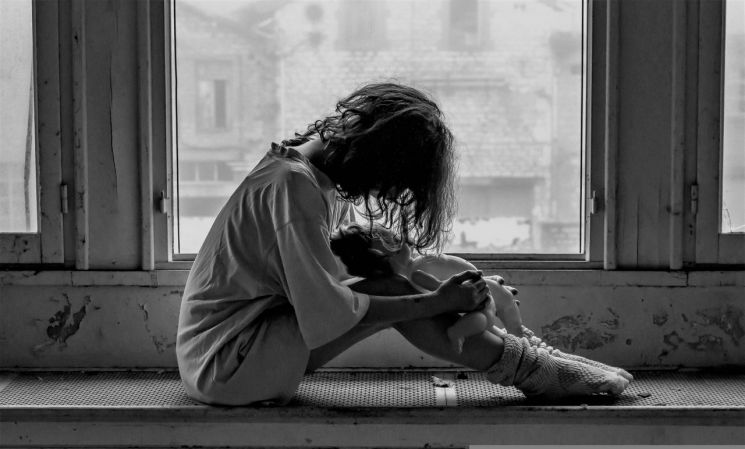
Until now, the Japanese government has investigated the status of hikikomori separately for youth and middle-aged groups, but this is the first time a combined survey for ages 15 to 64 was conducted.
Meanwhile, although a nationwide survey covering all age groups has not yet been conducted domestically, recent statistics estimate that there are 244,000 hikikomori youth in South Korea.
According to the "Youth Life Status Survey" released on the 7th by the Office for Government Policy Coordination under the Prime Minister's Office, 2.4% of all youth, or 244,000 individuals, were identified as hikikomori. Additionally, the proportion of "low-activity" youth who occasionally go out was as high as 11.0%, about one in ten. This survey was conducted from July to August last year targeting 15,000 households including youth aged 19 to 34.
The biggest reason South Korean youth live as hikikomori was "difficulty finding employment" (35.0%), followed by "difficulty in interpersonal relationships" (10.0%) and "dropping out of school" (7.9%).
The scale of hikikomori youth was even larger in a Seoul city survey released in January (targeting 5,513 youth aged 19 to 39 residing in Seoul from May to December 2022), showing that 4.5% of Seoul youth, up to 129,000 individuals, were in isolated or reclusive states.
© The Asia Business Daily(www.asiae.co.kr). All rights reserved.
![Clutching a Stolen Dior Bag, Saying "I Hate Being Poor but Real"... The Grotesque Con of a "Human Knockoff" [Slate]](https://cwcontent.asiae.co.kr/asiaresize/183/2026021902243444107_1771435474.jpg)
















