7 Out of 10 Say They Have Used Korean Medicine at Least Once in Their Lives
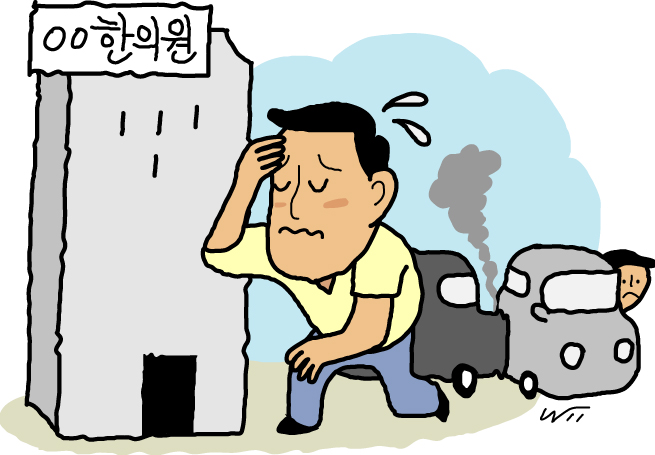
As the number of people using Korean medicine is increasing, it has been found that 1 in 3 people believe that insurance coverage needs to be expanded in order to visit Korean medicine clinics more frequently.
According to the "2022 Korean Medicine Utilization Survey (6th edition)" released by the Ministry of Health and Welfare on March 30, 71.0% of respondents reported having used Korean medicine at some point in their lives, up 2.0 percentage points from the 2020 survey (69.0%). The most recent usage among those with experience was "within the past year" at 35.0%. This survey was conducted by the National Institute for Korean Medicine Development and Gallup Korea from September 1, 2021, to August 31, 2022, targeting 5,055 adults nationwide.
Among Korean medicine users, 51.2% of inpatients at Korean medicine hospitals and clinics had experience taking herbal decoctions. Additionally, 16.6% of outpatients and 26.1% of inpatients at long-term care or general hospitals reported having taken herbal decoctions. Herbal decoctions refer to preparations prescribed by Korean medicine institutions, made by mixing one or more herbal medicines to be consumed as a decoction.
34.1% Say Korean Medicine Is Expensive... Expansion of Insurance Coverage Ranked as Top Solution
34.1% of respondents considered Korean medicine to be "expensive." The treatment perceived as most costly was herbal decoctions (68.3%), followed by Chuna manual therapy (52.8%) and herbal preparations (51.6%). According to the 2021 Medical Aid Statistics Yearbook, the cost of Korean medicine covered by medical aid was 225.5 billion won, accounting for 2.3% of all medical aid institutions. Long-term care hospitals (18.5%), general hospitals (18.4%), pharmacies (16.1%), clinics (14.3%), and tertiary hospitals (12.1%) made up the higher shares. Since most Korean medicine treatments are not covered by insurance, 1 in 3 respondents felt burdened by treatment costs.
When asked about ways to expand the use of Korean medicine among the general public, the most common answer was to expand insurance coverage (34.7%). This response was slightly higher than in the survey two years ago (33.4%). Of these, 33.0% said that expanding insurance coverage for herbal decoctions should be the top priority, followed by herbal preparations (28.0%) and Chuna manual therapy (18.1%).
As calls for expanded insurance coverage for Korean medicine treatments grew during the COVID-19 pandemic, the government in November 2020 for the first time applied a pilot health insurance fee schedule for herbal decoctions for three conditions: facial nerve palsy, sequelae of cerebrovascular disease (for those aged 65 and older), and menstrual pain. At certain clinics, patients only need to pay 50% of the pilot fee schedule for up to 10 days per year. However, this year marks the final year of the project. In this survey, only 5.6% of respondents were aware of this program, and among them, only 2.1% had actually used it, indicating very low utilization. The main reasons for not using the program were "did not feel a health need" (35.5%) and "the range of applicable conditions is limited" (17.9%).
© The Asia Business Daily(www.asiae.co.kr). All rights reserved.
![Clutching a Stolen Dior Bag, Saying "I Hate Being Poor but Real"... The Grotesque Con of a "Human Knockoff" [Slate]](https://cwcontent.asiae.co.kr/asiaresize/183/2026021902243444107_1771435474.jpg)
















