North Korea Human Rights Report Released 7 Years After Legislation
"Arbitrary Deprivation of Life by Public Authority in North Korea"
Ministry of Unification: "Significant as the First Public Report"
There have been testimonies that North Korean residents who sold Korean products such as high heels and cosmetics were publicly executed. It has been pointed out that killings and public executions by North Korean authorities are frequently carried out, not only for violent crimes such as murder but also for matters related to basic freedoms, including watching and distributing Korean video content and religious activities.
The Ministry of Unification compiled the "2023 North Korean Human Rights Report" based on testimonies from 508 defectors who fled North Korea between 2017 and 2022, and released it on the 30th. This report was kept confidential by the previous government for seven years since the enactment of the North Korean Human Rights Act, fearing North Korea's backlash. The Yoon Suk-yeol administration decided to disclose it in line with its policy to reveal the horrific realities in North Korea in detail.
The report particularly pointed out that human rights violations frequently occur in detention facilities, including forced biological experiments conducted without the consent of the subjects. It also included an incident captured in a widely circulated video where a six-month pregnant woman was publicly executed for pointing her finger at a portrait of Kim Il-sung.
"Summary executions carried out arbitrarily without due process"
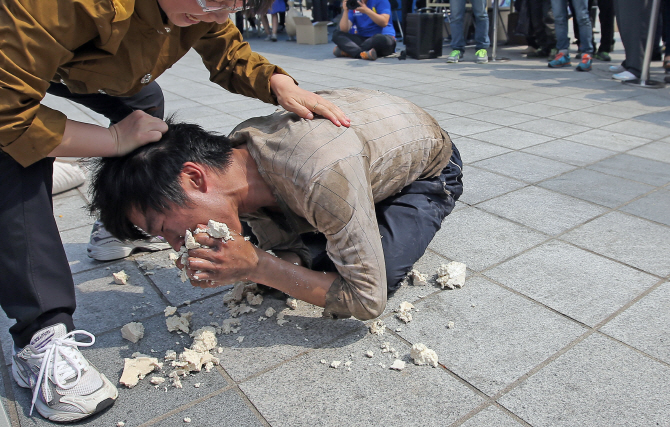
According to the report, cases of summary executions without judicial procedures at the North Korean border have been consistently collected. In 2019, a porter involved in smuggling operations in the North Korea-China border area was detained at a guard post after being caught stealing and was shot dead by a border guard while attempting to escape.
Since 2020, North Korea is known to have implemented a policy stating that anyone entering the border blockade area without prior warning will be shot immediately upon discovery, citing COVID-19 quarantine measures. It has been confirmed that there were cases where individuals entering the blockade area were shot under this policy.
There were also testimonies of prisoners being executed after being caught trying to escape from correctional facilities. It was reported that between 2016 and 2017, there were shootings of prisoners caught during escape attempts at Hamheung Correctional Facility. In one case, a prisoner caught while escaping was tied by the neck with a rope, hung at the top of the main gate, shot about three times, and then his body was laid on the ground for fellow inmates to throw stones at, according to the report.
Public execution for pointing at 'Kim Il-sung portrait'
Many executions were also carried out for reasons such as watching Korean video content or engaging in religious activities. One defector testified, "In 2018, there was a public trial in Pyongsong City involving 18 people, and I witnessed one person sentenced to death for possessing a Bible and spreading Christianity being immediately publicly shot." In 2019, five organizers of an underground church in Pyongyang were publicly executed after being caught.
Relatively recently, in 2020 in Yanggang Province, a man was publicly shot for bringing Korean video content from China and distributing it to residents. In 2018, testimonies were collected that people caught secretly selling Korean products such as high heels and cosmetics were consecutively publicly shot.
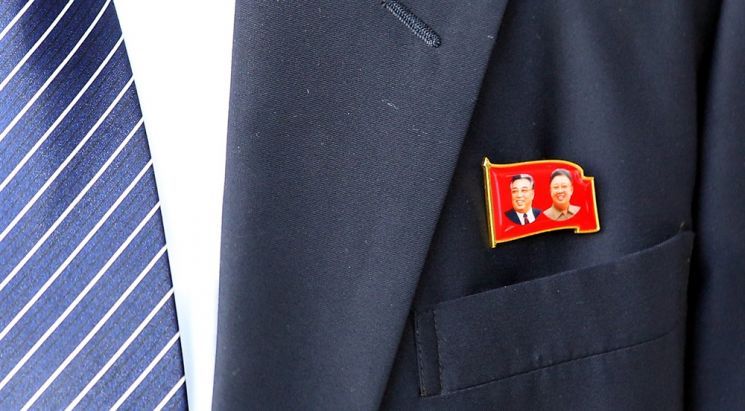
Pregnant women were no exception. In 2017, a video showing a woman dancing at home was circulated in North Korea. The woman was six months pregnant at the time, and it is understood that she was arrested and publicly executed for pointing her finger at a portrait of Kim Il-sung in the video.
Serious human rights violations against women... even biological experiments on disabled persons
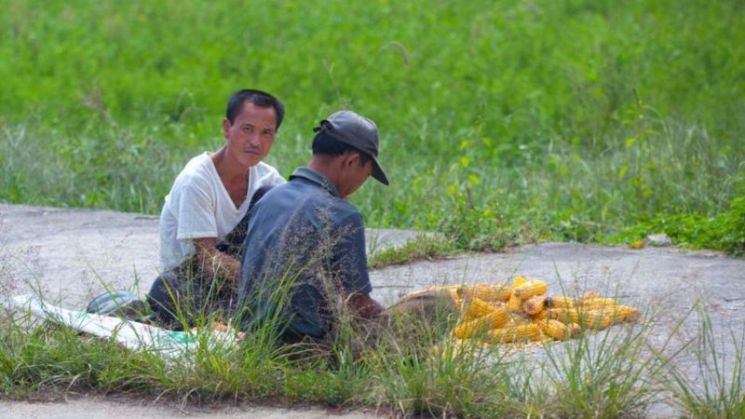
The report pointed out that human rights violations against women and socially vulnerable groups are particularly severe. Women are exposed to various forms of violence regardless of location, including at home, school, military, and detention facilities. In particular, in detention facilities, there were testimonies that women were subjected to naked inspections under the pretext of checking belongings, vaginal examinations were conducted directly, and even uterine examinations by male guards were carried out.
There was also testimony that a woman forcibly repatriated from China in 2014 had her baby killed by a guard immediately after birth because the baby was considered a "Chinese child." Testimonies witnessing public executions have been collected annually from the start of investigations in 2017 through at least 2020.
There were also testimonies that biological experiments were conducted without the consent of the subjects. The report stated that these experiments were mainly conducted at a place called Hospital No. 83 or Management Office No. 83, targeting patients with mental illnesses such as schizophrenia or intellectual disabilities.
"Efforts to improve North Korean human rights"... but limitations similar to previous reports
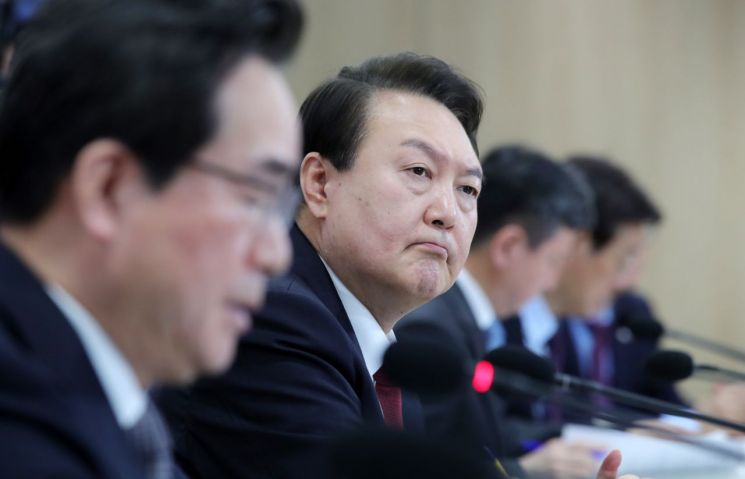
This report, published following President Yoon Suk-yeol's strong commitment to the practical implementation of the North Korean Human Rights Act, covers over 1,600 cases of human rights violations testified by 508 defectors who fled between 2017 and 2022. It is significant as the first government-issued report addressing the human rights situation in North Korea and formalizing the South Korean government's efforts to improve North Korean human rights.
However, as the first publicly released report, there are clear limitations. It did not include chronological comparisons or analyses of the human rights situation and mainly presented the collected testimonies as they were. Additionally, it has limitations in that it is similar to the "North Korean Human Rights White Paper" previously published by the Korea Institute for National Unification and overlaps significantly with reports issued by the United Nations and domestic and international NGOs.
An official from the Ministry of Unification explained, "This report is significant as the first public report published by the government under the North Korean Human Rights Act enacted through bipartisan cooperation in early 2016. No other government agency has investigated and published a public report on the North Korean human rights situation."
The Ministry of Unification plans to publish 2,500 copies of this report and distribute them both online and offline to serve as credible basic data in the field of North Korean human rights. They also plan to publish an English version to provide opportunities to inform the international community.
© The Asia Business Daily(www.asiae.co.kr). All rights reserved.



















