Rabies Vaccine Distributed in Wild Raccoon Habitat
Vaccine Contained in Fish Cake
Major Rabies Hosts Alongside Bats
The Seoul Metropolitan Government plans to scatter 'eomuk' (fish cake) as food for wild raccoons in city streams and walking trails. This eomuk contains a bait vaccine for wildlife rabies.
On the 27th, Seoul announced that it will distribute rabies prevention vaccines for wild raccoons near boundary streams such as Yangjaecheon and Anyangcheon. Approximately 37,000 doses of the vaccine will be scattered this time.
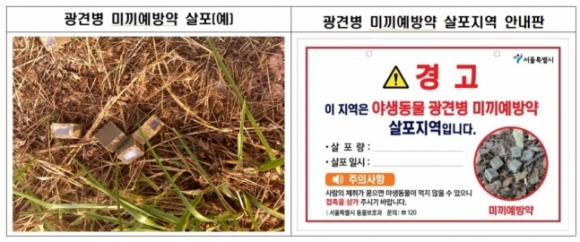
The rabies vaccine is baited inside square-cut pieces of eomuk. It will be distributed in a barrier belt shape surrounding the outskirts of Seoul, totaling 145 km. The distribution areas include major habitats of wild raccoons such as Bukhansan, Dobongsan, Suraksan, Bulamsan, Gwanaksan, Yongmasan, Umyeonsan, Daemosan, Gaehwasan, as well as Yangjaecheon, Tancheon, and Anyangcheon.
The bait vaccine is reported to be a drug whose safety has already been proven through experiments on 60 different animal species. When wildlife consumes the vaccine contained in the bait, immunity is induced through the gum mucosa, preventing rabies.
For dogs and cats, consuming the bait vaccine does not cause health problems, but it is said that the most reliable prevention method is to directly inject the rabies vaccine.
Wild Raccoons, Major Hosts of Rabies in Korea
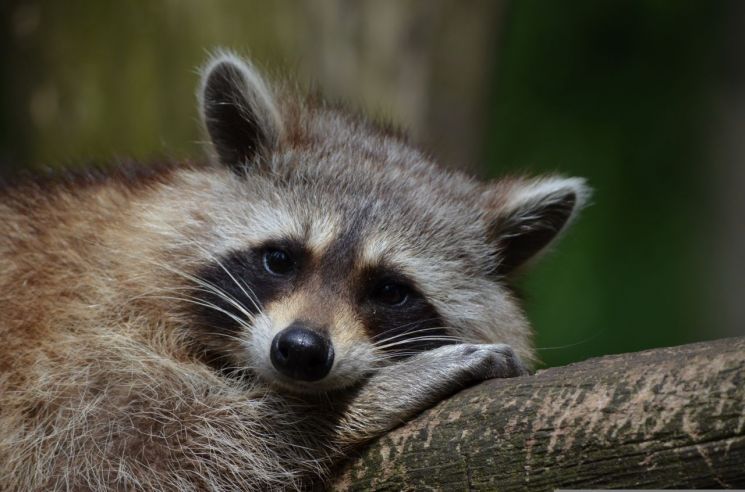
Raccoons, along with bats, are known as major reservoir hosts of rabies. In particular, wild raccoons mainly inhabit mountainous areas and are often found on hiking trails used by citizens, which poses a significant risk.
In September 2006, a raccoon carcass infected with the rabies virus was found in a residential area in Eunpyeong-gu, Seoul, making it clear that the city cannot be considered safe from rabies.
Accordingly, Seoul has been preventing rabies by distributing bait vaccines, and as a result, no cases of rabies have occurred to date.
Seoul urges citizens not to touch the wildlife rabies bait vaccine if they find it during hiking. This is because the scent left by human hands on the bait may prevent wildlife from consuming it. Unconsumed bait vaccines will be collected by city authorities 30 days after distribution.
Meanwhile, animals infected with rabies tend to become easily excited, hypersensitive, and aggressive. They may drool foam from their mouths or, in severe cases, lose consciousness. Pets must wear leashes during outdoor activities to avoid contact with wildlife, and if a pet comes into contact with a suspected rabid animal, the owner should report it to quarantine authorities and seek treatment at a veterinary hospital.
© The Asia Business Daily(www.asiae.co.kr). All rights reserved.


















