The Israeli government led by Benjamin Netanyahu has temporarily suspended the legislation aimed at weakening the judiciary, which had been pushed forward under the name of so-called 'judicial reform,' due to strong resistance from citizens.
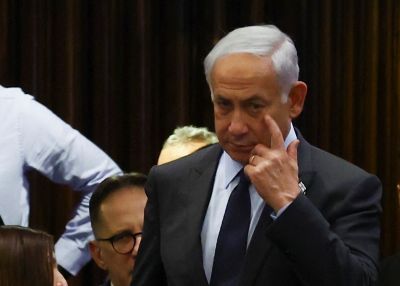
On the 27th (local time), Prime Minister Netanyahu announced that the legislative process for judicial reform, promoted by the right-wing coalition, would be postponed until the next Knesset session. In a public address, he emphasized, "We have decided to take a timeout for dialogue (with the opposition)" and "We will make every effort to find a solution." After dismissing the Defense Minister who publicly opposed the judicial reform, nationwide anti-government protests and strikes continued, prompting Netanyahu to buy some time for now.
The Netanyahu government plans to seek a consensus through negotiations with the opposition by the next parliamentary session starting in early May. However, significant differences remain over key bills between the ruling and opposition parties, so the negotiations are expected to be difficult. On the same day, Netanyahu also targeted the opposition resisting the judicial reform, saying, "There are a few extremists dividing the country," but added, "I am not ready to divide the country." The judicial reform was only awaiting a vote in the Knesset plenary session.

If the judicial reform bill passes, the powers of the Supreme Court will be reduced, and the ruling party will be able to lead the composition of the committee responsible for judicial appointments. The bill prevents the Supreme Court from blocking parliamentary legislation that contradicts Israel's soft constitution, the 'Basic Laws,' through judicial review. It also includes laws that limit the grounds and authorities for assessing the Prime Minister's fitness for office.
In response, the Israeli opposition and civic groups have criticized the reform as a move to weaken the judiciary and as a measure benefiting Prime Minister Netanyahu, who is facing trials on charges including breach of trust and corruption. The anti-government protests, which initially involved thousands, expanded to hundreds of thousands as the legislative process advanced, intensifying public backlash.
On the same day, Histadrut, Israel's largest labor federation, declared a general strike. The union, representing 800,000 members, warned that the national economy could come to a halt if the judicial reform bill is not withdrawn. Tens of thousands of protesters gathered in major cities such as Jerusalem and Tel Aviv, clashing with police in some instances. Merav Michaeli, leader of the Labor Party, stated, "We can only enter into dialogue with the government if the judicial reform legislation is canceled or the bill itself is withdrawn."
Concerns about Netanyahu's judicial reform bill have also been expressed internationally. Earlier, U.S. President Joe Biden conveyed these concerns during a call with Prime Minister Netanyahu, referring to democratic societies. Adrian Watson, spokesperson for the U.S. National Security Council (NSC), issued a statement expressing "concern about what is happening in Israel" and emphasizing "the need for compromise."
© The Asia Business Daily(www.asiae.co.kr). All rights reserved.


















