Although the number of tuberculosis patients in South Korea has steadily declined even after COVID-19, infections continue to persist mainly among vulnerable groups.
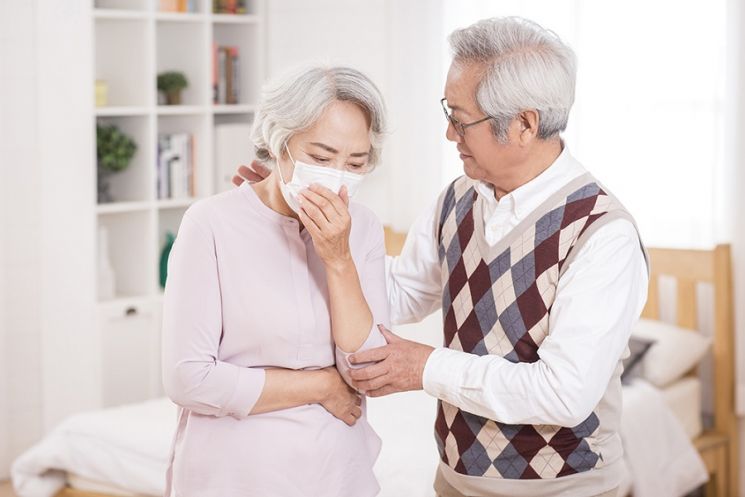
According to the Korea Disease Control and Prevention Agency on the 26th, the total number of tuberculosis patients in the country was 20,383 last year, less than half of the 45,292 patients in 2013. Accordingly, the incidence rate per 100,000 people decreased from 89.6 to 39.8. While the global number of tuberculosis patients increased by 4.5% in 2021 compared to the previous year, South Korea's number actually decreased by 8.0%.
However, South Korea has not escaped the stigma of having the highest tuberculosis incidence rate among OECD countries for 26 consecutive years. In 2021, South Korea's tuberculosis incidence rate was 44.0 per 100,000 people, 4.5 times the OECD average of 9.7. South Korea's tuberculosis mortality rate was 3.8 per 100,000 people, ranking third highest after Colombia (5.0) and Lithuania (4.6).
The number of domestic deaths due to tuberculosis in 2021 was 1,430, making it the second highest infectious disease death toll after COVID-19. The tuberculosis incidence rate is high among socioeconomically vulnerable groups such as the homeless and medical aid recipients, and recently, due to aging, the proportion of patients aged 65 and older and the number of deaths have continuously increased.
The KDCA has set a goal to reduce the domestic tuberculosis incidence rate to below 20 per 100,000 people by 2027, which is half the level of 2022.
To achieve this, they plan to strengthen latent tuberculosis infection screening and treatment through support for high-risk group screening costs, while continuously expanding outreach tuberculosis screening for vulnerable groups such as the elderly and homeless, and increasing the number of beneficiaries for tuberculosis confirmation test cost support. They will establish a sophisticated infection route investigation system to conduct more precise epidemiological investigations and promote tuberculosis screening for foreigners entering from high-risk countries at the pre-entry stage. Additionally, efforts will be made to domestically produce the tuberculosis prevention vaccine (BCG), enhance diagnostic testing capabilities, and continue strategic investments to secure domestic vaccine technology.
© The Asia Business Daily(www.asiae.co.kr). All rights reserved.
!["The Woman Who Threw Herself into the Water Clutching a Stolen Dior Bag"...A Grotesque Success Story That Shakes the Korean Psyche [Slate]](https://cwcontent.asiae.co.kr/asiaresize/183/2026021902243444107_1771435474.jpg)
















