Regional Major Water Sources Dongbok Lake 18.65% · Juam Dam 21.18% Storage Rates
Slight Decline Compared to Previous Day... Concerns Remain for Water Restrictions in May and Depletion in June
Amid an unprecedented drought in the Gwangju and Jeonnam regions, the crisis of water rationing is becoming a reality. Although there was rainfall over two days, it is far from sufficient to alleviate the situation.
According to the Gwangju Regional Meteorological Administration on the 23rd, up to 33mm of rain fell in the Gwangju and Jeonnam areas starting from the afternoon of the previous day.
Looking at major observation points, Gurye recorded 33mm, Suncheon 31.9mm, Gokseong 30.5mm, Jangheung 28.4mm, Hwasun 25.5mm, Nam-gu in Gwangju 22mm, and Wando, which has been under water rationing since last year, recorded 14.4mm of precipitation.
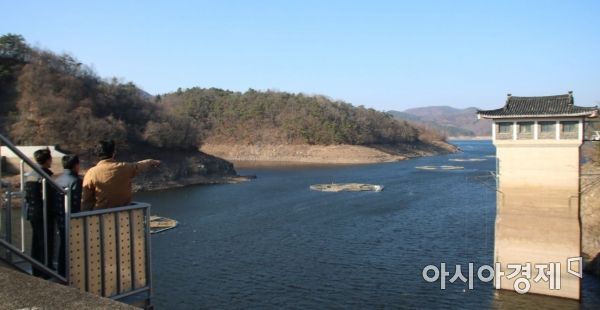
However, the rainfall over the two days does not seem to have a significant impact on the reservoir levels of Dongbok Lake and Juam Dam, the main water sources. It takes 2 to 3 days after the rain for water inflow to occur, and the reservoir levels are not expected to rise significantly, according to a representative from the Gwangju Waterworks Headquarters.
As of 0:00 AM on this day, Dongbok Lake showed a reservoir level of 18.65%, and Juam Dam showed 21.18%. Compared to the previous day’s levels of 18.76% for Dongbok Lake and 21.29% for Juam Dam, the reservoir levels dropped despite the rain falling from the afternoon through the night.
Assuming no further rainfall, water rationing is expected to begin around mid-May and the water supply is projected to be depleted by the end of June.
The rain is expected to fall sporadically in various places until 6 PM on this day, and most areas in Gwangju and Jeonnam are forecasted to see the rain stop from late afternoon.
Following the rain, yellow dust has been forecasted. This yellow dust originated from the Inner Mongolian Plateau and the Gobi Desert on the 21st, and additional yellow dust generated in northeastern China the previous day is moving along a low-pressure system. The Korea Meteorological Administration expects some of this dust to travel southeastward on northwesterly winds.
© The Asia Business Daily(www.asiae.co.kr). All rights reserved.

















