Statistics Korea Announces '2022 Social Indicators of Korea'
Total Fertility Rate 0.78... Average Household Size 2.3
Net Assets Increased but Income Decreased
The total fertility rate, which is the average number of children a woman in South Korea is expected to have during her reproductive years (ages 15-49), has remained in the 0 range for five consecutive years. Last year, it dropped further to 0.78, setting a new record low since statistics began in 1970. The population aged 65 and older reached 9.02 million, an increase of about 450,000 from the previous year, accounting for 17.5% of the total population. This reflects the low birthrate and aging population issues in Korean society.
On the 23rd, Statistics Korea released the "2022 Social Indicators of Korea," which includes these findings. This report provides a comprehensive overview of Korean society and helps understand overall economic and social changes related to the lives of the people.
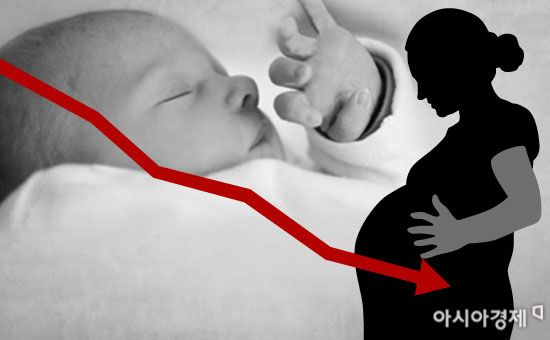
The total fertility rate has been in the 0 range for five years since 2018. Last year, it decreased by 0.03 from the previous year to 0.78.
South Korea's total population is 51.63 million. After peaking at 51.84 million in 2020, it has declined for two consecutive years. The median age in 2022 was 45.0 years, more than double the 21.8 years recorded in 1980. It is projected to reach 62.2 years by 2070.
As the population and fertility rate decline, the average household size is also decreasing. In 2021, the average number of household members was 2.3, with single-person and two-person households accounting for 61.7%, and households with three or more members making up 38.2%. The proportion of people who believe marriage is necessary also dropped by 1.2 percentage points from two years ago to 50%.
In 2021, the life expectancy of South Koreans was 83.6 years, an increase of 3.0 years from 10 years ago (80.6 years) and 0.1 years from the previous year (83.5 years). The leading causes of death were malignant neoplasms (cancer), heart disease, pneumonia, and cerebrovascular diseases. The mortality rate from Alzheimer's disease was 15.6 per 100,000 people, a 52-fold increase compared to 0.3 in 2000.
Last year, 51.1% of middle and high school students responded that they were satisfied with their overall school life, a decrease of 8.2 percentage points from two years ago. Kim Kyung-hee, head of the Social Statistics Planning Division at Statistics Korea, analyzed, "The decrease in satisfaction appears to be due to students not being able to attend school properly because of social distancing measures related to COVID-19."
In 2022, the net assets per household increased, but the Gross National Income (GNI) per capita decreased. The average net assets per household were 456.02 million KRW, a 10% increase from 414.52 million KRW the previous year, but the GNI per capita was $32,661, down 7.7% from $35,373 the previous year. Kim explained, "The average income decreased due to factors such as the sharp rise in exchange rates and the decline in economic growth last year."
In 2021, the number of houses per 1,000 people in South Korea was 423.6, an increase of 5.4 from the previous year, but the housing supply rate was 102.2%, down 1.4 percentage points from the previous year.
Trust in government institutions among the public declined in all government bodies except local governments compared to the previous year. In particular, trust in the National Assembly dropped by more than 10 percentage points. As of 2022, the trust levels in various institutions among South Koreans were as follows: local governments (58.8%), military (53.8%), central government (50.0%), police (49.6%), courts (47.7%), prosecution (45.1%), and National Assembly (24.1%).
© The Asia Business Daily(www.asiae.co.kr). All rights reserved.
![Clutching a Stolen Dior Bag, Saying "I Hate Being Poor but Real"... The Grotesque Con of a "Human Knockoff" [Slate]](https://cwcontent.asiae.co.kr/asiaresize/183/2026021902243444107_1771435474.jpg)
















