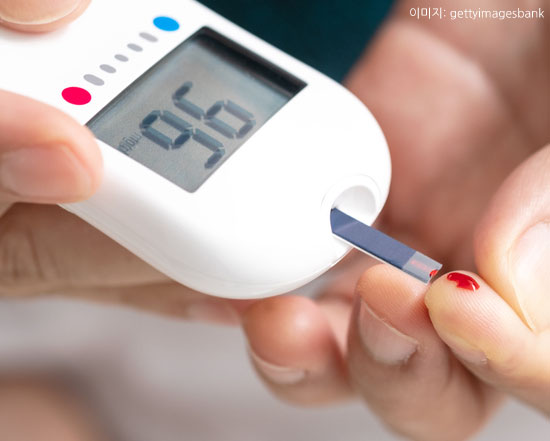
Ensoul Biosciences announced on the 16th that in an efficacy evaluation experiment of the type 1 diabetes treatment candidate 'S1K (Shiloah 1000)', administering the drug orally for 2 weeks to non-obese diabetic (NOD) mice resulted in the restoration of normal blood glucose levels.
NOD mice are an animal model in which type 1 diabetes naturally occurs due to an autoimmune response that destroys pancreatic beta (β) cells, preventing insulin secretion. Since type 1 diabetes in humans is also an intractable disease where immune cells attack and destroy pancreatic β cells, stopping insulin production, this model is widely used in type 1 diabetes research.
Ensoul Biosciences' Autoimmune Research Center conducted an animal study over the past 5 months at the Osong Advanced Medical Industry Promotion Foundation's non-clinical trial center's specific pathogen-free (SPF) animal breeding facility, using 120 NOD mice to evaluate the blood glucose-lowering efficacy of oral S1K administration. The experiment was designed with groups including a placebo (saline) control, insulin-only group, S1K-only group, and a combination group receiving both S1K and insulin. S1K was administered orally twice daily, and long-acting insulin glargine was administered subcutaneously once daily, while monitoring blood glucose changes.
The efficacy evaluation showed that blood glucose in the placebo control group increased sharply over 2 weeks. The greatest blood glucose reduction over 2 weeks was observed in the S1K and insulin combination group, followed by the S1K-only group and the insulin-only group. Notably, in the combination group, some animals' blood glucose levels decreased to normal levels (random non-fasting blood glucose measurement, below 250 mg/dL) and remained normal until the end of the experiment even after stopping drug administration. Additionally, glycated hemoglobin (HbA1c) decreased more in the combination group than in the insulin-only group, confirming more effective blood glucose control. HbA1c is a primary evaluation indicator commonly used in clinical trials of diabetes treatments.
The company stated, "These experimental results are significant in that S1K may enable fundamental treatment of type 1 diabetes," adding, "The blood glucose-lowering efficacy of oral S1K in NOD mice indirectly confirms S1K's immunosuppressive effects and demonstrates its β-cell protective efficacy." This is expected to delay the timing of insulin administration and reduce the frequency of insulin injections for type 1 diabetes patients. Currently, type 1 diabetes patients must receive insulin injections about 3 to 4 times daily for life.
Kim Hae-jin, CEO of Ensoul Biosciences, said, "It is very encouraging that S1K, which confirmed blood glucose-lowering efficacy in this animal experiment, is an oral formulation," and added, "We plan to enter clinical development of S1K as a type 1 diabetes treatment once the ongoing experiments confirming β-cell regeneration efficacy are completed."
© The Asia Business Daily(www.asiae.co.kr). All rights reserved.
![User Who Sold Erroneously Deposited Bitcoins to Repay Debt and Fund Entertainment... What Did the Supreme Court Decide in 2021? [Legal Issue Check]](https://cwcontent.asiae.co.kr/asiaresize/183/2026020910431234020_1770601391.png)