"Expressed Intent Directly During Meeting with EU Commission President"
Concerns Over Further Provocation by Russia and Worsening Inflation
U.S. President Joe Biden has directly stated that he has no intention of further lowering the price cap on Russian crude oil, despite demands from some European Union (EU) countries, according to sources cited by The Wall Street Journal (WSJ). The U.S. government is understood to be concerned about potential heightened tensions with Russia and worsening energy supply issues leading to increased inflation if the price cap is further reduced.
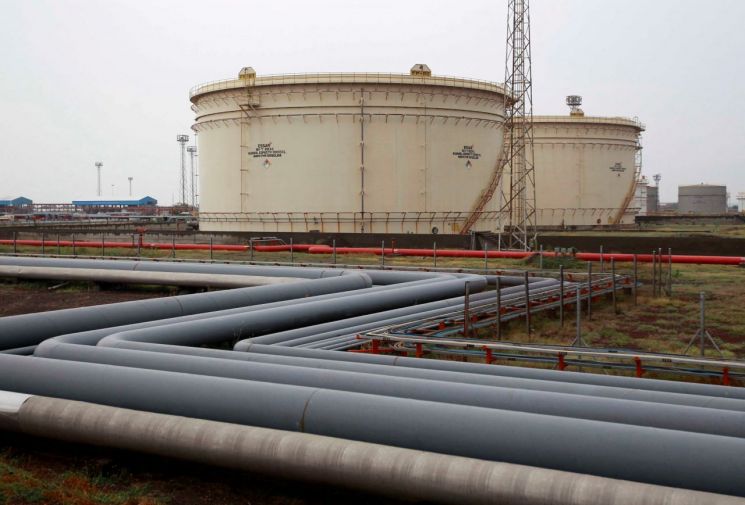
On the 15th (local time), The Wall Street Journal (WSJ) quoted sources saying, "During a meeting on the 10th at the White House with Ursula von der Leyen, President of the European Commission, President Biden directly stated that he has no intention of further lowering the price cap on Russian crude oil," adding, "The hopes of European countries advocating for a reduction in the cap are likely to be dashed."
The price cap on Russian crude oil has been implemented by EU member states and G7 countries since December 5 of last year, and the cap has been consistently maintained at $60 per barrel since its establishment. The EU and G7 countries agreed to review and decide on the cap every two months. Last month, there were movements by Ukraine and some countries to further lower the cap, but according to WSJ, these efforts were blocked by strong opposition from the United States.
Since the introduction of the price cap on Russian crude oil, Russia's external oil exports have shown a declining trend. According to Russian Ministry of Finance data from early last month, tax revenues from energy sales dropped by more than 50% compared to the same period last year.
As the effectiveness of the price cap sanctions has been demonstrated, not only Ukraine but also countries neighboring Russia have been vocally calling for a further reduction of the cap price. Recently, Poland, Lithuania, and Estonia requested the EU to lower the cap from the existing $60 to approximately $51.45, a reduction of about 5%.
However, the likelihood of an actual further reduction has significantly decreased due to the U.S. refusal to lower the cap. With the United States, the leading country of the G7, opposing the reduction, major European countries are also likely to decide to maintain the current cap. Since the EU requires unanimous agreement among its 27 member states to lower the cap, it is now considered difficult to reach a consensus.
The U.S. government refuses to further lower the cap to avoid excessive diplomatic friction with Russia and concerns over worsening inflation. However, experts warn that if the cap is not lowered now, the effectiveness of the sanctions could be completely lost.
Eddie Fishman, senior researcher at Columbia University's Center on Global Energy Policy, told WSJ, "The current price cap depends on Russia maintaining exports to the G7, so it cannot last forever," adding, "If the goal is to reduce Russia's income, leverage available now must be used."
© The Asia Business Daily(www.asiae.co.kr). All rights reserved.
![User Who Sold Erroneously Deposited Bitcoins to Repay Debt and Fund Entertainment... What Did the Supreme Court Decide in 2021? [Legal Issue Check]](https://cwcontent.asiae.co.kr/asiaresize/183/2026020910431234020_1770601391.png)
















