Six domestic pharmaceutical companies that produce and export botulinum toxin (BTX) preparations have been collectively brought to trial. This follows the prosecution's interpretation that the primary distribution in the indirect export process of toxin preparations by these companies constitutes de facto domestic sales.
The Food and Drug Crime Investigation Division of the Seoul Western District Prosecutors' Office announced on the 14th that it has non-detained indicted six pharmaceutical companies and 12 executives and employees for violating the Pharmaceutical Affairs Act by unauthorized sales of BTX preparations. The indicted companies are known to include Medytox, Hugel, Pharma Bio Research, Jetema, Korea BNC, and Korea BMI.
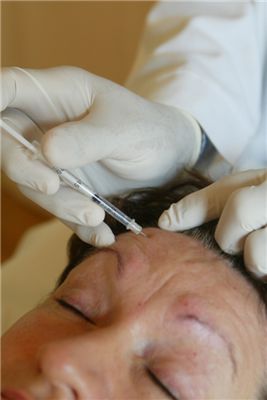 (Photo by Bloomberg News)
BTX is a highly toxic substance extracted from the botulinum bacterium. When injected under the skin, it causes a slight paralysis effect on muscles. It is used to create preparations for cosmetic purposes, such as smoothing wrinkles, as well as for medical applications. However, this substance is so lethal that just 1 gram can kill one million people.
Products containing such highly toxic substances or those that pose health and hygiene risks, like vaccines, must obtain national release approval from the Ministry of Food and Drug Safety (MFDS) before distribution. National release approval is a system that comprehensively evaluates test results and manufacturing and testing outcomes for each manufacturing unit before the product is distributed in the market, ensuring quality once more. Selling pharmaceuticals domestically without national release approval can lead to cancellation of product authorization under the Pharmaceutical Affairs Act.
However, under the Pharmaceutical Affairs Act, export products are exempt from national release approval. The BTX preparations at issue in this case are also "export-only pharmaceuticals." Export-only pharmaceuticals are those authorized to be manufactured solely for export without domestic sales. Pharmaceutical companies export BTX preparations through an indirect export method, supplying the export preparations first to domestic trading companies, which then distribute them overseas.
The prosecution and MFDS interpreted the primary supply of BTX preparations to trading companies during the indirect export process as de facto domestic sales. They judged that the paid transfer of BTX preparations to trading companies constitutes a "completed sales act" and thus falls under the scope of national release approval. A prosecution official explained, "After the exporters paid the pharmaceutical companies for the drugs, they did not inform the pharmaceutical companies about the export counterparties, export prices, or whether the products would be resold domestically," adding, "This is not part of the export process but a sale of pharmaceuticals from the pharmaceutical companies to the exporters."
Earlier, the MFDS also canceled the product authorizations for these companies' BTX preparations for the same reason. Companies such as Medytox and Hugel opposed the MFDS decision by applying for a suspension of execution and simultaneously filing administrative lawsuits to cancel the administrative sanctions in court. The court accepted the suspension of execution first, allowing the companies to continue exporting the products until the lawsuit results are finalized.
The companies brought to trial have stated their intention to actively respond through legal procedures. A Hugel representative said, "This indictment stems from a different legal interpretation of indirect exports, and we are actively presenting our position through legal procedures," adding, "Indirect export is a trade method recognized under the Foreign Trade Management Regulations, and even if pharmaceuticals are exported through domestic trading companies, these pharmaceuticals should be regarded as export-only pharmaceuticals, which is the position not only of our company but also of other government agencies and the Korea International Trade Association." They further noted, "We are actively contesting this by proceeding with administrative litigation against the MFDS."
© The Asia Business Daily(www.asiae.co.kr). All rights reserved.











