Sharing Tips from Experienced Overseas Flight Attendants
"If You Get Severe Motion Sickness, Choose Front Seats
If Sleep Is Important, Choose Window Seats"
Is there a way to make long-haul flights, where you have to sit still in an airplane seat for a long time, more comfortable? Industry veterans who have worked as flight attendants for over 20 years and spent thousands of hours on planes offer advice that is drawing attention.
1. You can skip the in-flight meal
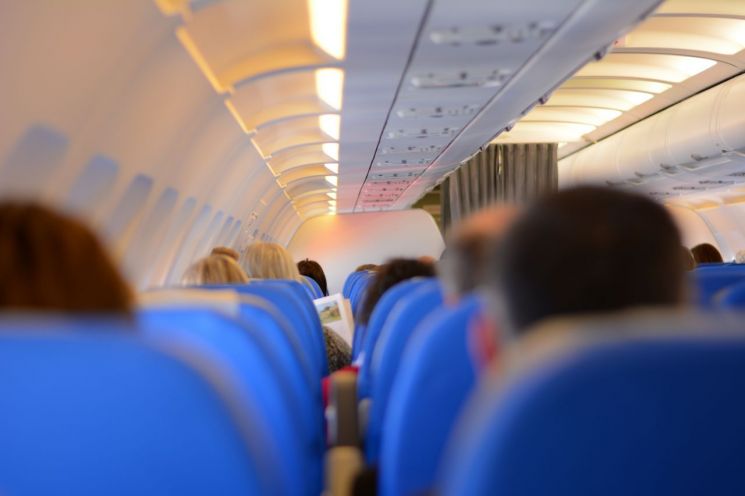
The US online travel media 'CNN Travel' revealed long-haul flight tips from Chris Major, a veteran flight attendant who worked for British Airways for 25 years. Major's first advice is that there is no need to force yourself to eat the in-flight meal.
According to Major, the airline's in-flight meal schedule does not consider the passengers' biorhythms. Passengers on long-haul flights generally experience so-called 'jet lag' as they pass through regional time zones, and there is no need to eat while already fatigued.
It is more helpful to preserve energy by catching up on lost sleep or taking personal rest time. Forcing yourself to eat the in-flight meal can even cause indigestion and other adverse effects.
Instead, Major recommends bringing your own snacks before boarding the plane. This way, you can satisfy your hunger when needed and improve your mood.
2. Bringing a personal pillow is never a bad idea
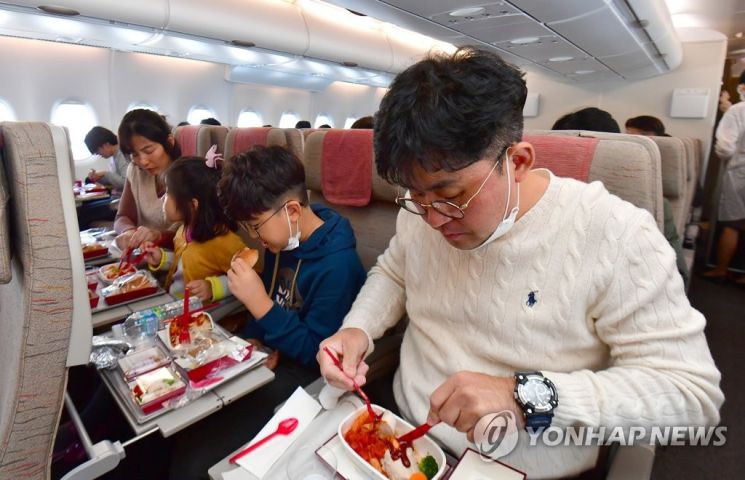 Passengers aboard Asiana Airlines' 'A380 Korean Peninsula Tour Flight' departing from Incheon Airport in 2020 are enjoying the in-flight meal service. [Image source=Yonhap News]
Most airlines provide blankets for long-haul flights. However, Major says that if you have preferred items, it is better to bring your own blanket, pillow, earplugs, etc. Especially, an eye mask that blocks light inside the aircraft is good for improving sleep quality.
A personal pillow can also be used as an 'emergency' item. Some airlines do not provide sleep aids even on long-haul flights. Major said, "Enduring a 14-hour flight without a pillow is close to a nightmare. It doesn't happen often, but it can occasionally occur," and recommended, "Bring your own pillow."
3. Avoid using the restroom just before takeoff and arrival
If you want to use the restroom comfortably, avoid certain times: just before the plane takes off and right before arrival at the destination.
The British media The Mirror, through an interview with a former flight attendant, said, "For long-haul flights, it is best not to use the restroom just before takeoff and near the end of the flight." These are peak times when many passengers use the restroom, so the chances of it being dirty are highest.
For the same reason, right after turbulence is not a suitable time to use the restroom. When passing through turbulence, the plane shakes, and all passengers must remain seated. Once the seatbelt sign is turned off, many passengers are likely to head to the restroom.
4. If you suffer from motion sickness, choose a seat at the front
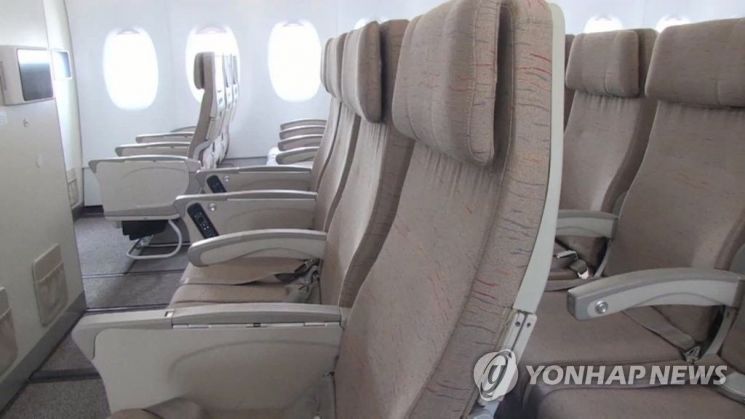
Chris also shared other useful tips for travelers on long-haul flights. He advised, "Passengers who suffer from severe motion sickness should choose seats at the front of the plane, where the movement is relatively less."
He recommended that those who prioritize sleep sit by the window. This is because passengers seated in aisle or middle seats often have to give up their seats for those going to the restroom.
5. Any small movement counts as exercise
Moving your body inside an airplane during a flight is very difficult. Your body is already secured by the seatbelt, and stretching in such a situation may cause discomfort to nearby passengers. However, Major emphasizes that even very small movements are very important.
He said, "Even just moving your toes is fine. Every movement is worth trying," and advised, "Move your legs as much as the seat space allows to keep blood flowing through your body." He added that people with vascular diseases should consult a doctor in advance.
In fact, long-haul flights negatively affect blood circulation. The World Health Organization (WHO) published research in 2017 showing that sitting still in a chair for more than 4 hours increases the risk of deep vein thrombosis (DVT). DVT is a condition where blood in vessels connected to the heart clots and blocks the vessels. It can lead to symptoms such as sudden chest pain and difficulty breathing.
© The Asia Business Daily(www.asiae.co.kr). All rights reserved.



















