Prosecutors Analyze 91 Major Sexual Crime Verdicts... Consideration of Sentencing Factors Such as 'Victim Agreement'
It has been revealed that the so-called ‘trick sentence reduction,’ where defendants submit apology letters during trials to receive leniency, is practically ineffective.
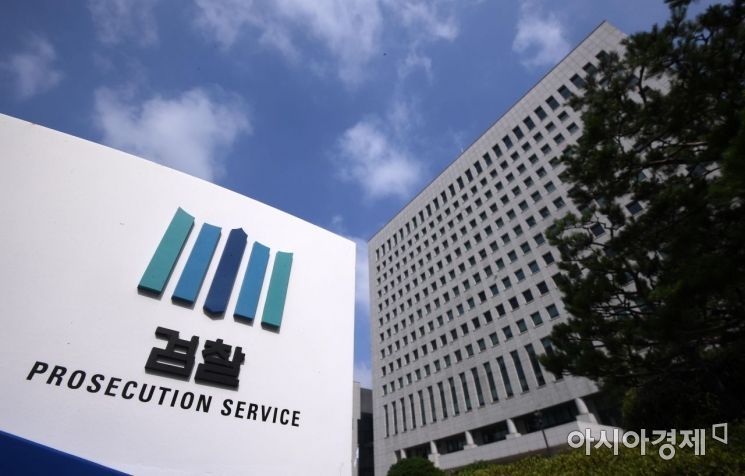
The Public Trial and Litigation Department of the Supreme Prosecutors' Office (Chief Prosecutor Kim Seon-hwa) announced on the 14th that an analysis of 91 major sexual crime case verdicts reported from June last year to last month found no cases where the court recognized the defendant's remorse based on repeated submission of apology letters or donation documents.
Among the verdicts confirmed by the prosecution, there were 27 cases where the defendant's remorse was considered a reason for sentence reduction. These included cases where the defendant confessed to the crime and reached a settlement with the victim, made efforts to restore damages such as deposits, or was a first-time offender, which were taken into account during sentencing.
On the other hand, 35 verdicts judged that remorse could not be recognized based on excuses made by the defendant during investigation or in court, or attitudes blaming the victim. There were also 29 verdicts where the defendant only confessed but did not reach a settlement or make efforts to restore damages.
To prevent trick sentence reductions, the prosecution thoroughly verified the authenticity of sentencing materials submitted by sexual offenders undergoing investigation and trial, such as settlement agreements, employment or donation certificates, medical certificates, treatment confirmations, and sexual crime prevention education completion certificates, whenever there was suspicion of forgery or manipulation, from the investigation stage through the entire trial process.
Additionally, the prosecution excluded personal circumstances of sexual offenders that cannot be considered mitigating factors under the Supreme Court sentencing guidelines from reasons for sentence reduction, and actively submitted opinions to courts to add ‘secondary victimization’ of victims as an aggravating factor in the sentencing guidelines. They also actively appealed cases where sentencing deviated from the guidelines.
A representative from the Supreme Prosecutors' Office explained, "According to the sentencing guidelines, ‘sincere remorse’ means that after investigating and judging the specific circumstances of admitting the crime and efforts to restore damages or prevent recurrence, the defendant is recognized as genuinely repentant. It is difficult to acknowledge remorse based solely on simple donation documents, education completion certificates, or repeated submission of apology letters."
© The Asia Business Daily(www.asiae.co.kr). All rights reserved.

















