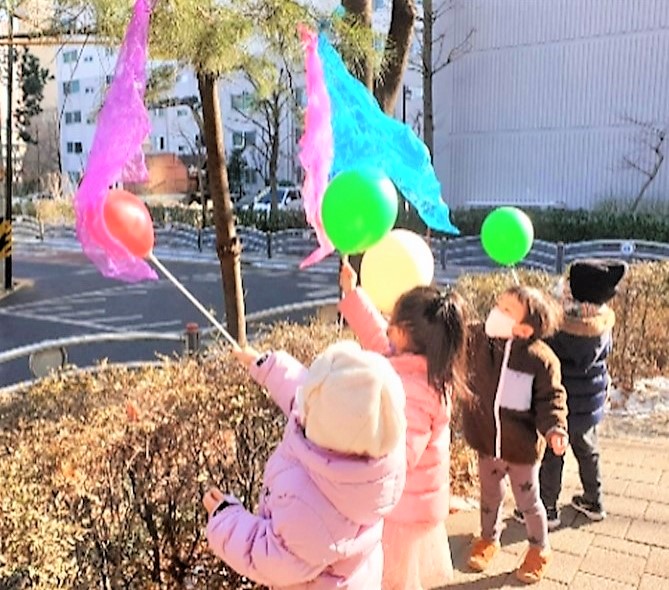
‘Seoul-type Moa Childcare Centers’ in third year of implementation… Expanded from 8 to 18 centers
Childcare communities formed by 3 to 5 public, private, and home childcare centers to reduce childcare disparities
Reduced operating costs and enriched childcare programs improve satisfaction of centers and parents
Yeongdeungpo-gu (Mayor Choi Ho-kwon) announced that with the newly selected Singil-dong zone for the 2023 ‘Seoul-type Moa Childcare Center’ project, the program has expanded to operate a total of 4 communities and 18 childcare centers since March this year.
The Seoul-type Moa Childcare Center, established as a new childcare model, is a childcare system where 3 to 5 nearby public, private, and home childcare centers form a childcare community to share childcare programs, student recruitment, teaching materials, and equipment as if they were one center.
In its third year, the district recognized the high achievements such as resolving waiting lists and improving childcare expertise, leading to the addition of 5 childcare centers in the Singil-dong zone this year. This ranks among the top in Seoul’s autonomous districts in terms of the number of participating childcare centers.
Following the pilot projects selected in 2021 in the Mullae-dong zone (Mokhwa Village, Mullae-dong, Mullae Xi, Happy Dream Childcare Centers) and Yangpyeong-dong zone (Neulhaerang, Yangpyeong 2-dong, Bandi, Hansarang Childcare Centers), and the 2022 project in the Dangsan-dong zone (Dangsan 2-dong Central I-Park Byeolha, Dangsan 2-dong Eunsol, Nam Seoul, Yeongseong, Cheongdam Montessori Childcare Centers), this year the Singil-dong zone (Singil Samsung, Wiz Kids, Neulbom Boramae SK View, Singil Hillstate Narae, Navy Sea Village Childcare Centers) is also expanding as a ‘Seoul-type Moa Childcare Center’.
Directors and teachers participating in Moa Childcare Centers meet at least once or twice a month to develop joint childcare programs and provide childcare teacher training, enhancing childcare expertise through information sharing. In particular, they create a cooperative environment to resolve waiting list issues by coordinating admissions among centers within the community.
The biggest change and achievement is that childcare programs, which were difficult to implement in small centers due to costs and staffing issues, are now being diversified, raising the standard of childcare services in private and home childcare centers within the community.
Additionally, directors improve operational efficiency, childcare teachers strengthen their capabilities, and children gain broader experiences with friends from other centers, increasing parents’ trust and satisfaction with the childcare centers.
Choi Ho-kwon, Mayor of Yeongdeungpo-gu, stated, “The Seoul-type Moa Childcare Center, now in its third year, is helping to resolve practical difficulties in childcare and improve the quality of childcare services. We will continue to expand Moa Childcare Centers and lead the creation of a child-friendly Yeongdeungpo through community childcare.”
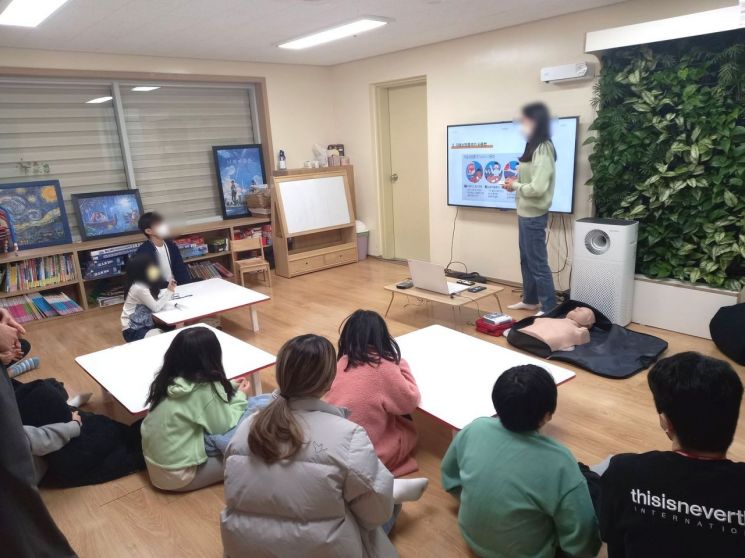
Eunpyeong-gu operates 39 after-school child care facilities… Providing comprehensive care services
Strengthening gap care with user-centered customized services
Extended operating hours and emergency/temporary care pilot projects launched this year
Eunpyeong-gu (Mayor Kim Mi-kyung) is strengthening user-tailored services at child care facilities to fill the after-school care gap for elementary students and reduce childcare burdens for working parents.
Currently, the district operates a total of 39 child care facilities, including 12 Our Neighborhood Care Centers and 27 Community Child Centers, providing public care services to 1,160 children.
This year, the district is launching pilot projects targeting child care facilities to strengthen gap care from the user’s perspective and create a convenient care environment.
Our Neighborhood Care Centers will extend mandatory operating hours until 8 p.m. during the school term. This pilot will be conducted at three locations: Eunpyeong Branch 3 (Eungam 2-dong), Eunpyeong Branch 4 (Yeokchon-dong), and Eunpyeong Branch 9 (Sinsa 2-dong). Additionally, to reduce the economic burden of meal preparation during vacations, all care centers will provide free lunch to children using the centers during vacation periods.
Community Child Centers will operate an emergency and temporary care pilot project at Eunkwang Community Child Center to respond to urgent care needs for unregistered children.
‘Our Neighborhood Care Center’ is an elementary care facility designed to reduce after-school and vacation care gaps and parenting burdens for children of working parents. Operating hours are from after school to 7 p.m. on weekdays during the school term, and from 9 a.m. to 6 p.m. during vacations. Centers are located within 10 minutes from home or school, and the monthly fee, including program and snack costs, is 50,000 KRW.
‘Community Child Centers’ provide care services for elementary and middle school students under 18 years old. They offer free comprehensive child welfare services including counseling, education, and cultural programs after school and during vacations. Operating hours are from after school to 8 p.m. during the school term, and from noon to 5 p.m. during vacations.
Meanwhile, in 2020, the district opened the first Our Neighborhood Care Center in Eunpyeong (Eunpyeong Branch 1), the first in Seoul dedicated to children with disabilities. It provides customized care services including specialized programs for children with disabilities who need care.
Kim Mi-kyung, Mayor of Eunpyeong-gu, said, “We will actively strengthen user-centered customized care by providing quality care services to children who need after-school care. We will build a comprehensive all-day care ecosystem to make Eunpyeong a great place to raise children and a happy place for children.”
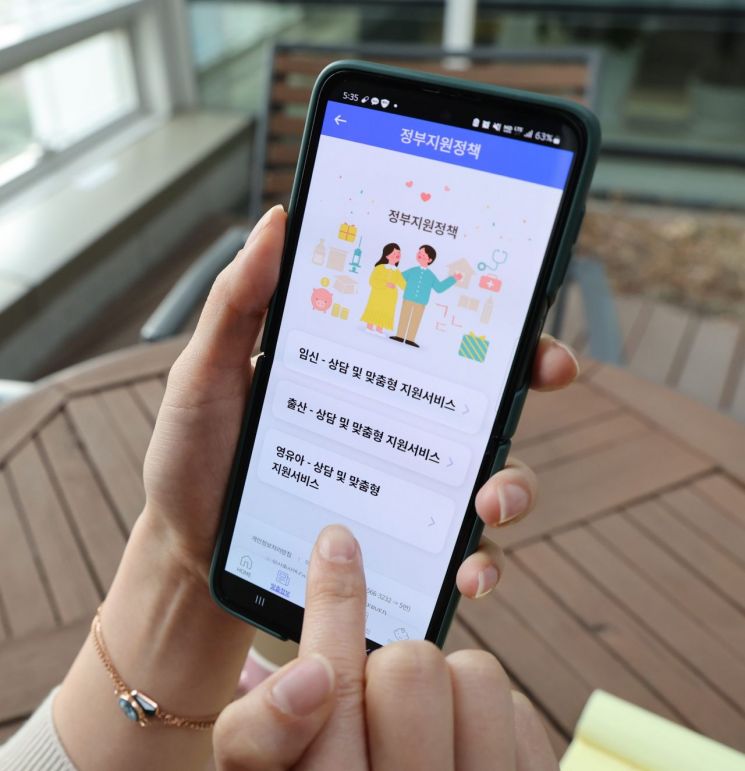
Mapo-gu launches pregnancy and childbirth mobile app ‘Imajung’
Apply for maternity support services via app and receive folic acid, iron supplements, etc. by delivery
Register as pregnant and consult on health information without visiting health centers
Mapo-gu (Mayor Park Kang-soo) announced the launch of the mobile application ‘Imajung’ that simplifies the process for pregnant women to apply for services without visiting health centers in person.
By applying for maternity support services through the ‘Imajung’ app, pregnant women can receive items such as folic acid, iron supplements, and the standard maternal and child health handbook by delivery after phone consultation with health center staff.
The district also sends informational materials about infant vaccinations, medical expense support, and the First Meeting Voucher to ensure that services for infants and pregnant women are not missed.
The ‘Imajung’ app is a service implemented by the Ministry of Health and Welfare to enhance convenience by linking pregnancy and childbirth content on mobile platforms.
The app allows pregnant women to register, apply for pregnancy and childbirth support services, receive customized health information by pregnancy week and infant age, and access government support policy information. It also features a ‘Pregnant Woman & Baby Handbook’ function that enables health record keeping and photo attachments.
Park Kang-soo, Mayor of Mapo-gu, said, “Pregnant women can now conveniently apply for registration and support services such as folic acid, iron supplements, and medical expenses through the Imajung app, which previously required visiting the health center. Mapo-gu will continue to promote support policies for pregnancy, childbirth, and childcare, including the ‘Maternity Support and Childbirth Encouragement Sunlight Center.’”
The ‘Imajung’ app is available for download on Google Play Store and Apple App Store.
© The Asia Business Daily(www.asiae.co.kr). All rights reserved.



















