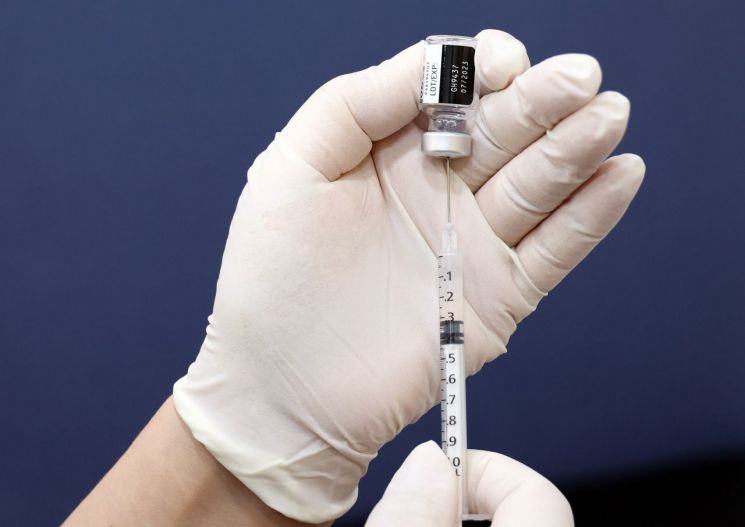
Analysis results suggest that acute transverse myelitis occurring after COVID-19 vaccination may have a causal relationship with the vaccine.
According to the quarantine authorities on the 11th, the COVID-19 Vaccine Safety Research Center recently concluded that the risk of acute transverse myelitis after AstraZeneca (AZ) vaccine and messenger RNA (mRNA) vaccine administration was statistically significantly higher. This analysis was conducted following reports of acute transverse myelitis cases during the AZ vaccine clinical trials. Accordingly, in cases of acute transverse myelitis occurring after viral vector vaccines and mRNA vaccines, support such as medical expenses has been decided through the deliberation of the Vaccination Injury Compensation Expert Committee as a "suspected related disease."
The authorities explained that there is insufficient evidence to recognize causality for Guillain-Barr? syndrome and Miller Fisher syndrome occurring after COVID-19 vaccination. When cases of these diseases were reported after AZ vaccination in the UK and other European countries initially, the World Health Organization (WHO) recommended case surveillance to countries.
Although an increased risk of acute disseminated encephalomyelitis was observed within 42 days after vaccination, it was not significant in the 21-day and 28-day intervals, indicating insufficient evidence for causality. Initial reports of acute disseminated encephalomyelitis cases in Europe were also considered, but many studies did not recognize an association with COVID-19 vaccines.
Cases of multiple sclerosis occurring after COVID-19 vaccination have been reported not only in Korea but also in the United States, Germany, and other countries. However, the authorities judged the evidence insufficient because the risk of multiple sclerosis occurrence was lower in the risk period (within 30 days) compared to the control period, and prior studies indicated that COVID-19 vaccination is safe for multiple sclerosis patients.
Thrombotic diseases without thrombocytopenia also showed no increased risk within the risk period (within 42 days). Analysis through a simulated clinical trial also showed that the risk of disease occurrence in the vaccinated group was lower than in the unvaccinated group.
Herpes zoster occurring after vaccination showed an increased risk of disease occurrence in the risk period when considering monthly incidence rates; however, the authorities stated, "Inconsistent results were derived by vaccination dose and age group, so further review is necessary."
© The Asia Business Daily(www.asiae.co.kr). All rights reserved.
!["The Woman Who Threw Herself into the Water Clutching a Stolen Dior Bag"...A Grotesque Success Story That Shakes the Korean Psyche [Slate]](https://cwcontent.asiae.co.kr/asiaresize/183/2026021902243444107_1771435474.jpg)
















