47% of Companies Plan Cuts
Increase in Reduction of Childcare Benefits
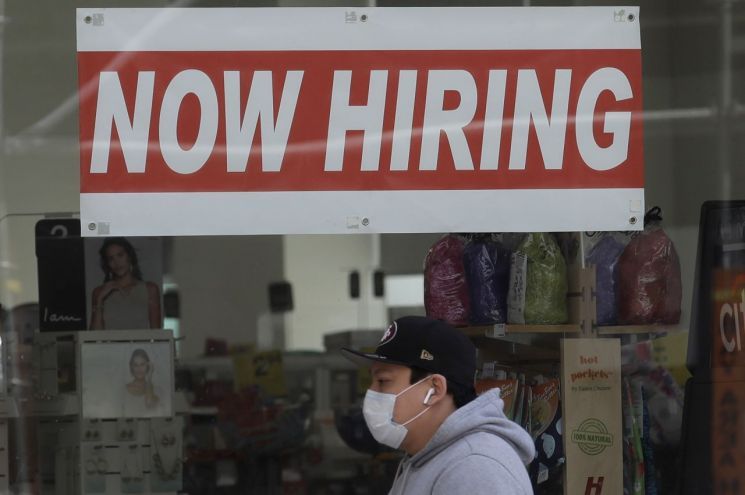
According to the Wall Street Journal (WSJ), American companies struggling with poor performance and an economic downturn plan to significantly cut welfare expenses such as childcare benefits for dual-income employees.
On the 9th (local time), a report released by Care.com, an online site related to caregiving and household services in the U.S., stated that among 500 American companies, 47% plan to reduce employee welfare expenses this year. Only 9% of respondents said they would increase welfare benefits.
Among these, childcare benefits were identified as the welfare benefits most likely to be reduced or eliminated this year. The food, retail, manufacturing, and construction sectors were identified as the industries most likely to cut childcare benefits.
WSJ noted that in a situation where the childcare sector is suffering from labor shortages, companies reducing welfare benefits would place a significant burden on employees.
According to the U.S. Bureau of Labor Statistics, the number of childcare workers, which exceeded 1 million in 2020, decreased to 992,000 last month. WSJ expressed concern, stating, "Workers in childcare-related industries have not fully returned to their jobs since COVID-19," and "reductions in childcare benefits by companies will sharply increase the burden that employees raising children have endured for years."
As childcare benefits decrease, the number of people quitting their jobs is also expected to rise. ReadyNation, a company providing solutions related to work and childcare balance, surveyed 806 parents and found that 26% of respondents said they would quit their jobs due to childcare issues.
Experts analyze that the reason companies are cutting welfare benefits instead of layoffs despite the recession is because they fear labor shortages will return once the economy improves. In other words, companies that experienced severe labor shortages during the COVID-19 period chose to maintain their workforce by reducing various bonus benefits rather than laying off employees. Ryan Sweet, Chief Economist at Oxford Economics, explained, "Some companies are laying off workers, but more companies are choosing to reduce working hours while maintaining wages instead of layoffs."
However, Care.com pointed out that increasing welfare expenses would be more helpful for companies to retain their workforce. When companies provide childcare and family caregiving benefits to employees, workers are less likely to leave their jobs. Care.com stated, "When welfare builds employee loyalty, turnover rates decrease," and "companies can save an average of $1,700 annually just by increasing welfare benefits to prevent employee turnover."
© The Asia Business Daily(www.asiae.co.kr). All rights reserved.
!["The Woman Who Threw Herself into the Water Clutching a Stolen Dior Bag"...A Grotesque Success Story That Shakes the Korean Psyche [Slate]](https://cwcontent.asiae.co.kr/asiaresize/183/2026021902243444107_1771435474.jpg)
















