Changes in Leadership of Central Banks in the US, China, and Japan
US 'Dove' Brainard Steps Down, Hawkish Shift
China's People's Bank Expected to Ease Monetary Policy for Economic Recovery
New Japanese Governor to Assume Office Next Month... Gradual Rate Hikes Anticipated
With Lael Brainard, a leading 'dove' (favoring monetary easing) at the U.S. Federal Reserve (Fed), stepping down as Vice Chair, and central banks in China and Japan also preparing for leadership changes, attention is focused on how these developments will impact the South Korean economy. Since the monetary and financial policies of the U.S., China, and Japan significantly influence South Korea’s economy as well as its financial and foreign exchange markets, the Bank of Korea, which is deeply considering its future benchmark interest rate decisions, is closely monitoring these changes.
'Dove' Leaves U.S. Fed... Becoming More Hawkish
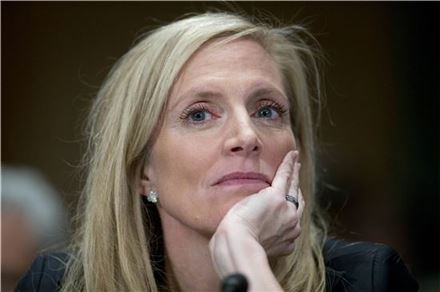 Lael Brainard Former Vice Chair of the U.S. Federal Reserve (Fed)
The Fed will hold the Federal Open Market Committee (FOMC) meeting on the 21st and 22nd without Brainard, who has moved to the position of Chair of the White House National Economic Council (NEC). Brainard was a figure who exerted strong influence within the FOMC and was considered a representative dove within the Fed. She had advocated for slowing the pace of rate hikes, emphasizing that it takes time for the effects of rapid tightening to materialize.
Therefore, many analysts believe that Brainard’s absence will strengthen the Fed’s hawkish (favoring monetary tightening) stance. Junwoo Park, a researcher at KB Securities, explained, "Since April last year, Brainard emphasized flexibility in monetary policy and was the most dovish member," adding, "After Brainard’s resignation, the tendencies of Fed members have become more hawkish."
In fact, the Fed has recently increased calls for prolonged tightening due to persistently high inflation and a strong labor market. Fed Chair Jerome Powell stated at a Senate hearing on the 7th (local time), "Recent economic indicators have been stronger than expected, suggesting that the terminal rate may be higher than previously projected," and reiterated the day before, "We are prepared to raise the pace of rate hikes."
If the Fed opts for a 'big step' (0.50 percentage point increase) instead of a 'baby step' (0.25 percentage point increase) this month, or signals that the terminal rate will exceed the mid-5% range, the Bank of Korea’s Monetary Policy Committee, which held rates steady last month, will inevitably face increased pressure. A stronger dollar pushing up the won-dollar exchange rate would raise South Korea’s import prices, and the widening interest rate differential between Korea and the U.S. could lead to capital outflows.
Leadership Change at China’s People’s Bank... Focus on Monetary Easing
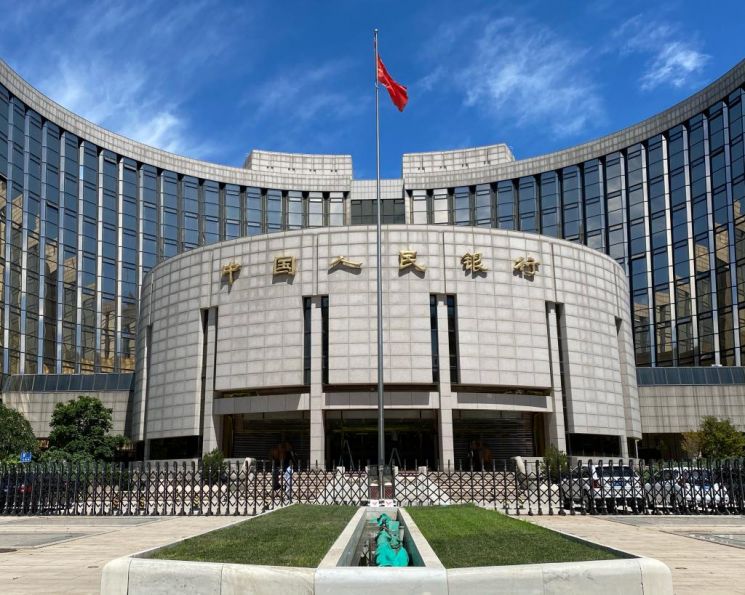
China’s central bank, the People’s Bank of China (PBOC), is also preparing for a leadership change. China is currently holding the annual session of the National People’s Congress (NPC), attended by President Xi Jinping and over 2,900 representatives. During this session, the appointments for the top two positions at the PBOC?the Party Committee Secretary (the highest-ranking official) and the Governor (second in rank)?will be finalized. The Party Secretary reflects the Communist Party’s intentions in the PBOC’s monetary policy.
Currently, He Lifeng, the current Chairman of the National Development and Reform Commission, is being considered for the Party Secretary position, and Zhou Hexin, Chairman of Zhongxin Group, a major Chinese financial firm, is a candidate for Governor. Since He Lifeng is classified as a close aide to President Xi, foreign media speculate that this appointment will significantly strengthen the Communist Party’s control over the financial sector. Given that the government has set this year’s economic growth target at around 5% and is aiming for recovery, the PBOC is also likely to pursue accommodative monetary policies.
PBOC Governor Yi Gang stated at a press conference on the 3rd, "The PBOC will provide mandatory financial support for stable and sound economic development." A revival of the Chinese economy would positively impact South Korea’s semiconductor exports and other sectors. However, China’s growth could also drive up international oil prices, further fueling inflation in South Korea. Some analysts suggest that since the Fed is currently tightening to curb inflation, China may avoid excessive stimulus to prevent capital outflows and risks of yuan depreciation, adding to the uncertainty.
Therefore, the Bank of Korea is expected to comprehensively assess factors such as China’s growth recovery pace, international oil prices, and yuan-dollar exchange rate trends before judging the impact on the Korean economy. In its monetary and credit policy report released the previous day, the Bank of Korea emphasized, "The resumption of economic activity in China and U.S. monetary policy may also influence the domestic inflation slowdown trend," and stressed the need to "carefully monitor major domestic and external risk factors."
Kazuo Ueda Appointed Governor... End of Japan’s Monetary Easing
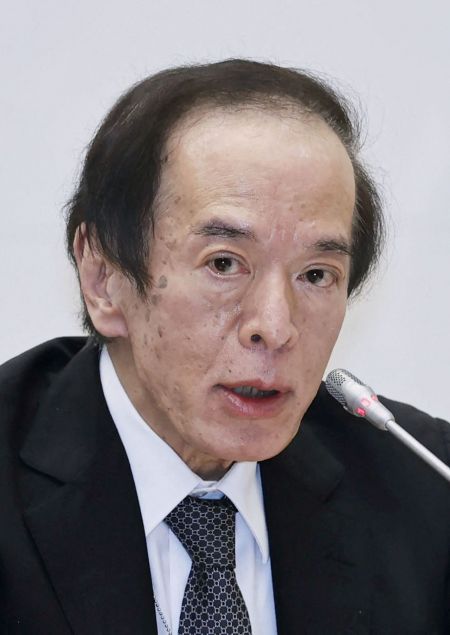
Kazuo Ueda, a former professor of economics at the University of Tokyo, has been appointed as the new Governor of the Bank of Japan (BOJ). The Japanese House of Representatives approved Ueda’s nomination by a majority vote at a plenary session held the previous day. He is set to begin his five-year term on the 9th of next month, succeeding Governor Haruhiko Kuroda. Although Ueda stated during the parliamentary hearing that he would maintain monetary easing policies for the time being, the prevailing view is that the core 'Yield Curve Control (YCC)' policy of Abenomics has reached its limits, making some policy shifts inevitable.
Ji-pyung Lee, a special professor at Hankuk University of Foreign Studies, said, "It will not be easy for Governor Ueda to implement policy changes immediately upon taking office; he will gradually seek changes." He added, "This year, efforts will be made to raise the long-term government bond yield target from 0.5% to 0.8%, and by next year, the YCC policy itself may be phased out. The negative interest rate may also be gradually shifted to positive." Professor Lee explained, "This normalization of distorted interest rates will weaken the unconditional yen depreciation trend and could have a positive effect on our exchange rate."
The Bank of Korea will decide on whether to raise interest rates at the Monetary Policy Committee meeting next month after observing the monetary policies of major countries including the U.S. Prolonged tightening in the U.S., rising oil prices due to China’s growth recovery, and intensifying inflation are factors favoring rate hikes, while exchange rate stability and economic slowdown increase the possibility of holding rates steady. Deputy Governor Lee Sang-hyung said at a briefing on the monetary and credit policy report the previous day, "We will comprehensively consider the results of upcoming U.S. FOMC meetings, domestic economic indicators, and inflation data to determine the necessity of additional rate hikes."
© The Asia Business Daily(www.asiae.co.kr). All rights reserved.













