Burger King, McDonald's, Lotteria, and Others Recently Raise Prices Simultaneously
Industry Cites "Rising Raw Material Costs" as Reason for Price Hikes
Experts Say "Burden Shifted to Consumers Without Cost Reduction Efforts"
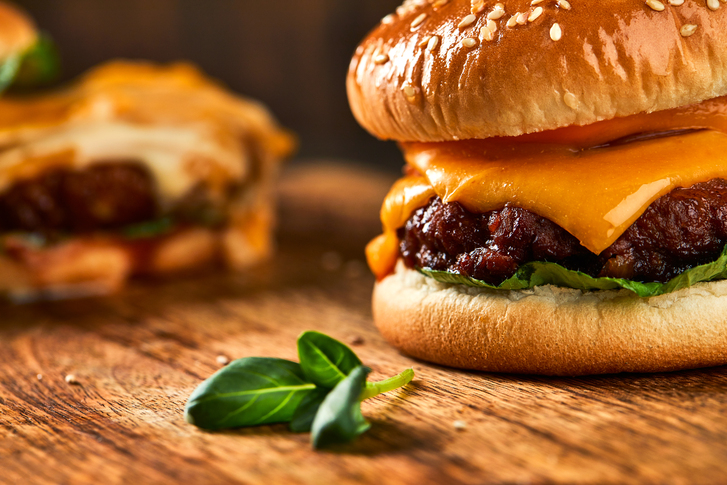
#Office worker A, who lives alone in Seoul, was recently surprised when he stopped by a franchise hamburger restaurant with his colleagues for lunch and saw the price list. Since hamburgers are relatively affordable dining items, he entered without much burden, but he could not hide his embarrassment at the nearly 10,000 won price for a set consisting of one hamburger, French fries, and a drink. A said, "Although it is natural for dining prices to rise due to various factors, even the price of hamburgers, which were considered 'cost-effective' food, feels expensive, increasing the burden of eating out."
In the past month, six major domestic hamburger franchise brands (Mom's Touch, McDonald's, Lotteria, Burger King, KFC, No Brand Burger) have simultaneously raised their prices, intensifying consumers' price burdens in what is being called 'Burgerflation' (hamburger + inflation).
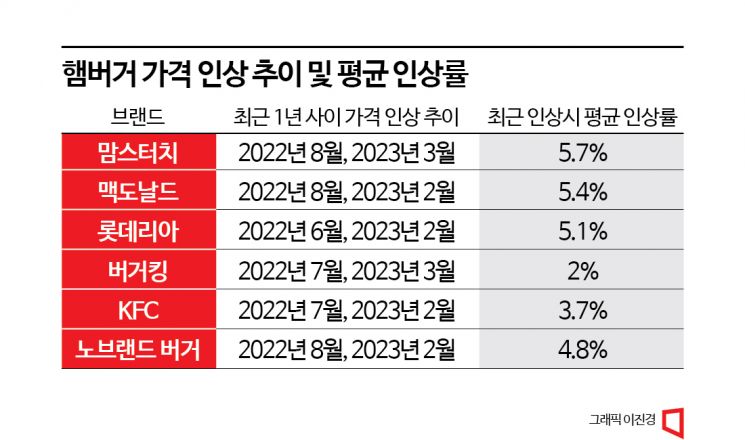
According to the distribution industry on the 10th, Burger King raised the prices of 47 menu items, including 32 types of burgers and 15 side menus and drinks, by an average of 2.0% starting that day. The representative menu, the Whopper, increased from 6,900 won to 7,100 won, a 200 won rise (2.9%), and the Whopper Junior rose from 4,600 won to 4,700 won, a 100 won increase (2.2%). Earlier, Mom's Touch raised prices on 43 menu items by an average of 5.7% starting the 7th, and Lotteria, McDonald's, and No Brand Burger also raised prices on major menu items by an average of 4.8?5.4%. KFC increased prices on some burgers and chicken menus by 100 to 200 won.
Hamburger companies say that price increases are inevitable due to significant rises in ingredient costs, labor costs, and public utility fees, which are part of store operating expenses.
According to the Seoul Agricultural & Marine Products Corporation, as of the 8th, 10 kg of tomatoes (premium grade) traded at an average of 39,269 won. This is a 9.67% increase compared to March 8 last year (35,806 won). Due to the global logistics crisis, the supply instability of frying potatoes has continued, causing potato prices to rise even more sharply. On the 8th, 20 kg of potatoes (premium grade) cost 75,429 won, a whopping 68.71% increase compared to the same day last year (44,710 won).
As of January this year, the consumer price index for the energy sector showed electricity at 136.4 and gas at 129.2, rising 29% and 33% respectively from the previous month.
Typically, hamburger fast-food companies have maintained a price increase cycle of about once a year. However, recently, this cycle has accelerated to about once every 6 to 8 months. They point to rising raw material prices due to COVID-19, Russia's invasion of Ukraine, minimum wage increases, and higher electricity, gas, and water fees as reasons for the faster price increase cycle.
In particular, franchise companies with a high ratio of franchise stores say that because they need to consider franchisees' profits, raising prices is an unavoidable choice from the perspective of cost reduction.
On the other hand, experts criticize the shortening price increase cycle of hamburger companies, saying that rather than trying to suppress price hikes through efficient cost management, they are taking the easy route of raising selling prices and passing the burden onto consumers.
Professor Eunhee Lee of Inha University's Department of Consumer Studies said, "Consumers tend to cut back on dining out when the economic situation is bad, so if hamburger companies raise prices, it makes consumers more hesitant, which is not a good strategy," adding, "It would be better if they showed efforts to minimize price increases through professional and innovative management, such as importing ingredients, managing inventory, and purchasing and stockpiling ingredients when prices are low."
© The Asia Business Daily(www.asiae.co.kr). All rights reserved.
![Clutching a Stolen Dior Bag, Saying "I Hate Being Poor but Real"... The Grotesque Con of a "Human Knockoff" [Slate]](https://cwcontent.asiae.co.kr/asiaresize/183/2026021902243444107_1771435474.jpg)

















