The Japanese government has begun coordinating to lift semiconductor material export restrictions against South Korea if the South Korean government withdraws its World Trade Organization (WTO) complaint, Yomiuri Shimbun reported on the 5th.
According to the report, the governments of Japan and South Korea are considering a plan to simultaneously implement the lifting of semiconductor material export restrictions and the withdrawal of the WTO complaint in line with resolving the compensation issue for forced laborers mobilized during the Japanese colonial period (Jingyong).
In July 2019, the Japanese government tightened export controls on three semiconductor-related items to South Korea, and in August of the same year, removed South Korea from the 'white list' of countries receiving preferential export treatment.
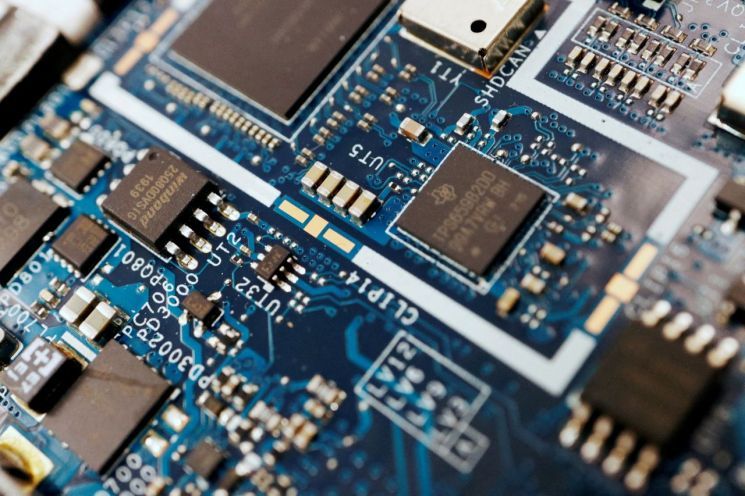
At the time, Japan explained these measures as a 'security response,' but they were interpreted as retaliatory actions in response to South Korea's Supreme Court ruling ordering Japanese companies to compensate forced labor victims. The South Korean government filed a complaint with the WTO in September 2019, claiming Japan's semiconductor material export restrictions were unfair measures.
Yomiuri reported that the Japanese government believes that if South Korea announces a solution acceptable to Japan regarding the forced labor issue, an environment conducive to lifting the export restrictions will be created.
Yomiuri stated, "Since the issue has been pending at the WTO following South Korea's complaint, Japan is demanding the withdrawal of the complaint before lifting the restrictions," and "South Korea is leaning toward accepting the lifting and withdrawal to occur almost simultaneously."
The South Korean government is expected to officially announce on the 6th a forced labor resolution plan, in which the Foundation for Supporting Victims of Forced Mobilization under the Ministry of the Interior and Safety will secure funds to pay the compensation awarded by the 2018 Supreme Court ruling to the plaintiffs, instead of the Japanese defendant companies.
© The Asia Business Daily(www.asiae.co.kr). All rights reserved.
!["The Woman Who Threw Herself into the Water Clutching a Stolen Dior Bag"...A Grotesque Success Story That Shakes the Korean Psyche [Slate]](https://cwcontent.asiae.co.kr/asiaresize/183/2026021902243444107_1771435474.jpg)
















