AI Model Using Chest X-ray
Severity Assessment and Acute Respiratory Distress Syndrome Risk Prediction
Boramae Hospital announced that Professor Hyunwoo Lee of the Department of Pulmonology and Professor Kwangnam Jin of the Department of Radiology, through joint research with Seoul National University College of Medicine and Gwangju Institute of Science and Technology, have developed a 'prognostic prediction model for COVID-19 patients' based on an artificial intelligence (AI) model and clinical variables.
This study aimed to create an AI model that predicts early recovery, severe disease, and acute respiratory distress syndrome (ARDS) in COVID-19 patients and to validate the model with an external cohort.
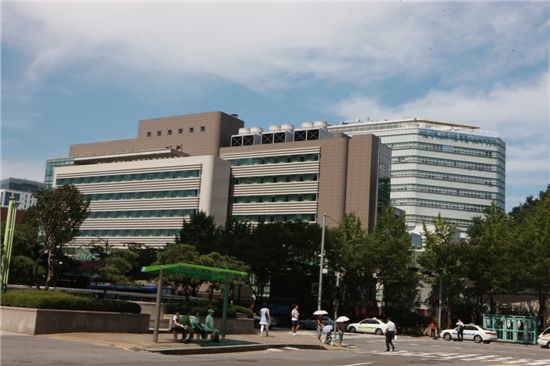 Seoul Metropolitan Boramae Hospital exterior view.
According to the research team, chest radiography (CXR) has not been useful for assessing the severity of the coronavirus, so most studies have developed prognostic prediction models using patients' clinical information and chest CT scans. However, during the pandemic, as the number of patients rapidly increased, CXR was widely used due to its relative portability and low cost.
The research team conducted blood tests and anteroposterior chest radiography within 24 hours of admission for COVID-19 inpatients from February to October 2020, then used these patients' CXR images and clinical information for model training and internal testing. Furthermore, external testing was conducted using data from 1,206 COVID-19 patients admitted to 17 medical institutions nationwide.
Analysis of clinical information showed that patients with ▲hypertension ▲chronic liver disease ▲those receiving corticosteroid treatment ▲and those with low lymphocyte counts were less likely to be discharged within two weeks. Patients requiring oxygen supplementation were elderly and had hypertension, diabetes, or dyspnea, and those who were elderly, had dyspnea, or had high procalcitonin levels were more likely to develop acute respiratory distress syndrome.
The research team developed and trained three models: ▲an AI model based on CXR images (Model 1), ▲a logistic regression model based on clinical information (Model 2), and ▲a combined model of the AI model and clinical information (Model 3), to predict hospitalization duration of less than two weeks, oxygen supplementation status, and severity of acute respiratory distress syndrome. Comparison among the models showed that Models 1 and 2 could reliably predict acute respiratory distress syndrome. Model 3 demonstrated excellent performance in predicting severe disease and acute respiratory distress syndrome in COVID-19 patients.
Professor Hyunwoo Lee of the Department of Pulmonology stated, "This prediction model will help classify severity and timely identify patients who may progress to respiratory failure," but added, "Considering that the predictive accuracy of the AI model using CXR is lower than that of the model combining clinical information, it is premature to predict the prognosis of COVID-19 patients using CXR alone."
He further emphasized, "Since acute respiratory distress syndrome (ARDS) has high mortality and morbidity, it is important to detect and treat high-risk patients early."
The results of this study, conducted with support from the Ministry of Health and Welfare, were recently published in the international SCIE-level journal, the Journal of Medical Internet Research.
© The Asia Business Daily(www.asiae.co.kr). All rights reserved.
![User Who Sold Erroneously Deposited Bitcoins to Repay Debt and Fund Entertainment... What Did the Supreme Court Decide in 2021? [Legal Issue Check]](https://cwcontent.asiae.co.kr/asiaresize/183/2026020910431234020_1770601391.png)














