Experiment to Implant Computer Chip in Brain Underway
FDA Halts Progress... Clinical Plan for First Half of Year Disrupted
Elon Musk, CEO of Tesla, who was pushing forward with experiments to implant chips into the human brain, has reportedly been denied approval by U.S. health authorities.
On the 2nd (local time), major foreign media outlets cited seven current and former employees of Neuralink, the neurotechnology startup founded by Musk, reporting this news. The employees stated that the U.S. Food and Drug Administration (FDA) rejected the approval for the experiment Neuralink applied for in early last year.
Musk founded Neuralink in 2016, a startup developing technology and related devices to connect the human brain with computers. Neuralink is developing a brain-computer interface (BCI) that inserts computer chips into the brain to connect with computers, aiming to build a system that can control various devices using only a person's thoughts.
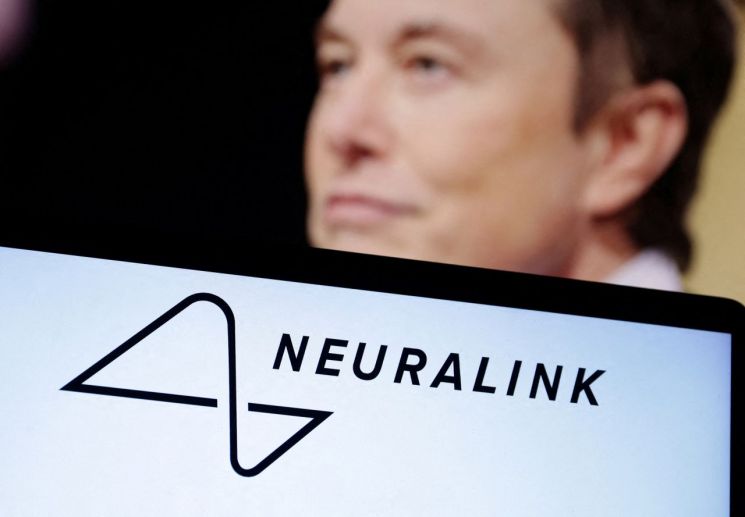
Since founding Neuralink, Musk has mentioned the experiment to implant chips into the human brain several times. According to employees, Neuralink only requested approval from authorities for this experiment last year but was ultimately rejected.
The FDA reportedly pointed out dozens of issues that Neuralink must resolve before starting human trials in the U.S.
In particular, concerns were raised that the wires of the brain chip could move to other areas of the test subject’s brain, and that the chip could overheat and damage tissue. Additionally, questions were raised about how to remove the implanted chip without damaging the brain.
Neuralink employees stated that these issues "cannot be resolved in the short term." Musk had announced at a Neuralink technology presentation in November last year that "clinical trials of the BCI system are scheduled to begin within six months."
However, due to the FDA’s denial, this plan has been delayed. For example, Synchron, which implants chips in patients with severe paralysis, reportedly received approval only five years after applying for human trials.
Neuralink is currently continuing experiments on animals such as pigs and monkeys. Foreign media estimated that since 2018, over 1,500 animals, including more than 280 sheep, pigs, and monkeys, have died as a result of Neuralink experiments.
Because of this, Neuralink is reportedly under investigation by the U.S. federal prosecutors for allegations of unnecessarily sacrificing and abusing a large number of animals. Additionally, the transportation authorities are investigating suspicions that implant devices, presumed to be contaminated by sick primates, were transported without following proper procedures.
© The Asia Business Daily(www.asiae.co.kr). All rights reserved.

















