Integrated Management System Construction, etc.
The Ministry of the Interior and Safety announced on the 2nd that, as a follow-up measure to the government-wide 'Comprehensive Plan for the National Safety System Reform,' it plans to further strengthen the on-site operability of the 'Crisis Management Manual' to ensure it functions properly during disaster situations.
The main contents for enhancing the manual's on-site operability are broadly divided into ▲ establishment of an integrated manual management system, ▲revision of the manual, ▲and training based on the revised manual.
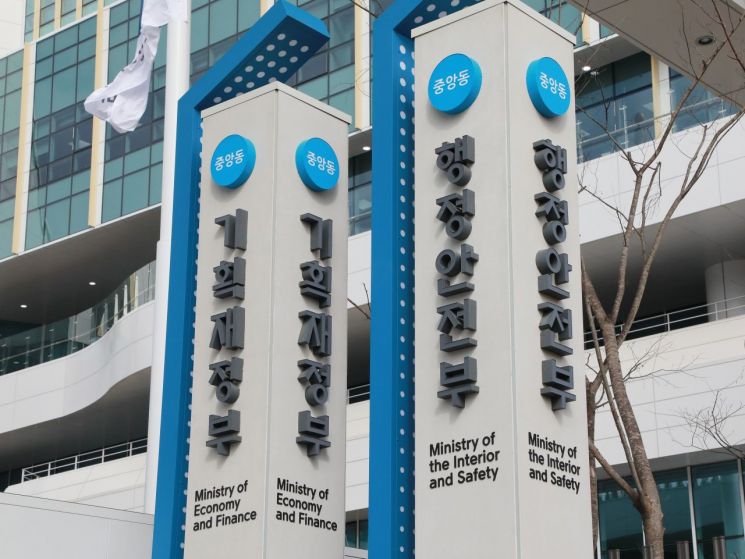
First, the 41 manuals that have been written and managed in paper form will be systematically integrated and managed through a digital management system (hereinafter referred to as the ‘system’), which will be established within this year.
In addition, along with the system establishment, key contents that need urgent application to frontline sites will be actively identified and the manual will be revised accordingly.
Finally, government-wide disaster preparedness training, including proactive drills for new types of disasters, will be conducted based on scenarios following the revised manual.
The Ministry of the Interior and Safety will continuously identify tasks that require changes in laws and systems during disaster training processes along with manual improvements, and the identified tasks will be thoroughly reviewed for consistency with the manual in advance to ensure smooth application in disaster training as well. Since unexpected disasters and major accidents can occur anytime and anywhere, even before changing laws or systems, these will first be reflected in the manual to promptly strengthen the government-wide disaster response capabilities.
Kim Seong-ho, Director of the Disaster Safety Management Headquarters at the Ministry of the Interior and Safety, stated, “The crisis management manual and disaster response training have been core elements of South Korea’s disaster response for over 20 years,” adding, “In the current situation where the risks of new and complex disasters are increasing due to climate change, aging infrastructure, and an aging population, we will continuously improve the manual and conduct training based on it to ensure it functions properly as a key means to protect the lives and safety of the people during disasters.”
© The Asia Business Daily(www.asiae.co.kr). All rights reserved.

















