Pilot Operation in Incheon, Daejeon, Gyeonggi, Jeonnam, and Gyeongbuk
Establishment of 7 Hub-Type Care Centers with Vehicle Support, etc.
Starting next month, 'Neulbom Schools' providing morning and evening care as well as after-school programs will be operated at 214 elementary schools nationwide.
On the 27th, the Ministry of Education and the education offices of Incheon, Daejeon, Gyeonggi, Jeonnam, and Gyeongbuk announced that pilot operations of Neulbom Schools will be conducted at a total of 214 elementary schools starting next month.
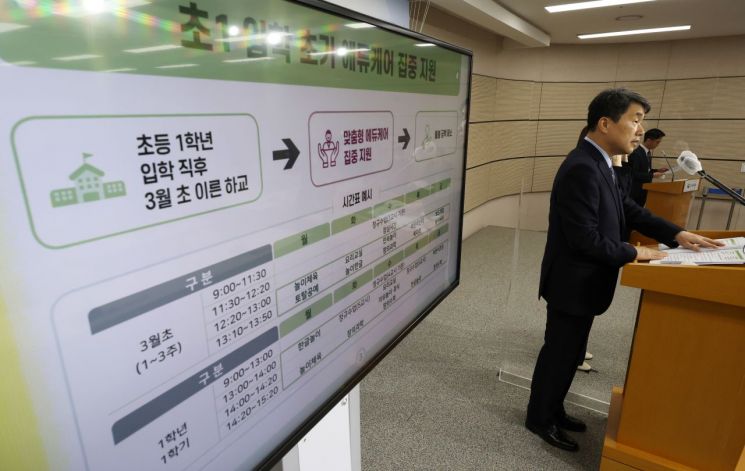
By region, 30 schools in Incheon will participate in Neulbom Schools, operating an intensive support program for first graders for up to one semester, and all Neulbom Schools will allow students who arrive early to participate in programs such as reading classes. An attendance management system will be introduced in all care classrooms to strengthen safety management, and one dedicated staff member will be assigned per Neulbom School to support administrative tasks.
In Daejeon, the first-grade EduCare program (Saebom Classroom) will be conducted throughout all elementary schools in the region for the month of March, and 20 Neulbom Schools will operate the program during the first semester (March to June). The education office will form a 'Silver Care Support Team' utilizing retired personnel starting in April to provide evening care until 8 p.m. at the latest for students in grades 1 to 6 at Neulbom Schools who urgently need care.
In Gyeonggi Province, 80 elementary schools will provide various after-school programs, gap-time care, and morning care according to each school's circumstances. In particular, the 'One More Program' will be operated, which offers additional curriculum programs linked with edutech to students enrolled in after-school programs. After-school schools connected with local community organizations will also be operated on weekends and during vacations to support care for elementary students in underserved areas and career education for elementary, middle, and high school students.
Jeollanam-do has selected 43 elementary schools for pilot operation and will implement programs divided into 'rural type,' focusing on after-school programs, and 'urban type,' supporting various care services. An intensive first-grade EduCare support program will also be operated for 16 schools, including oversized and overcrowded schools where first graders have difficulty using care classrooms, as well as general schools that wish to participate. Especially, to provide high-quality after-school programs to rural-type schools, starting in April, a 'Jeonnam Specialized Program' will be operated by forming a pool of instructors in AI, software (SW), and cultural arts through agreements with local universities and companies.
Gyeongsangbuk-do will operate programs suitable for the characteristics of rural and urban areas at 41 Neulbom Schools. Starting in March, a 'First Grade Sprout Care' program will be operated for two weeks at the beginning of the school year for new students, and morning care will be provided at 23 schools utilizing parents, volunteers, and retired teachers.
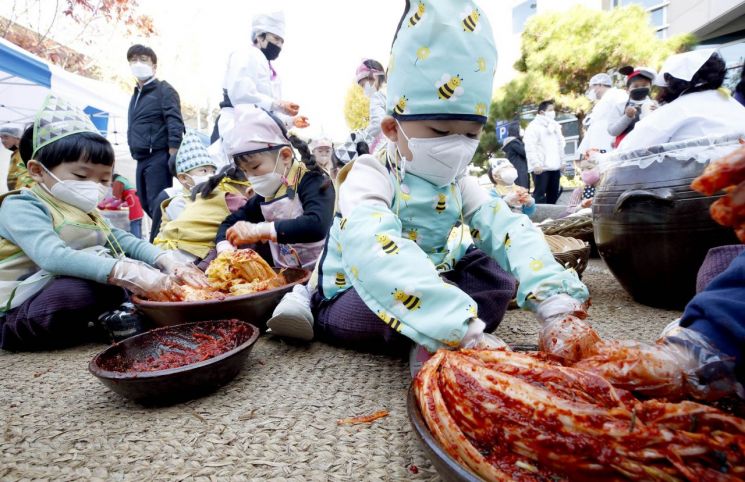
Separately, the Ministry of Education plans to establish a total of seven 'Hub-type Care Institutions' (Incheon, Gyeonggi, Jeonnam, Gyeongnam, Gyeongbuk, and two locations in Jeju) to enable joint responses at the regional level when schools cannot fully accommodate after-school and care demands. Vehicles will be provided to these hub-type care institutions to absorb students from nearby schools, and students wishing to use care services during vacations, Saturdays, and occasional or gap-time care will be able to do so.
Various after-school programs in digital education, culture, arts, and sports will also be supported in connection with related organizations by expanding the 'Digital Sprout Camp,' which offers AI and SW programs during vacations, to weekends.
Additionally, to reduce school administrative burdens, 69 education office officials will be assigned to after-school and Neulbom Support Centers in five pilot education offices, and administrative staff, temporary teachers, and volunteers will be assigned to schools that wish to receive support.
Based on the pilot operation, the Ministry of Education plans to expand Neulbom Schools nationwide starting in 2025.
Lee Ju-ho, Deputy Prime Minister for Social Affairs and Minister of Education, stated, "For the 214 Neulbom Schools to operate stably in the field, efforts and interest from not only education offices and schools but also local communities are necessary," adding, "The government will also improve policies through support and communication."
© The Asia Business Daily(www.asiae.co.kr). All rights reserved.


















