Plan to Complete the Global Biotechnology Research Center Within the Year
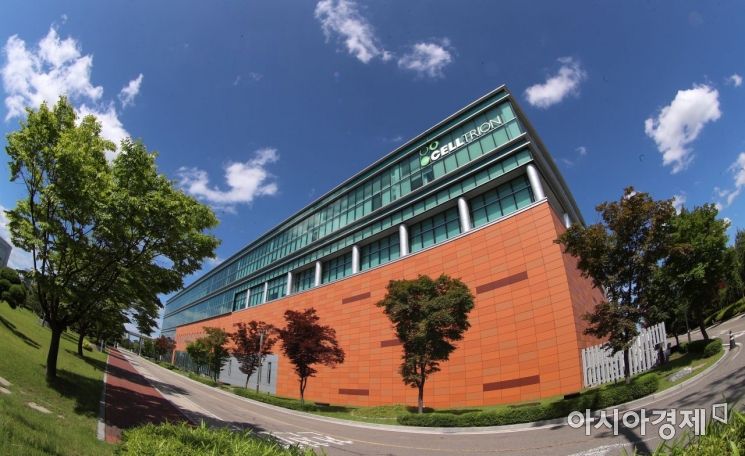
[Asia Economy Reporter Lee Chun-hee] Celltrion is set to secure new growth engines this year by developing various new drugs beyond biosimilars. The company is acquiring diverse platforms and pipelines, including antibody-based new drug pipelines, antibody-drug conjugates (ADC), bispecific antibodies, microbiomes, and oral antibody therapeutics. To this end, Celltrion plans to complete its Global Biotechnology Research Center within this year to enhance its new drug development capabilities.
First, Celltrion has recently embarked on the development of ADC anticancer drugs, which have become a hot topic in the pharmaceutical and biotech industries. ADCs are pharmaceuticals that conjugate antibodies and drugs. By linking antibodies that bind to cancer antigens with cytotoxic drugs (payloads) that can kill cancer cells via a linker, ADCs can effectively deliver toxins specifically to cancer cells like guided missiles, making them a next-generation anticancer technology. Consequently, there have been consecutive big technology transfer deals, and contract development and manufacturing organizations (CDMOs) have announced plans to build production facilities, rapidly emerging ADCs as a leading modality in the biotech industry.
In October last year, Celltrion signed an option agreement to introduce ADC linker-payload platform technology with Pinobio, a domestic biotech company. This secured the rights to utilize Pinobio's ADC platform for up to 15 targets. If all options are exercised, the total contract value could soar to as much as $1.2428 billion (approximately 1.537 trillion KRW), making it a major deal. Additionally, Celltrion established a long-term partnership through equity investment and joint research agreements. Alongside this, the company also invested in Iksuda Therapeutics, a UK-based ADC specialist developer, planning to expand its anticancer portfolio through domestic and international collaborations and investments.
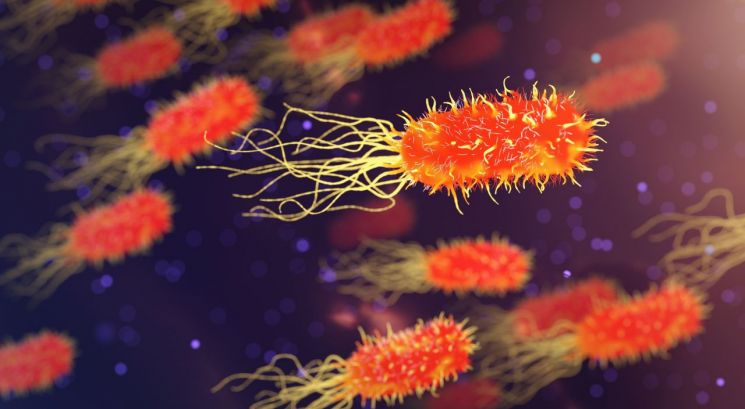
Celltrion is also advancing the development of microbiome therapeutics, another promising modality. The term microbiome is a portmanteau of microbe and biome, referring to the trillions of microorganisms and their genes residing in the human body. It is known that a 70 kg adult carries about 38 trillion microbes inside their body. Various diseases such as psoriasis, gastroesophageal reflux disease, obesity, colitis, and cardiovascular diseases have been linked to individual microbiomes, leading to new approaches aimed at curing diseases through microbiome modulation.
Accordingly, on the 17th, Celltrion signed a joint research and development agreement for a microbiome-based Parkinson's disease therapeutic with Rescue BioSciences, a domestic microbiome new drug development company. Earlier, in March last year, Celltrion also entered into a joint research and development agreement with GobioLab to develop microbiome-based treatments for irritable bowel syndrome and atopic dermatitis. Through such diverse open innovation collaborations with domestic biotechs, Celltrion plans to develop various microbiome therapeutics.
In January, Celltrion also initiated collaboration with the US biotech company Rani Therapeutics to develop oral antibody therapeutics. Using a capsule platform technology that converts existing intravenous (IV) or subcutaneous (SC) injectable drugs into oral forms, they plan to jointly develop an oral form of 'ustekinumab.' Ustekinumab's original drug is 'Stelara,' developed by Janssen (a Johnson & Johnson subsidiary), used to treat autoimmune diseases such as psoriasis, arthritis, Crohn's disease, and ulcerative colitis. The substance patent expires in the US this September and in Europe in July 2024, opening the biosimilar market and triggering fierce competition in biosimilar development. Furthermore, Celltrion plans to expand this technology as a drug delivery system (DDS) across its entire product pipeline.
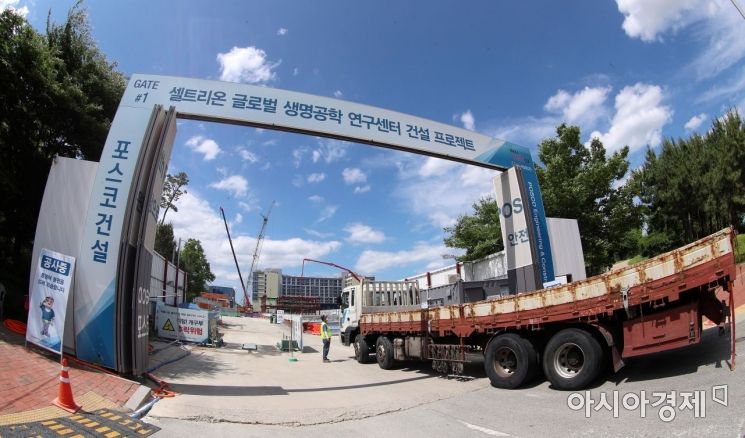 Construction site view of Celltrion Global Biotechnology Research Center. / Incheon = Photo by Kim Hyun-min kimhyun81@
To accelerate securing new growth engines through such research and development (R&D), Celltrion plans to complete the Global Biotechnology Research Center this year. The center will be built on a 10,033㎡ site, with one basement floor and six above-ground floors, serving as a large-scale one-stop research center integrating R&D, process development, and clinical trials. Occupancy will begin in April, with over 300 specialized research and development staff in bio and chemical fields expected to work there. The company aims to establish this center as a core base to enhance research and development capabilities not only for new drug development but also for its entire pipeline in the future.
© The Asia Business Daily(www.asiae.co.kr). All rights reserved.














