Coffee Withdrawal Symptoms Relieved with Decaffeinated Coffee
Can Help When Trying to Quit Caffeine
Caffeine Should Be Gradually Reduced Over 1-2 Weeks
A study has found that caffeine-free decaffeinated coffee helps alleviate coffee withdrawal symptoms such as headaches, fatigue, and indigestion.
According to foreign media including Medical Express on the 16th, Dr. Ryu Mills and his research team at the University of Sydney's Addiction Medicine Department in Australia announced research results showing that coffee withdrawal symptoms can be relieved with decaffeinated coffee.
Coffee can be replaced with 'decaffeinated coffee'
The researchers conducted an experiment on 61 people who drank more than three cups of coffee a day.
They prohibited these participants from drinking coffee for 24 hours, then investigated withdrawal symptoms after 24 hours and divided them into three groups. Group A was given water, Group B was given decaffeinated coffee after being told it was decaffeinated coffee, and Group C was given decaffeinated coffee after being told it was regular coffee.
Forty-five minutes later, all participants were asked about the severity of their coffee withdrawal symptoms. As a result, Group C, who drank decaffeinated coffee believing it was regular coffee, experienced the greatest relief from coffee withdrawal symptoms.

Dr. Mills commented, "Since they drank coffee, it was expected that withdrawal symptoms would decrease, and indeed that was the outcome." This is an example of the placebo effect. The placebo effect refers to a phenomenon where patients experience actual therapeutic effects after being given a fake medicine with no active ingredients, simply because they believe it works.
Interestingly, Group B, who knew they were drinking decaffeinated coffee, also experienced a significant reduction in coffee withdrawal symptoms. This result contradicted participants' expectations that water would be the next most helpful in relieving withdrawal symptoms after regular coffee. The researchers explained this as the 'open-label placebo effect,' which means symptoms improve even when the patient knows they are taking a placebo.
The researchers explained that stimuli related to coffee, such as the taste and smell of decaffeinated coffee and the warmth of the cup, helped alleviate withdrawal symptoms even without caffeine. Dr. Mills noted, "The withdrawal symptom relief effect of decaffeinated coffee is temporary," but added, "For people trying to reduce or quit coffee, decaffeinated coffee can help resist the urge to drink coffee."
This research was published in the latest issue of the Journal of Psychopharmacology, the official journal of the British Association for Psychopharmacology.
How to overcome caffeine addiction and withdrawal symptoms
The American Psychiatric Association defines caffeine addiction as suspected if a person without physical or mental illness has consumed 250mg or more of caffeine daily recently and exhibits five or more of the following 12 symptoms.
The symptoms include: ▲restlessness ▲irritability or sensitivity ▲frequent excitability ▲insomnia ▲facial flushing ▲frequent urination or excessive urine volume ▲indigestion or other gastrointestinal disorders ▲disorganized thoughts and speech ▲muscle spasms ▲distractibility ▲inexhaustibility ▲rapid or irregular heartbeat.
Studies show that 50-75% of caffeine consumers have experienced caffeine withdrawal symptoms. Withdrawal symptoms occur within 12 to 24 hours after stopping caffeine intake, worsen within 1 to 2 days, and disappear after about a week. Symptoms can include headaches, fatigue, nausea, drowsiness, muscle pain, and feelings of depression or irritability.
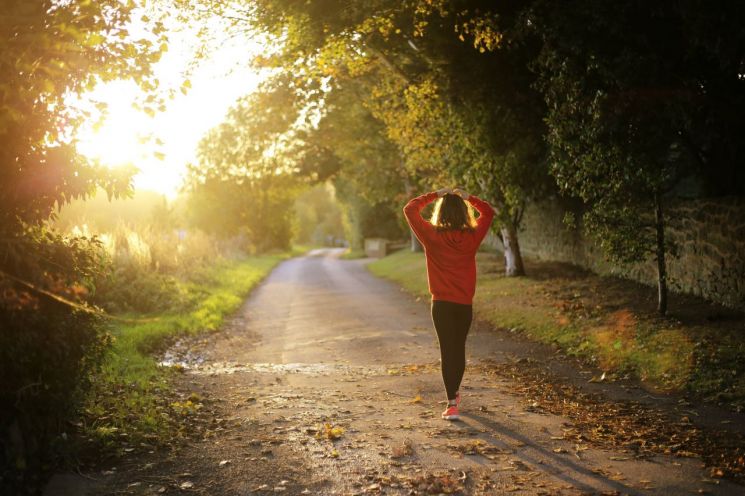
It is recommended not to stop caffeine abruptly but to gradually reduce caffeine intake over 1 to 2 weeks. As previous research suggests, using decaffeinated beverages during the process of reducing caffeine can be a good method.
Additionally, informing those around you about your intention to overcome caffeine addiction can help receive appropriate support. Instead of drinking coffee, engaging in exercise or walking, and developing a habit of checking caffeine content in foods can also be helpful.
© The Asia Business Daily(www.asiae.co.kr). All rights reserved.


















