The Controversial Daejeon Station Area, Is It Finally Within Reach... Which Complex Will Lead the Development Benefits?
The area around Daejeon Station has been attracting increasing attention in real estate as it has been consecutively selected for government national projects.
Currently, Daejeon Station, with an average daily ridership of 50,000, plays a central role in regional transportation. It is the section with the highest traffic volume within Daejeon city, and various development projects are currently underway one after another.
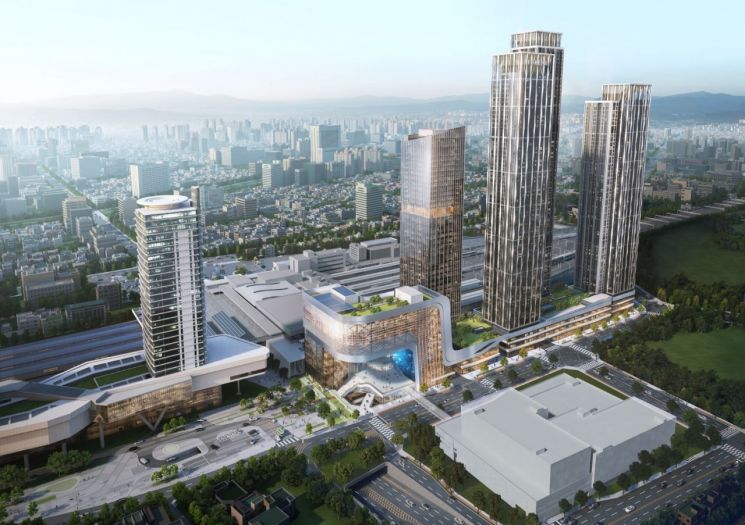
The area around Daejeon Station was selected as a target site for the Urban Regeneration New Deal project in September 2020, aimed at renovating shantytowns and revitalizing surrounding commercial districts. In October of the same year, it was designated as an Innovation City, focusing on attracting public institutions with strong ties to local industries. Subsequently, in 2021, it was designated as a downtown convergence special zone project area to establish complex infrastructure including housing, transportation, industry, and culture.
An official from Daejeon City stated, “Since various development projects are being promoted simultaneously centered on Daejeon Station, we plan to enhance project connectivity to maximize synergy effects,” adding, “We will do our best to transform it into a leading model of national balanced development beyond simple revitalization of the old downtown.”
One of the reasons why the development projects around Daejeon Station are receiving attention is that the largest scale of project investment since the launch of Daejeon City is expected to be concentrated here, and the local government is in charge of the promotion, ensuring systematic and stable project management. The high reliability of local government-led projects is due to the recent success case of Pangyo Techno Valley.
Pangyo Techno Valley emerged as Korea’s Silicon Valley within about five years after its full-scale operation began, thanks to active administrative, financial, and institutional support from the government and local authorities. Moreover, rather than one-time support, continuous management has expanded the project to the second and third Pangyo Techno Valleys.
Given this situation, the future value of the area around Daejeon Station is highly anticipated. DL Construction’s ‘e-Pyeonhansesang Daejeon Station Centum Vista’ is located within walking distance of Daejeon Station, making it a transit-oriented complex that is attracting attention as a beneficiary of the Daejeon Station area development.
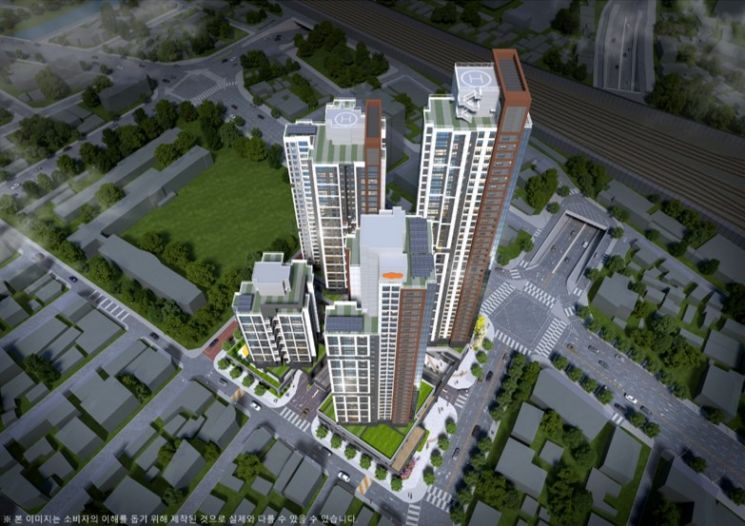
e-Pyeonhansesang Daejeon Station Centum Vista is located in the Samsung-dong area of Dong-gu, Daejeon Metropolitan City. It consists of 4 buildings ranging from 5 basement floors to a maximum of 39 floors above ground, with 400 apartment units and 25 officetel units. Both apartments and officetels are supplied in the highly preferred exclusive area of 84㎡. The complex also includes commercial spaces, allowing for a one-stop lifestyle.
The complex is currently accepting contracts on a first-come, first-served basis. Anyone aged 19 or older can sign a contract regardless of residence area, home ownership status, or subscription savings account ownership, whether they are the head of household or a household member. Buyers can directly select their desired building and unit number, and for types without competition, the purchase rights are not counted as owned housing, allowing buyers to maintain a non-homeowner status for other housing subscriptions.
To assist real demand buyers who face increased loan burdens due to recent sharp interest rate hikes, a ‘Zero Financial Burden Plan’ has been prepared. First, the usual 60% interim payment rate has been reduced to 20%, minimizing the loan ratio burden. Interest-free benefits on interim payments are also provided, reducing risks related to rising interest rates.
For those who cannot obtain loans or self-employed individuals who face relatively strict loan conditions, only 10% of the contract deposit and 2% of the first interim payment are required, and the remaining amount can be deferred without late fees until move-in, alleviating concerns about loans. Additionally, resale of the purchase rights before move-in is also possible.
© The Asia Business Daily(www.asiae.co.kr). All rights reserved.


















