[Asia Economy (Yongin) = Reporter Lee Young-gyu] Yongin City in Gyeonggi Province has urgently allocated 3.4 billion KRW for heating expenses to support low-income vulnerable groups and will provide 200,000 KRW in cash per household within this month. The beneficiaries are 17,000 households receiving the National Basic Livelihood Security and the near-poverty class in Yongin.
The Yongin City Council will also pass the "Yongin City Low-Income Resident Life Stability Support Ordinance (draft)" at the plenary session of the 270th temporary city council meeting to be held on the 9th, establishing the legal basis.
Mayor Lee Sang-il of Yongin promised, "We will provide support as quickly as possible to alleviate the difficulties faced by citizens experiencing hardship."
The mayor added, "Initially, the working-level staff proposed an emergency support of 100,000 KRW, but considering the severe suffering of the National Basic Livelihood Security recipients and the near-poverty class, we judged that it was right to support twice the original amount."
The decision to urgently support heating expenses in Yongin reflects Mayor Lee Sang-il’s administrative philosophy that unnecessary budgets should be saved and used only where truly needed.
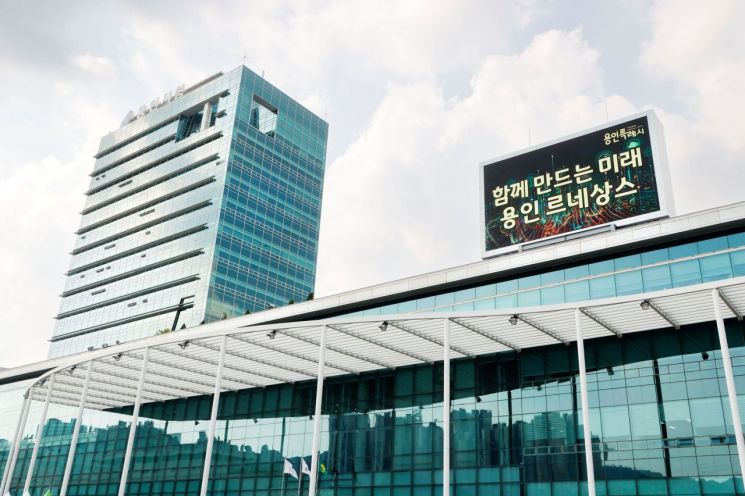
This philosophy is also evident in the city's ongoing "Public Institution Building Energy Saving Campaign," which started in November last year.
Through this campaign, the city saved 130 million KRW in electricity bills during November last year.
Public buildings under Yongin City, including the Cultural Welfare Administrative Town where five institutions are gathered, three district offices, Giheung District Health Center, Agricultural Technology Center, and Yongin Urban Corporation, totaling 92 public offices, participated by maintaining indoor heating temperatures below 17℃ and refraining from using personal heating devices during working hours.
The city designated and operated "Energy Guardians" for each facility to check for energy waste factors. Indoor lighting was reduced by about 30% compared to usual, and during peak electricity hours, it was reduced by up to 50%.
The mayor himself works with 16 lights turned off in his office.
Mayor Lee said, "We will minimize energy waste to respond to climate change and use the budget saved through such efforts to help vulnerable groups and invest in work for citizens. We will continue the energy-saving campaign in public facilities going forward."
© The Asia Business Daily(www.asiae.co.kr). All rights reserved.

















