Hampyeong Natural Ecology Park and Amphibian Reptile Ecology Park in the Spotlight
[Asia Economy Honam Reporting Headquarters Reporter Kim Chunsu] As the Hampyeong Natural Ecology Park and Amphibian and Reptile Ecology Park pass the beginning of spring, animals that had been hibernating are waking up one by one, drawing attention as ecological experience attractions ahead of the season.
According to the county on the 6th, Hampyeong Natural Ecology Park and Amphibian and Reptile Ecology Park are representative tourist destinations of Hampyeong-gun, operated annually with popularity among visitors, located in the Daedong-myeon and Singwang-myeon areas.
In particular, they are popular among family visitors with children as they preserve and nurture various endangered animals and plants, and offer exhibition viewing and ecological experiences.
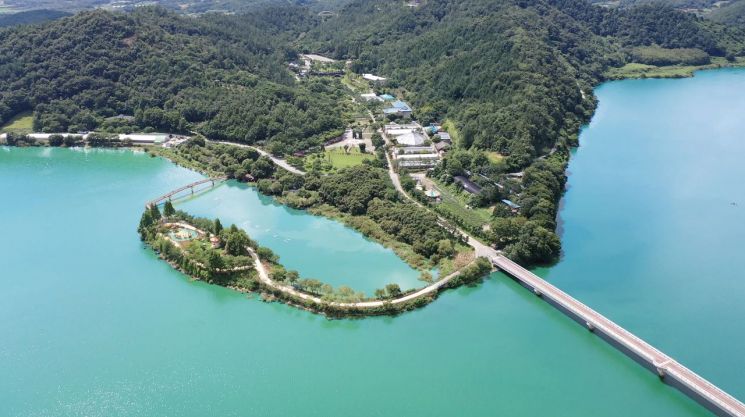
Hampyeong Natural Ecology Park is largely composed of three areas: Natural Ecology Park, Amphibian and Reptile Ecology Park, and Daedongje Ecology Park, each with a different theme.
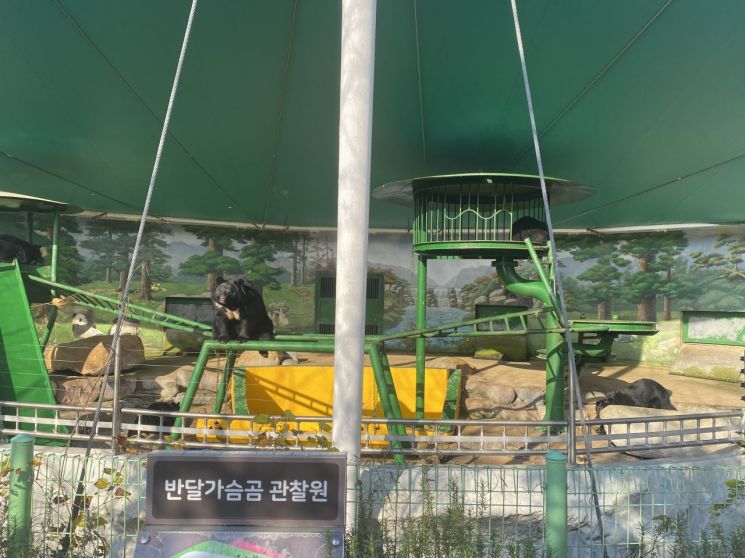
The Natural Ecology Park was created on a 560,000㎡ site with the goals of ‘preserving a pleasant natural environment’ and ‘preserving and nurturing various endangered animals and plants.’ It is equipped with a Natural Ecology Science Center, Multipurpose Exhibition Hall, Greenhouse Exhibition Hall, Asiatic Black Bear Observation Center, Aquatic Insect Observation and Learning Area, and Native Flower Ecology Learning Area.
Among these, the Asiatic Black Bear Observation Center is popular as it allows constant viewing of the Asiatic black bears (11 bears currently raised), which are internationally classified as critically endangered wild animals and designated as Natural Monument No. 329. The breeding of Asiatic black bears contributes to global public interest values by enabling learning and academic study through observation of rare species and emphasizing their rarity.
The Amphibian and Reptile Ecology Park is the only amphibian and reptile zoo in Korea, serving as an ecological learning site where visitors can see distinctive species such as snakes and crocodiles. It includes a Crocodile and Anaconda Pavilion, Ecological Exhibition Hall, and Turtle Pavilion.
Currently, 411 amphibians and reptiles of 100 species (56 snakes, 188 other reptiles, 104 amphibians, and 63 herbivores) are exhibited, and 62 individuals of 33 species classified as endangered levels 1, 2, and 3 can be seen in one place.
Representative species include Siamese crocodile, Wolf turtle, Myanmar python, Sumatran king lizard, Crested gecko, and Fat-tailed gecko.
County Governor Lee Sang-ik said, “We hope families and friends will come for a spring outing to Hampyeong Natural Ecology Park and Amphibian and Reptile Ecology Park, where the pristine natural environment harmonizes, enjoy ecological experiences, stroll through the parks, and fully enjoy spring.”
© The Asia Business Daily(www.asiae.co.kr). All rights reserved.
![Clutching a Stolen Dior Bag, Saying "I Hate Being Poor but Real"... The Grotesque Con of a "Human Knockoff" [Slate]](https://cwcontent.asiae.co.kr/asiaresize/183/2026021902243444107_1771435474.jpg)












