Wearing Masks Despite Indoor Mandate Lift
NYT: "Out of Habit and Consideration for Others"
"Also Reduces Social Pressure on Appearance and Looks"
Despite the government easing the indoor mask-wearing mandate, a survey revealed that more than half of the population still intends to continue wearing masks.
Previously, the quarantine authorities lifted the indoor mask mandate from the 30th of last month, except for certain places such as public transportation. Although most indoor spaces no longer impose fines for not wearing masks, masks remain mandatory in medical institutions, pharmacies, vulnerable infection facilities, and public transportation. However, the majority of citizens still wear masks both indoors and outdoors.
Even after lifting the indoor mask mandate, 7 out of 10 say "I will continue wearing it"
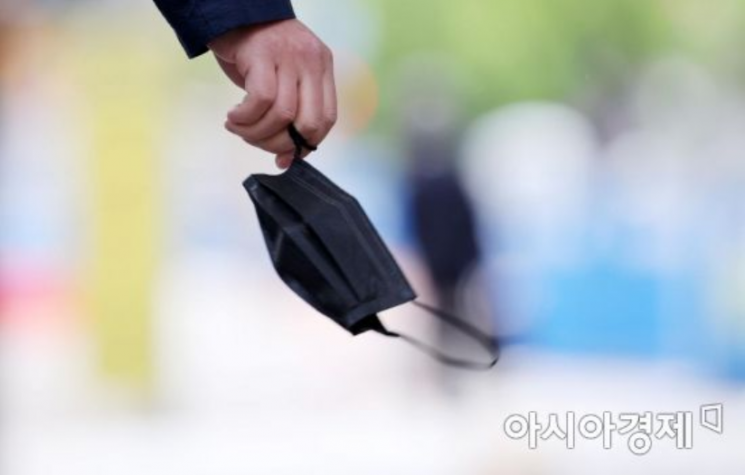
A survey conducted by Gallup Korea from the 31st of last month to the 2nd of this month, targeting 1,001 men and women aged 18 and older nationwide, found that 57% of respondents considered the lifting of the indoor mask mandate "appropriate." Meanwhile, 36% evaluated it as "inappropriate."
When asked about their future intention to wear masks indoors, 71% of respondents said they would "continue wearing them."
Only 26% responded that they would "not wear" masks.
Among those who considered the lifting of the mandate appropriate, 55% said they would "continue wearing masks indoors" going forward.
The margin of error for this survey is ±3.1 percentage points at a 95% confidence level. It was conducted via telephone interviews, with 95% wireless and 5% landline calls, and the response rate was 8.7%. For more details, please refer to the Central Election Survey Deliberation Commission website.
Why do Koreans continue to wear masks? ... Reasons analyzed by the NYT
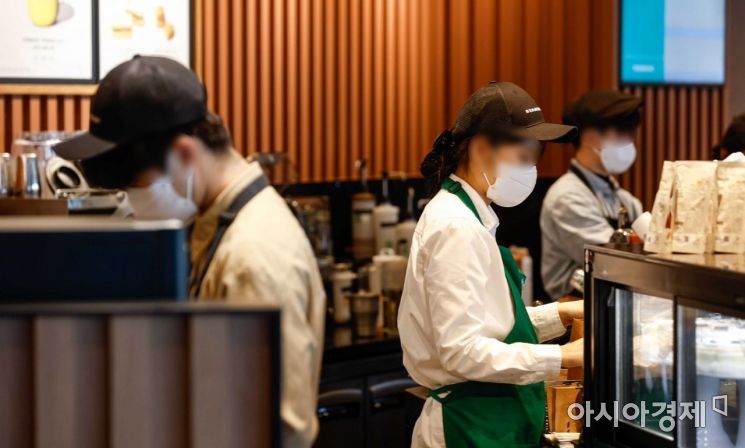 On the 31st of last month, when the indoor mask mandate was lifted, an employee at a cafe in Seoul is wearing a mask. Photo by Jinhyung Kang aymsdream@
In this regard, the American daily The New York Times (NYT) highlighted the reasons why Koreans and Japanese people still wear masks in an article titled "Why Asians Still Wear Masks," published on the 1st (local time).
The media cited the following reasons for continued mask-wearing: ▲ mask-wearing has become a habit and is difficult to change, ▲ health authorities still recommend wearing masks, ▲ masks are regarded as a consideration for others, and ▲ masks provide protection against air pollution such as fine dust.
There was also an analysis that in Korea and Japan, people prefer wearing masks because it eliminates the need to wear makeup or manage facial expressions such as smiling.
Korean cultural researcher Kim Sang-min said, "Masks have relieved many Koreans from the social pressure to maintain facial beauty," adding, "People feel comfortable with their faces being covered and feel some discomfort in revealing their bare faces."
Additionally, the media reported that masks are worn continuously because they are effective in protecting against air pollution such as fine dust. The NYT stated, "East Asia's fine dust levels have failed to meet international air quality standards for years, and people have long been accustomed to wearing masks to protect themselves from the harmful effects of air pollution on health."
Indoor masks removed, but... quarantine situation remains stable
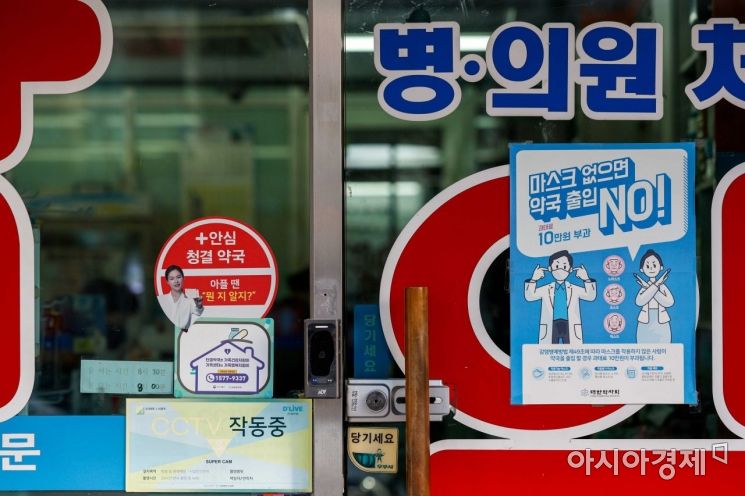 On the 30th of last month, when indoor mask-wearing was changed from mandatory to recommended except in some facilities, a notice regarding mask-wearing upon entry was posted at a pharmacy in Seoul. Photo by Jinhyung Kang aymsdream@
Meanwhile, the government announced that the COVID-19 quarantine situation has generally remained stable even after the Lunar New Year holiday and the adjustment of the indoor mask-wearing mandate.
On the 3rd, Park Min-su, the 1st General Coordinator of the Central Disaster and Safety Countermeasures Headquarters (Vice Minister of Health and Welfare), stated at the Central Disaster and Safety Countermeasures Headquarters meeting, "Among 286 short-term entrants from China yesterday, 5 tested positive, resulting in a positivity rate of 1.7%," adding, "Despite the Lunar New Year holiday and the adjustment of the indoor mask mandate, the quarantine situation is generally stable."
However, he said, "The World Health Organization's decision this week to maintain the international public health emergency means it is not yet time to lower our guard," and added, "The government will continue to operate the quarantine and medical response system without gaps, including monitoring new variants, blocking overseas inflows, and managing treatment beds."
© The Asia Business Daily(www.asiae.co.kr). All rights reserved.



















