Population Changes Intensify Across 10 Districts Since 2003 Economic Free Zone Designation
[Asia Economy Reporter Park Hyesook] A plan is being promoted to relocate public offices and cultural, sports, welfare, and environmental facilities in Incheon to locations more convenient for citizens to use.
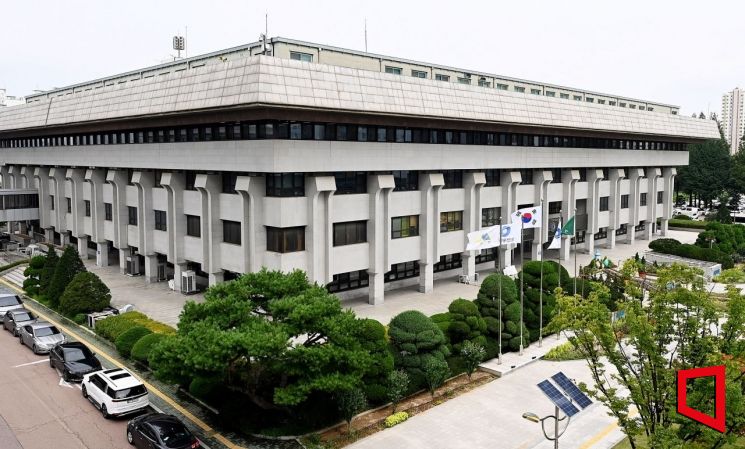
Incheon City announced on the 1st that it has launched a "Public Facility Status Survey and Relocation Plan Establishment Service."
In this service, the city plans to conduct a status survey of 208 public facilities owned by the city, including public offices, cultural, sports, welfare, and environmental facilities, and then develop a relocation plan to resolve operational inefficiencies and enhance citizen convenience.
In particular, the necessity of relocation will be carefully reviewed focusing on facilities for women, the elderly, and the disabled, which have consistently raised accessibility issues.
The city views that since the designation of the Free Economic Zone in 2003, population changes in the 10 districts have been significant, necessitating the relocation of public facilities.
Bupyeong-gu, which had the largest population in 2005, decreased from 560,000 to 480,000 in 2021, a reduction of about 80,000, and Gyeyang-gu also dropped from 330,000 to 290,000 during the same period, falling below 300,000.
On the other hand, Jung-gu, Yeonsu-gu, and Seo-gu, where the Free Economic Zone is located, show a population increase of over 50% compared to 2005.
Reflecting the future population projections in the 2040 Incheon Urban Master Plan, this increase and decrease are expected to widen further. Until now, public facility construction projects, which were promoted in a uniform hub-based manner by district for various government and Incheon City policy initiatives, also require change.
The city plans to complete the service by the end of October and establish short-, medium-, and long-term plans to be implemented step-by-step starting next year.
An Incheon City official stated, "There has been much public opinion about the inconvenience of using public facilities or institutions," and added, "We will carefully review the population structure by region and the target users of public facilities to devise measures that improve efficiency so that more citizens can use them conveniently."
© The Asia Business Daily(www.asiae.co.kr). All rights reserved.

















