China January Home Sales Plunge 32.5%
US Home Prices Also Fall for 5 Consecutive Months
[Asia Economy Reporter Kwon Haeyoung] The housing market downturn continues in major countries such as the United States and China. With high-intensity tightening by central banks including the U.S. Federal Reserve (Fed), the global real estate market has weakened, raising concerns that it could become an obstacle to the global economic recovery. In particular, China's real estate sector is seen as a wild card.
On the 1st (local time), Bloomberg reported, citing China Real Estate Information Corporation, that new home sales in China in January this year fell by 32.5% compared to the same period last year.
The Chinese government has been rolling out various real estate stimulus measures such as deregulation and financial support, but no improvement in indicators has been confirmed. Last year, real estate investment in China was 13.29 trillion yuan (approximately 2400 trillion won), down 10% from the previous year. This was the first decline in real estate investment in 23 years since 1999. Despite the Chinese authorities' strenuous efforts to revive the real estate market, the frozen real estate buying sentiment has not revived at all.
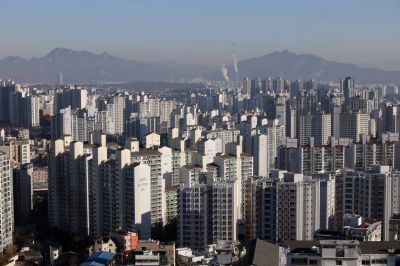
The U.S. real estate market has also entered a recession phase. The S&P CoreLogic Case-Shiller National Home Price Index for November, unadjusted for seasonality, fell 0.3% from the previous month. This marks the fifth consecutive month of decline and is 2.5 percentage points lower than in June, when the index peaked.
Signs of real estate downturn are also evident in other countries. In New Zealand, housing prices in Wellington and Auckland fell 18.1% and 8.2%, respectively, compared to a year ago. Experts expect house prices in 2024 to drop by more than 20% from the peak at the end of 2021. Singapore has not escaped the housing market slump either. In the fourth quarter of last year, Singapore's housing price growth rate fell to 0.4%, the lowest in two years. Housing sales in December last year also dropped to the lowest level in 14 years.
The main cause of the global real estate market downturn is the interest rate hikes. Massive liquidity released into the market after COVID-19 pushed up housing prices, but since last year, as the Fed began full-scale interest rate hikes and recession concerns deepened, prices have been falling.
Experts are voicing concerns about the downturn in China's real estate market. They judge that the decline in real estate sales and investment poses a high risk of spreading to the insolvency of real estate companies.
China's real estate developer Evergrande Group has already fallen into a default situation. If Evergrande declares bankruptcy, a major adverse event, the shock could spread not only to China's real estate and financial markets but also to global markets. According to the International Monetary Fund (IMF), 45% of Chinese real estate developers cannot repay their debts with profits, and 20% of these companies face bankruptcy risk if they revalue their inventory assets at recent market prices. Furthermore, the IMF raised its forecast for China's economic growth rate from 4.4% to 5.2% by 0.8 percentage points yesterday, while warning that the crisis in the real estate sector could worsen.
Bloomberg diagnosed, "High interest rates are eroding household finances and are likely to worsen price declines," adding, "The contraction of the real estate market is creating another risk for the global economy."
© The Asia Business Daily(www.asiae.co.kr). All rights reserved.

















