[Asia Economy Reporter Kim Daehyun] Executives of pharmaceutical and distribution companies who were prosecuted for collusion during the National Immunization Program (NIP) bidding process were sentenced to fines in the first trial.
On the afternoon of the 1st, the Criminal Division 25-3 of the Seoul Central District Court (Presiding Judges Park Sarang, Park Jeonggil, Park Jeongje) sentenced SK Discovery and Kwangdong Pharmaceutical to fines of 30 million won each, Boryung Biopharma and Yuhan Corporation to fines of 50 million won each, and Green Cross and GlaxoSmithKline to fines of 70 million won each for violations of the Fair Trade Act and bid rigging. Seven executives from each company were fined between 3 million and 5 million won.
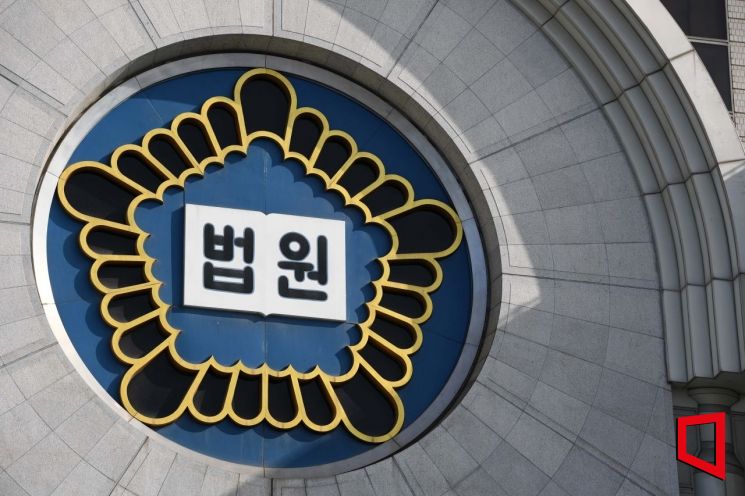
The court stated, "This is a crime concerning public interest that damages the fairness of the vaccine bidding process under the National Immunization Support Project, undermining fair price formation and the national crisis management system," and pointed out, "The crime was committed multiple times through continuous collusion among manufacturers and distributors who effectively monopolize supply. The resulting sales amount is also expected to be substantial."
However, it added, "Considering that the overall amount of unfair profits obtained by the defendants was not large due to the formation of bid prices through government-provided bidding price guidelines, and that the possibility of other companies winning the bids was significantly low."
Earlier, they were prosecuted on charges of making excessive profits through collusion by setting up so-called 'dummy companies' while participating in bids for government-ordered vaccines such as the cervical cancer vaccine. Most of the companies denied the charges during the trial, arguing that "there was no competition in the bidding process itself, and the joint actions did not cause unfair competition restrictions." They also claimed that "the Korea Disease Control and Prevention Agency (now the Korea Disease Control and Prevention Administration) requested the establishment of dummy companies to prevent bid failures at the time."
The court said, "It seems true that the bidding parties recognized the high likelihood that the defendants' joint sales companies would win the bids. However, they also seemed to recognize that other distributors could participate," and pointed out, "It cannot be said that the defendants' joint actions did not unfairly influence the proper price formation process."
Furthermore, it added, "Looking at past cases, although it was not common for unit prices to decrease through private contracts, the possibility of price changes was not entirely absent," and "Even if it was due to administrative guidance from the Korea Disease Control and Prevention Agency at the time, the defendants' joint actions cannot be justified."
© The Asia Business Daily(www.asiae.co.kr). All rights reserved.

















