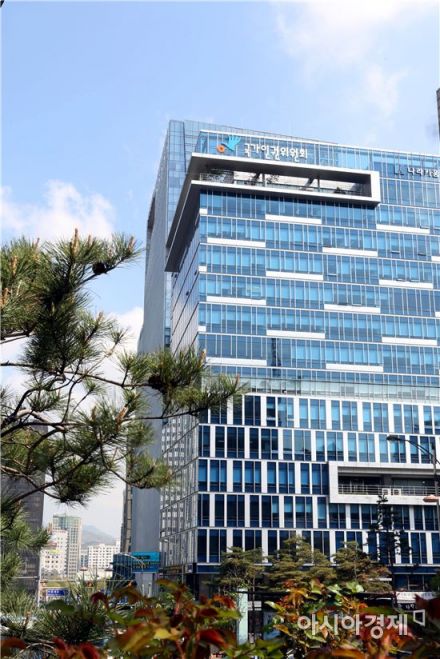
[Asia Economy Reporter Seongpil Cho] The National Human Rights Commission of Korea announced on the 31st that it has recommended the Speaker of the National Assembly to define 'self-neglect' as a type of elder abuse in the 'Act on the Protection and Support of Elderly Abuse Victims' (Elder Abuse Victims Act), which is currently pending in the National Assembly.
Self-neglect includes acts such as an elderly person refusing medical treatment or medication, refusing to seek help in dangerous situations, or rejecting essential necessities for survival such as food, clothing, and shelter. It also covers cases where refusal of care in a state of physical or mental incapacity threatens life, substance or alcohol abuse, and suicide attempts.
According to the Korea Institute for Health and Social Affairs, self-neglect accounted for only 1% of elder abuse reports in 2005 but surged to 10.1% in 2015. The Human Rights Commission pointed out that "self-neglect is a new type of elder abuse, such as cases where isolated elderly people living alone or disconnected from the community lead to 'lonely deaths'."
Accordingly, the Human Rights Commission recommended to the Speaker of the National Assembly to include provisions in the Elder Abuse Victims Act that mandate the operation of an 'Elder Human Rights Guardian Group' to strengthen external monitoring of elderly medical welfare facilities. It also requested the consolidation of scattered regulations, including current provisions of the Elderly Welfare Act and proposed amendments to the Elderly Welfare Act in the National Assembly, into a single Elder Abuse Victims Act.
© The Asia Business Daily(www.asiae.co.kr). All rights reserved.

















