[Asia Economy Reporter Yujin Cho] The $160 billion (approximately 196.5 trillion KRW) global memory market is suffering from a sharp price drop due to a combination of soaring inventory and decreased demand caused by an economic downturn.
On the 30th (local time), Bloomberg reported that the memory semiconductor industry, which had high expectations following the COVID-19 pandemic and the emergence of 5G and the cloud market, is now facing the worst recession in history.
As major memory companies engage in a chicken game where they incur losses every time they produce semiconductors, the combined operating losses of the top three memory companies, including Samsung Electronics, are expected to reach a record high of $5 billion this year.
Inventory, a key indicator of memory demand, has reportedly increased more than threefold, reaching a historic high equivalent to 3 to 4 months' worth of supply.
The industry explained to the news agency that the unprecedented recession is due to a complex combination of factors including the end of the pandemic, the Ukraine war, the highest inflation in 40 years, and supply chain disruptions.
U.S. semiconductor company Micron is reducing production and cutting budgets for new factory construction and equipment in response to plummeting demand.
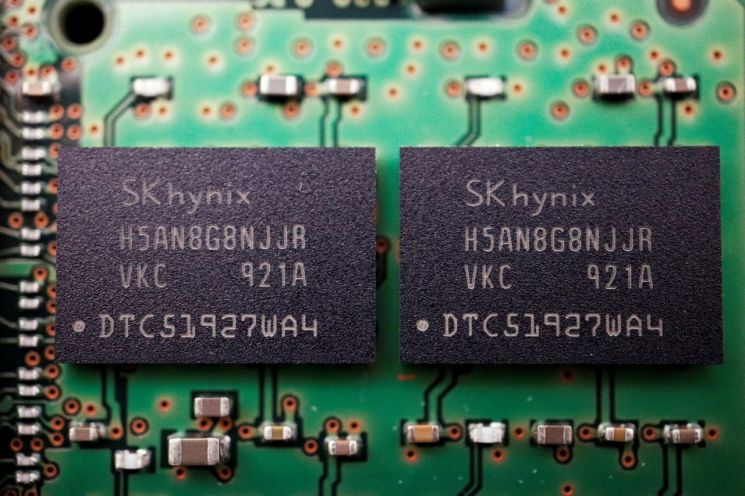
SK Hynix, which saw increased inventory due to acquisitions such as Intel's flash memory division before this downturn, is also cutting both investment and production.
Samsung Electronics, the leader in the memory chip sector, has various business divisions including semiconductors, displays, smartphones, and home appliances, so it is expected to be relatively less affected than the other two companies; however, losses in its semiconductor division are inevitable.
In particular, market attention is focused on what plans Samsung Electronics, which has not previously commented on short-term semiconductor market conditions, will announce regarding future production during this earnings report.
Samsung Electronics has traditionally continued investing even during economic downturns to seize the market when recovery occurs, but Bloomberg predicts this time will be different.
Meanwhile, Bloomberg added that despite the worsening industry conditions, the market expects that China's easing of COVID-19 related restrictions will act as a catalyst for escaping the memory market recession.
© The Asia Business Daily(www.asiae.co.kr). All rights reserved.

















