America's First Meal Kit Delivery Startup
Falls Below $1, Becoming a 'Dongjeonju'
Streaming and Personal Styling Services Also Fade
[Asia Economy Reporter Haeyoung Kwon] Industries that enjoyed a pandemic boom, such as grocery delivery, meal kit companies, and streaming services, are now on the decline due to the subsiding of COVID-19, inflation, and recession concerns. The Wall Street Journal (WSJ) reported that the "nice-to-have" economy is fading.
On the 29th (local time), WSJ reported, "Consumers are controlling their spending on luxury and convenience items that they purchased during the pandemic."
Food delivery services and meal kit companies, which soared due to large-scale lockdowns making dining out impossible after the outbreak of COVID-19, are particularly hard hit. Freshly prepared meal delivery service Freshly in the U.S. is a representative example. Swiss food company Nestl? acquired Freshly for $950 million in 2020, and during the peak of COVID-19, Freshly delivered over one million ready meals weekly. However, it recently announced the suspension of its delivery service. Nestl? explained that changes in consumer demand were the cause.
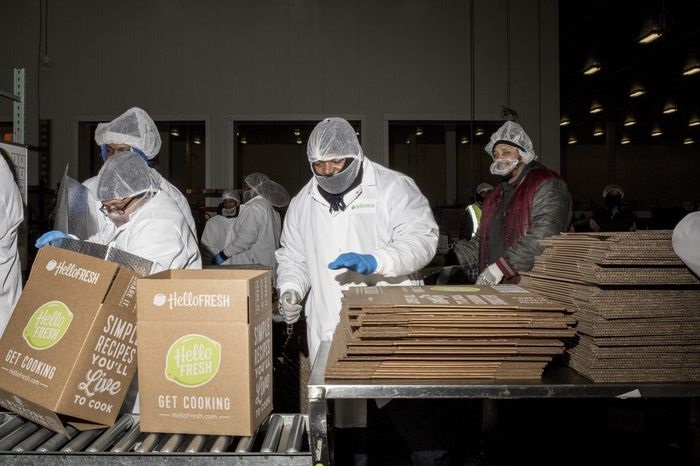
Blue Apron, a startup that launched the first meal kit delivery service in the U.S., has fallen to a penny stock (stock priced under $1). So-called "coin stocks." Meal kits, which provide prepped ingredients, seasonings, and recipes as a set, sold like wildfire to Americans cooking at home due to the spread of COVID-19. However, as the pandemic wanes, product demand has decreased, valuation has plummeted, and the company faces delisting from the New York Stock Exchange.
Instant grocery delivery startup Byke also filed for bankruptcy in March last year, and Jokr closed its U.S. operations in June. Delivery startup Gorillas was sold to competitor Getir in December last year.
Ben Wyncup, a strategist at consulting firm Blue Yonder, said, "Many meal kit startups fail to recognize that consumers want more and believe they can maintain their existing market share," adding, "They will face much greater difficulties than companies that have already experienced supply chain instability and ingredient price fluctuations."
Streaming services like Netflix and Disney Plus, which benefited from the pandemic boom, are also experiencing deteriorating performance. Online styling service Stitch Fix saw its stock peak in early 2021 and has since fallen 95%. The CEO stepped down, and the company decided to cut employee salaries by 20%. Stitch Fix expects sales to decline over the next two years as consumers restructure their spending priorities.
U.S. consumers are reducing spending on the "nice-to-have" economy because in-person service industries have revived as the pandemic ends. Additionally, soaring inflation and accelerating recession fears have reduced consumers' purchasing power, leading them to cut spending on the nice-to-have economy, WSJ analyzed. In other words, industries that are "nice to have but not essential" are declining.
WSJ analyzed, "(Consumers) are dividing their budgets," and "the decline of the nice-to-have economy may vary depending on the intensity and depth of the upcoming recession."
© The Asia Business Daily(www.asiae.co.kr). All rights reserved.

















