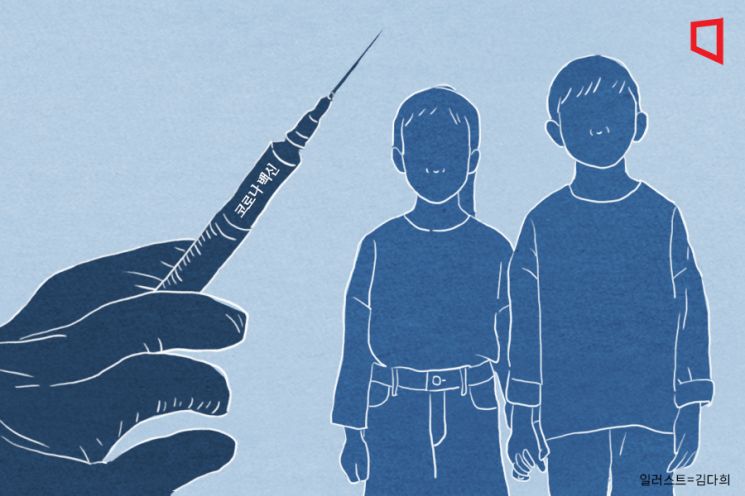
[Asia Economy Reporter Byun Seon-jin] Infants and toddlers aged 6 months to 4 years will be able to receive COVID-19 vaccinations starting from the 13th of next month.
The COVID-19 Vaccination Response Promotion Team (Promotion Team) announced on the 27th that, in response to the continued winter resurgence and the emergence of new variants, COVID-19 vaccinations will be administered to infants and toddlers to prepare for severe illness and death among high-risk groups with weakened immunity or underlying conditions. This expands the COVID-19 vaccination target group from those aged 5 and older to include infants and toddlers.
Pre-booking will begin on the 30th, with same-day vaccinations available on the 13th of next month and appointment vaccinations on the 20th. Vaccination sites can be checked on the COVID-19 vaccination website starting from the 30th. A guardian or legal representative must accompany the infant or toddler during vaccination.
The COVID-19 vaccination implementation plan for infants and toddlers was finalized after consultations with pediatric and adolescent experts on the 12th, followed by expert consultations in the COVID-19 vaccine field on the 16th, and review by the Vaccination Expert Committee on the 19th. The vaccine used will be Pfizer’s 'Comirnaty 0.1 mg/mL (Tozinameran)', which was conditionally approved by the Ministry of Food and Drug Safety last November and introduced domestically on the 12th of this month.
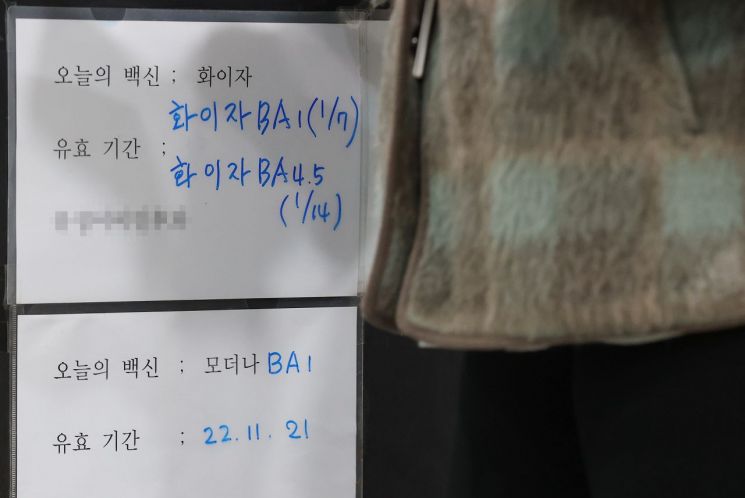
The Promotion Team targets infants and toddlers aged 6 months to 4 years and strongly recommends vaccination for high-risk groups with a high risk of severe illness or death. Using the Pfizer vaccine for infants and toddlers, three primary doses will be administered at intervals of 8 weeks (56 days) for the 1st, 2nd, and 3rd doses.
The Promotion Team explained that although infants and toddlers have a lower risk of severe illness or death from COVID-19 compared to adults, their risk is higher than that of children aged 5?11 and adolescents aged 12?17. Additionally, because the time from symptom onset to death is very short, vaccination is necessary for infants and toddlers with underlying conditions.
According to the Promotion Team, among 6,678 hospitalized patients aged 17 and under due to COVID-19 from November to December last year, 51% (3,401) were aged 0?4. Since January 2020, there have been 17 cumulative deaths among 0?4-year-olds from COVID-19, which corresponds to 1.49 deaths per 100,000 confirmed cases. This is higher than the rates for ages 5?9 (1.05) and 10?19 (0.54).
The Promotion Team also analyzed the number of days from diagnosis to death for the 17 deaths among 0?4-year-olds, finding that 24% (4) died on the day of diagnosis and 100% (17) died within 6 days. Among the 0?4-year-old deaths, 17.6% (3) had underlying conditions such as anencephaly, diabetes insipidus, cancer, or autism.
The Promotion Team emphasized that the Pfizer vaccine for infants and toddlers has been verified for safety and efficacy through the Ministry of Food and Drug Safety’s approval process. It is a vaccine authorized or approved by major regulatory agencies such as the U.S. Food and Drug Administration (FDA) and the European Medicines Agency (EMA), and is currently being administered in countries including the United States, Canada, Japan, and Singapore.
According to clinical trial results involving 4,526 infants and toddlers aged 6 months to 4 years in the United States, the overall safety profile of the vaccinated group (3,013 individuals) who received three doses was similar to that of the placebo group (1,513 individuals). The most frequently reported adverse events after vaccination were injection site pain, fatigue, and fever, which were mostly mild to moderate in severity.
© The Asia Business Daily(www.asiae.co.kr). All rights reserved.


















