[Asia Economy Yeongnam Reporting Headquarters Reporter Hwang Duyul] The number of people experiencing respiratory symptoms is increasing due to inadequate ventilation in the cold winter temperatures.
Although invisible to our eyes, when living indoors in a sealed space, pollutants such as odors, bacteria, dust, and smoke naturally occur.
In particular, radon is classified as a Group 1 carcinogen by the World Health Organization and accounts for 3?14% of lung cancer cases worldwide. It is known as a major cause of lung cancer following smoking.
Research also shows that the probability of developing lung cancer caused by radon increases depending on how much radon one has inhaled over their lifetime.
Radon is a radioactive gas present everywhere on Earth?in groundwater, soil, and rocks?and indoor spaces are no exception. It enters through various routes, so thorough ventilation is necessary to prevent radon from lingering in the air.
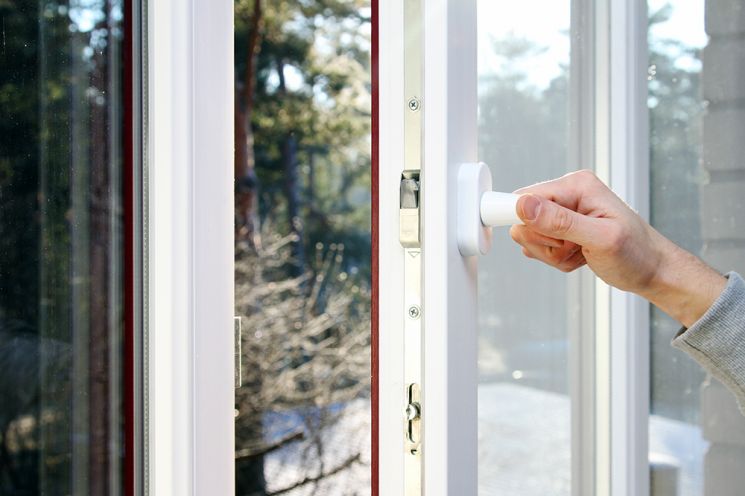
Additionally, during cold winter months like these, the likelihood of diseases caused by respiratory infections such as COVID-19 and influenza viruses increases.
If people are close together and crowded in a sealed space, the risk of infection grows even higher, making thorough ventilation even more essential.
Droplets larger than 5 μm mostly settle within 1?2 meters, but aerosols smaller than 5 μm can remain airborne for extended periods and travel over 10 meters, so indoor ventilation or supplementary air purifiers are necessary.
When cooking at home, attention is also needed for pollutants generated from ingredients or combustion processes such as grilling and frying. It is advisable to open windows and operate exhaust fans if available. Using a frying pan cover is recommended, and cooking time should be kept as short as possible.
Since pollutants generated during cooking can spread beyond the kitchen to the living room, if there are sensitive groups such as those with respiratory diseases, the elderly, or children, it is better to close doors and have them stay in separate rooms.
After finishing cooking, it is best to quickly clean up used utensils and ingredients, and ideally ventilate naturally for about 15 minutes.
Dr. Lee Gyumin, a pulmonologist at Daedong Hospital, said, “In winter, ventilation is often neglected due to heating efficiency concerns, but proper ventilation is essential for respiratory health. Even on cold or fine dust-heavy days, people should know the correct methods and maintain the habit of ventilating.”
He added, “Especially nowadays, many people do not ventilate because they have air purifiers, but they must recognize that many pollutants cannot be filtered by air purifiers.”
For proper ventilation, it is recommended to avoid times when contaminated air settles near the floor and ventilate three times between 10 a.m. and 7 p.m. at intervals of 2?3 hours, each time for at least 10 to 30 minutes.
On days with severe fine dust or yellow dust, ventilate three times for about 10 minutes each, then use the turbo function of the air purifier to circulate indoor air.
To ventilate properly, it is better to open multiple windows to create a circulation environment where air can flow in and out, rather than opening just one window.
On windless days or when indoor conditions make circulation difficult, using a fan near the window where air exits is also a good method.
Even if ventilation is frequent and indoor environments are managed, if respiratory symptoms persist, there may be other diseases, so it is important to visit a medical institution promptly for diagnosis and treatment.
© The Asia Business Daily(www.asiae.co.kr). All rights reserved.

















