Mother Who Cared for Daughter with Brain Damage for 38 Years and Killed Her
Court: "Difficult to Blame Defendant Alone"
The court showed leniency by not sentencing a mother in her 60s to prison for killing her severely disabled daughter whom she had cared for 38 years, and the prosecution unusually decided not to appeal.
According to the legal community on the 27th, the Incheon District Prosecutors' Office recently decided not to appeal the first trial verdict in which Ms. A (64) received a suspended prison sentence on charges of murder.
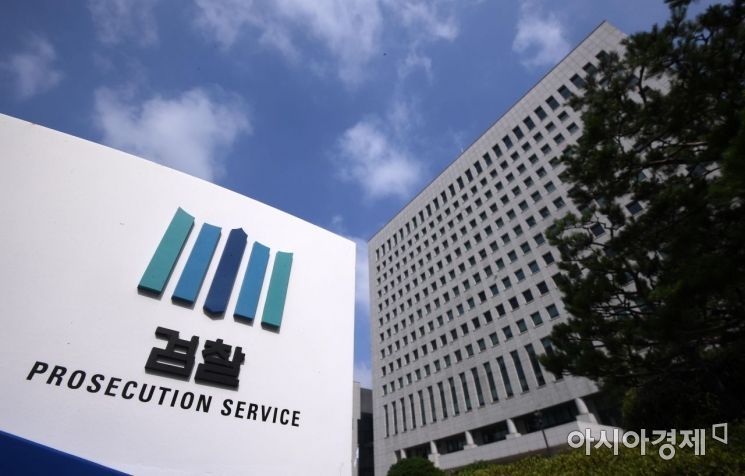 Generally, the prosecution appeals if a sentence less than half of the requested sentence is given. Since Mr. A was sentenced to 3 years in prison with a 5-year probation, according to the prosecution's own standards, this case should be appealed.
 [Photo by Asia Economy]
The appeal period for criminal cases is one week from the day after the verdict is announced, including weekends and holidays. The appeal period for Ms. A’s case, which was sentenced on the 19th, ended on the 26th.
At the sentencing hearing held last December, the prosecution had demanded a 12-year prison sentence for Ms. A. Generally, the prosecution appeals if the sentence is less than half of the demanded term. Since Ms. A was sentenced to three years in prison with a five-year suspension, according to the prosecution’s own standards, this case should have been appealed.
However, it is reported that the prosecution decided not to appeal, considering that Ms. A had long and arduously cared for her disabled daughter.
Earlier, the court also explained the reason for leniency, stating, "Families caring for disabled persons suffer solely under their own responsibility due to insufficient support from the state or society," and "It is difficult to place all the blame for this case on the defendant alone."
Ms. A was indicted without detention on suspicion of killing her daughter Ms. B, in her 30s, by giving her sleeping pills around 4:30 p.m. on May 23 last year at an apartment in Yeonsu-gu, Incheon. After the crime, she also took sleeping pills and attempted an extreme act but was found alive six hours later by her son who came to the apartment.
Ms. B was a first-degree severe brain lesion disabled person who had physical difficulties since birth and was diagnosed with stage 3 colon cancer a few months before the incident. Ms. A lived apart from her husband, who worked in another region to make a living, and cared for her daughter, who had difficulty communicating, including assisting with toileting, for 38 years.
In court, she tearfully said, "At that time, I had no strength left to endure," and "I thought, 'If I die, who will take care of my daughter? Let’s end it here.'"
© The Asia Business Daily(www.asiae.co.kr). All rights reserved.
![Clutching a Stolen Dior Bag, Saying "I Hate Being Poor but Real"... The Grotesque Con of a "Human Knockoff" [Slate]](https://cwcontent.asiae.co.kr/asiaresize/183/2026021902243444107_1771435474.jpg)
















